





The Tale of Queen Veeravati
The story, passed down through generations, is a captivating and cautionary one. Veeravati was a beautiful queen and the only sister to seven loving brothers. During her first Karwa Chauth at her parents' home, she observed the strict fast from sunrise.
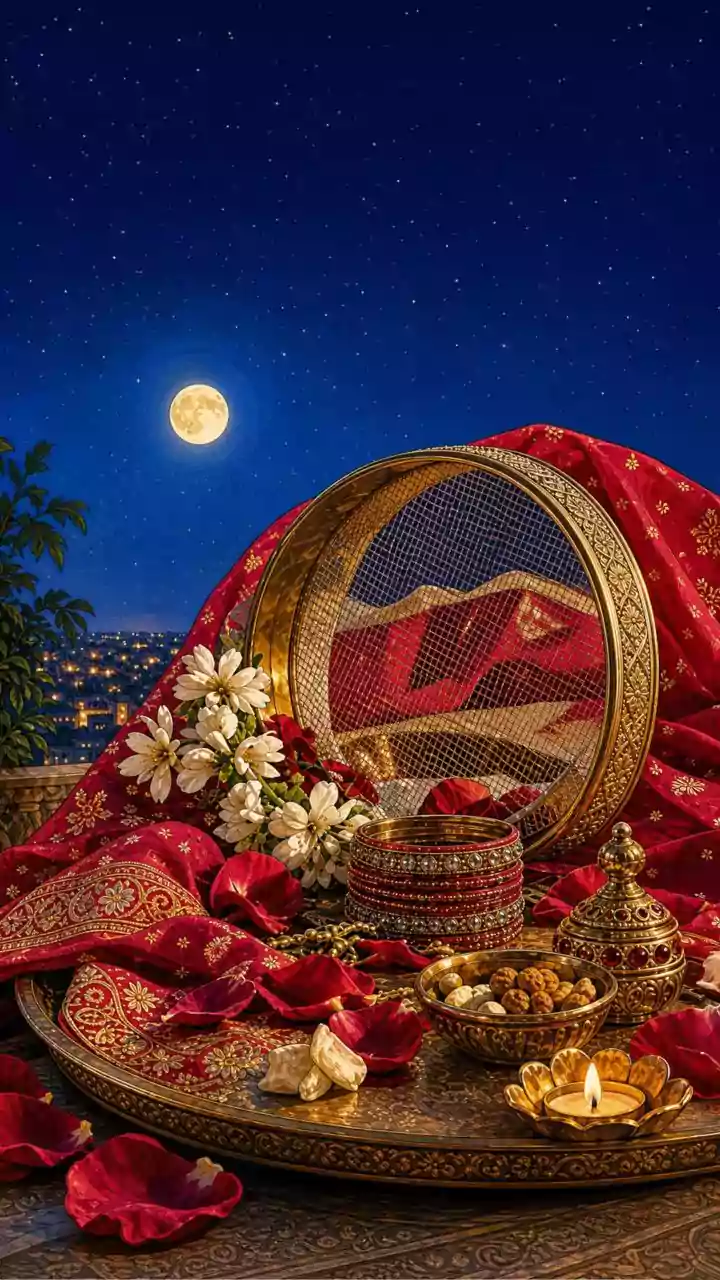
As evening fell, weak with hunger and thirst, she eagerly awaited the moonrise. Her brothers, pained to see her distress, devised a plan. They created an illusion of a moon by holding a mirror behind a pipal tree and urged her to break her fast. Trusting them, she ate. The moment she did, she received news that her husband, the king, was dead. In other versions of the tale, he falls gravely ill or into a coma.
A Journey of Penance and Devotion
Heartbroken, Veeravati rushed towards her husband's kingdom. On her way, she was met by Lord Shiva and Goddess Parvati, who explained her brothers' deception. They informed her that breaking the fast prematurely was the cause of her husband's fate. Moved by her inconsolable grief and sincere repentance, Goddess Parvati granted her a path to redemption. She instructed Veeravati to re-observe the Karwa Chauth fast with unwavering faith and strict adherence to the rituals. In some tellings, this required her to undertake fasts for a full year. Through her steadfast penance, she eventually revived her husband, proving the power of her devotion.
Legend as a Moral Compass
Like many stories tied to ancient traditions, there is no verifiable historical evidence to place Queen Veeravati, her seven brothers, or her king at a specific time in history. The tale is not found in primary historical records but exists in a rich body of folklore and oral tradition, likely linked to Puranic literature. However, its historical accuracy is not the source of its power. The story's purpose is not to document an event but to provide a powerful narrative framework for the festival. It serves as a cautionary tale about the importance of completing the fast correctly and a testament to the spiritual strength of a wife's devotion.
The Enduring Power of the Story
The Veeravati legend endures because it gives meaning to the ritual sacrifice of the fast. It transforms a day of abstinence into a dramatic reenactment of love, loss, and redemption. The story's key elements—the sister-brother bond, wifely devotion, and the ultimate triumph of faith—resonate deeply with the cultural values embedded in the festival. It provides a powerful 'why' for the day's observances, reminding those who fast of the spiritual stakes and the sacredness of their commitment. The narrative reinforces the belief that a wife's dedication holds the power to protect her husband, even from death itself, a core theme that defines Karwa Chauth today.