

The Fundamental Difference: Seasoning vs. Steel
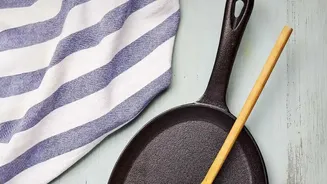
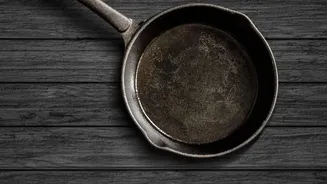
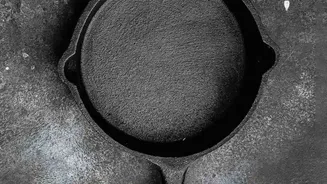
The main distinction lies in the pan's surface. A cast-iron pan is made of a reactive iron alloy. To make it non-stick and prevent rust, it needs 'seasoning'—a layer of baked-on, polymerized oil that bonds to the metal. This layer is something you build
and maintain over time. Stainless steel, on the other hand, is a non-reactive alloy, often containing chromium and nickel, designed to resist rust and corrosion. It doesn't require seasoning. Its non-stick properties come from proper heating techniques, not a built-up surface.
The Daily Clean-Up Routine
After cooking, the paths for these pans diverge. For stainless steel, the process is simple: let it cool a bit to avoid thermal shock, then wash with regular dish soap and a sponge. It’s durable and can handle scrubbing. Most are even dishwasher-safe, though handwashing is often recommended. For cast iron, the classic advice is to clean it while it’s still warm. Use a brush or scraper to remove food bits under hot water. While many fear soap, modern dish soaps (which don't contain lye) are perfectly safe to use in moderation on a well-seasoned pan. The most critical step is drying it completely—place it on the stove over low heat for a few minutes to evaporate all moisture and prevent rust. Then, wipe a very thin layer of oil on the surface.
Tackling Tough Messes and Rust
For stubborn, burnt-on food in a stainless-steel pan, you have several options. Soaking with hot, soapy water often works. For tougher stains, you can boil a mixture of water and vinegar in the pan, then let it cool before scrubbing. A paste of baking soda and water can also be used as a gentle abrasive. Cast iron has a different set of problems, primarily rust. If you see rust, don't panic. It can usually be scrubbed off with steel wool and soapy water. After removing the rust, you must thoroughly dry the pan and re-season it by applying a thin coat of oil and baking it in the oven. Never soak a cast-iron pan, as prolonged exposure to water is the primary cause of rust.
Utensils and Heat Management
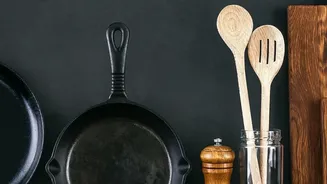
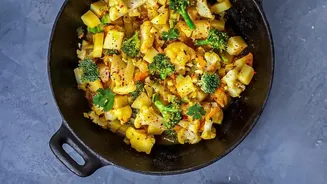
One of the great myths is that you can't use metal utensils on cast iron. In reality, cast iron is harder than the metal in your spatula, and using metal can even help smooth the seasoning. Stainless steel is also robust enough for metal utensils. Where they differ is in heat response. Stainless steel heats up and cools down relatively quickly, making it responsive and ideal for sautéing or creating pan sauces where temperature control is key. Cast iron heats slowly but retains that heat for a long time, making it the champion for searing steaks and getting a deep, even crust on everything from cornbread to dosas. However, this slow response means you should always pre-heat your cast-iron pan gradually to avoid hot spots or cracking.
Acidic Foods and Storage
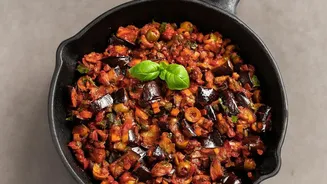
Because cast iron is reactive, cooking highly acidic foods like tomato sauce or lemon-based dishes for long periods can strip the seasoning and impart a metallic taste to your food. While a well-seasoned pan can handle a quick dish, it's generally best to use stainless steel for slow-simmering acidic recipes. Stainless steel is non-reactive, so it won't affect the flavour of any food. When it comes to storage, both pans should be stored in a dry place. For cast iron, ensure it’s completely dry. Some users place a paper towel inside when stacking to absorb any ambient moisture and protect the seasoning.