


The World's Quietest Festival
In a world saturated with noise, Finland has launched an antidote: Hiljaa Fest, which translates to 'Quietly Fest'. Quickly nicknamed 'Quietchella' in a playful nod to its boisterous American counterpart, this event turns the festival concept on its head.
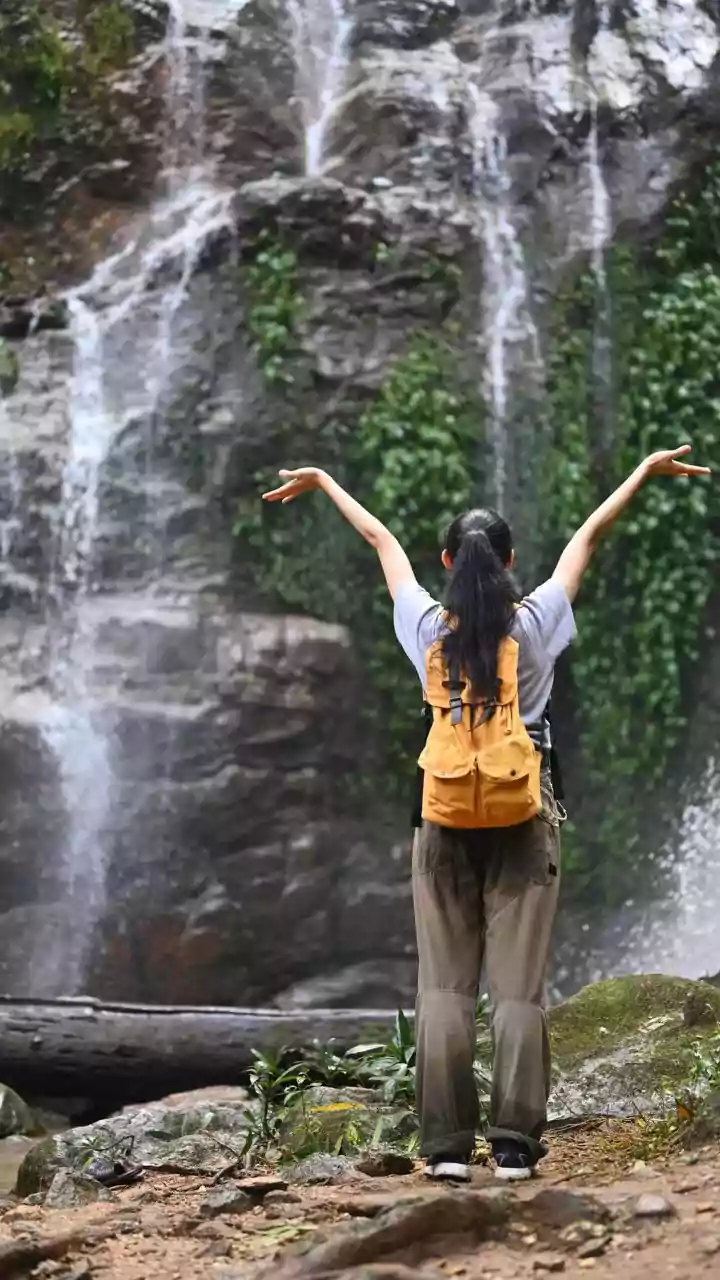
Instead of thumping bass lines and cheering crowds, the main attraction is the subtle soundscape of nature itself. Held in the Valkmusa National Park, a protected wetland reserve about 90 minutes from Helsinki, the festival invites attendees to slow down and tune into the Earth’s delicate soundtrack. The event, which runs through October, encourages a self-guided experience, asking visitors to wander the park's trails and simply listen.
Meet the Headliners
So, what does the line-up for the world's quietest festival look like? The stars of the show are the park's permanent residents. Headliners include the whispering wind as it moves through the trees, the faint rustle of bog moss, and the distinctive calls of the black grouse. Other performers on the 'bill' include a variety of native bird species and even a rare moth, the rämekulmumittari, which is the park's official symbol. Of course, these performers are famously mercurial; organisers make no promises that every 'artist' will make an appearance. The point isn't to catch a specific act, but to cultivate a sense of presence and appreciate the sounds that are always there, just waiting to be heard.
The 'Venue': A Finnish National Treasure
The setting for Quietchella is as important as its performers. Valkmusa National Park is a vast expanse of protected swamp and bog land, representing a rare and vital ecosystem in Southern Finland. Bogs, or peatlands, are unique wetlands where dead plant material, especially sphagnum moss, accumulates over millennia to form deep layers of peat. These ecosystems are incredibly important, acting as massive carbon sinks that store more carbon than all the world's forests combined. The park protects over 40 distinct types of mire habitat and is a crucial nesting and resting area for numerous bird species. Boardwalks and observation towers allow visitors to traverse the waterlogged landscape without disturbing the fragile environment.
A Rebellion Against Noise
At its heart, Quietchella is more than just a clever idea; it's a statement. In an age of constant digital notifications and urban clamour, true quiet has become a rare luxury. This festival is a direct response to that reality, a movement to reclaim silence and appreciate the profound beauty in subtlety. 'We have planned the first-ever Festival of Nature Listening so that visitors get to tour the national park and really listen to the music nature creates,' said Simo Peri, the festival's creative director. The experience is designed to be restorative for the mind and soul, encouraging a deeper connection with the environment. It taps into a growing desire for digital detoxes and mindful experiences that offer a genuine escape from the pressures of modern life.
The Power of Peatland Soundscapes
While Finland is pioneering the 'nature listening festival', the appreciation for these quiet soundscapes is a global phenomenon. In Scotland, the RSPB manages the Forsinard Flows Nature Reserve, part of The Flow Country, a UNESCO World Heritage site that is the world's largest blanket bog. This vast, seemingly silent landscape is teeming with its own subtle music: the calls of rare birds like golden plovers and greenshanks, the buzz of dragonflies, and the squelch of sphagnum moss underfoot. Conservation efforts in these areas are not just about protecting the land, but also preserving these unique acoustic environments. These places are vital refuges, not only for wildlife but also for humans seeking solace in a world that seldom stops talking.