



Breaking Down The Numbers
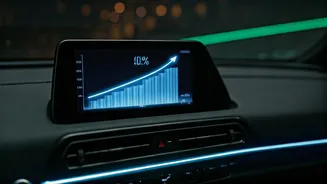
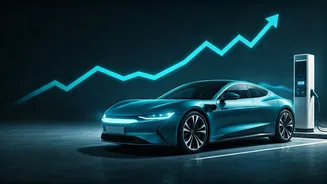
The headline figures represent a significant leap in India's electric mobility journey. The jump reflects a substantial year-over-year growth, primarily comparing May 2024 to May of the previous year. While the headline uses specific figures, broader
data from the Vahan portal shows a consistent and powerful trend. Total EV sales have been climbing steadily, with some months showing remarkable spikes. For instance, in May 2024, overall EV registrations reached nearly 140,000 units. The growth isn't uniform across all vehicle types; it's overwhelmingly led by the two-wheeler and three-wheeler segments, which form the backbone of personal and commercial transport for millions of Indians. This surge indicates that the transition to electric is not a distant dream but a present-day reality unfolding on India's roads.
The Two-Wheeler and Three-Wheeler Dominance
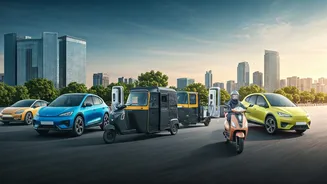
The engine of India's EV growth story is undoubtedly the two-wheeler (2W) and three-wheeler (3W) segment. Electric scooters, motorcycles, and rickshaws are driving the volume. In May 2024, electric two-wheeler sales saw a significant rise to over 76,000 units. These vehicles are proving to be a perfect fit for Indian consumers due to their lower running costs, suitability for congested city traffic, and decreasing price gap with their petrol counterparts. The commercial 3W space, including e-rickshaws and cargo vehicles, is electrifying at a rapid pace, driven by the clear economic benefits for operators in terms of fuel and maintenance savings. States like Uttar Pradesh, Maharashtra, and Karnataka are leading this charge, accounting for a massive chunk of total sales.
Government Policy Pushes The Pedal
A key catalyst behind this adoption boom is strong government support. Schemes like the Faster Adoption and Manufacturing of Hybrid and Electric Vehicles (FAME) have been crucial. Although the FAME-II subsidy scheme ended in March 2024, the government has introduced new policies to maintain momentum. The upcoming FAME-III scheme is expected to allocate around ₹10,000 crore, focusing heavily on public transport and the ever-important 2W and 3W segments. These policies not only reduce the upfront cost for consumers through subsidies but also signal a long-term commitment that gives manufacturers the confidence to invest in local production.
More Choices and Better Infrastructure
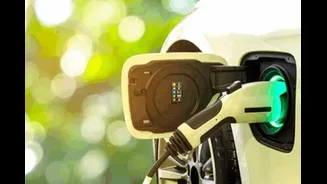
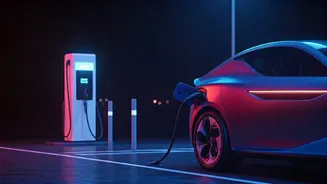
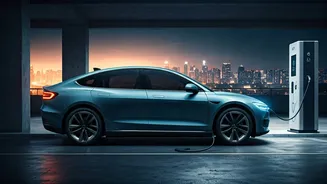
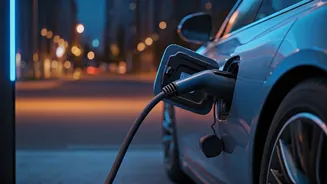
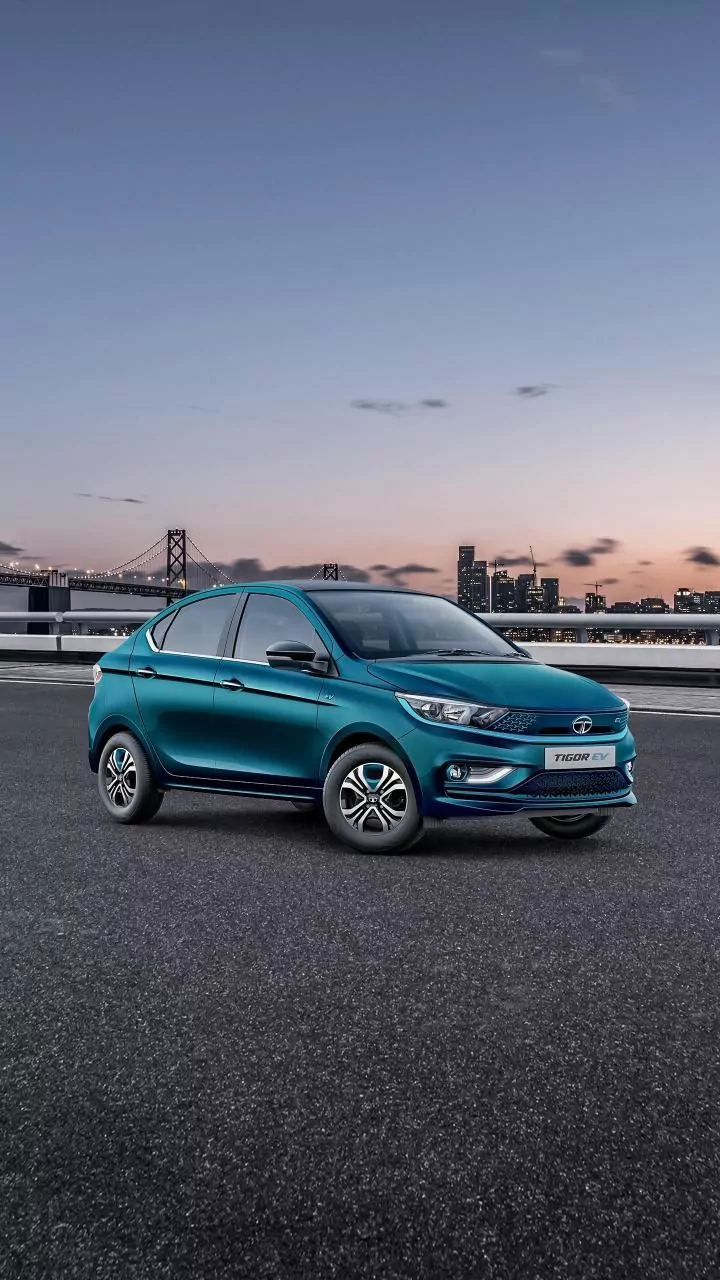
Consumers today have more choices than ever before. The market is no longer dominated by a handful of models. A host of new and legacy manufacturers have entered the fray, launching EVs across various price points and segments, from affordable scooters to premium electric SUVs. This increased competition is driving innovation and making EVs more accessible. Simultaneously, the charging infrastructure is slowly but surely expanding. While still a work in progress, the increasing number of public and private charging stations is helping to alleviate 'range anxiety'—the fear of running out of power—which has been a significant barrier to adoption for many potential buyers.
The Economic and Environmental Equation
Beyond government sops and new models, simple economics is a powerful motivator. With petrol and diesel prices remaining volatile and high, the lower running cost of an EV has become a compelling proposition for daily commuters and commercial fleet owners. The total cost of ownership for an EV, which includes the purchase price and running costs over its lifetime, is increasingly favourable compared to an internal combustion engine (ICE) vehicle. Furthermore, a growing environmental consciousness among consumers, particularly in urban areas choked by pollution, is contributing to the shift towards cleaner transport alternatives.