







What Is the Intelligent Traffic Management System?
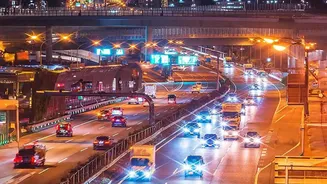
At its core, the project, officially called the Intelligent Traffic Management System (ITMS), is a high-tech overhaul designed to make Delhi's road network smarter and more responsive. Approved by the Union Cabinet, this initiative aims to move away from
the current, largely static system where traffic signals operate on fixed timers, regardless of the actual vehicle flow. Instead, it will use real-time data to manage traffic, improve road safety, and create a more predictable travel experience for the capital's citizens. The project will be implemented by the Delhi Police across 42 identified traffic corridors, with the Centre for Development of Advanced Computing (C-DAC) acting as the project management consultant to provide technical support.
The AI Brains Behind the Operation
The key innovation of the ITMS is its ability to think and adapt. The system will rely on a network of AI-powered cameras and sensors at 1,092 locations to monitor traffic density in real time. This data will feed into Adaptive Traffic Control Systems (ATCS), which can dynamically change signal timings. If one road is heavily congested while a crossing road is clear, the system can adjust the green and red light durations accordingly to ease the bottleneck. Beyond just managing flow, the system includes a robust enforcement arm at 1,029 locations. AI analytics will automatically detect a range of violations, including speeding, red-light jumping, not wearing a helmet, using a mobile phone while driving, and wrong-way driving, strengthening automated challan issuance. It will also help identify stolen or blacklisted vehicles.
A 24-Month Transformation Plan
This massive upgrade won't happen overnight. The rollout is structured in three phases over a 24-month period, followed by a five-year operation and maintenance contract. The implementation is performance-driven, meaning each phase will be evaluated against strict parameters before the next one begins. This ensures that the technology is working as intended before being expanded. The first phase, set to be completed within the first 12 months, will target five major traffic corridors, bringing 250 junctions under the adaptive signal system and setting up 271 enforcement points. This phased approach allows for a gradual, controlled deployment across the 42 designated corridors, ensuring the system's stability and effectiveness as it scales up.
More Than Just Faster Commutes
The project promises benefits that extend beyond simply reducing daily travel time. One of the most critical features is the ability to create 'green corridors' for emergency vehicles. Ambulances and fire trucks will be fitted with sensors that communicate with traffic signals, allowing the system to turn signals green as they approach, ensuring a clearer, faster path during emergencies. For regular commuters, the ITMS will provide real-time information about congestion, diversions, or incidents through Variable Message Signs on roads and other digital platforms. The goal is a holistic improvement, leading to safer roads through better enforcement, quicker response times to incidents, and a less stressful, more predictable journey for everyone on Delhi's roads.