


Why This Season is Peak for Pilots
The period from May through September is considered the prime season for one simple reason: the weather is at its most cooperative. This window offers a fantastic combination of long, sunny days, stable weather patterns, and the development of strong
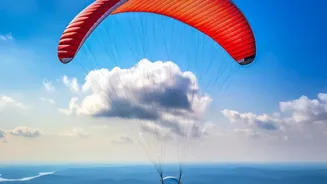
thermal currents. Thermals are columns of rising warm air that pilots use to gain altitude and extend their flights, and they are most reliable during these months. While flying is possible year-round, this five-month stretch provides the best balance of safety, enjoyment, and airtime.
May and June: The Powerful Spring Ascent
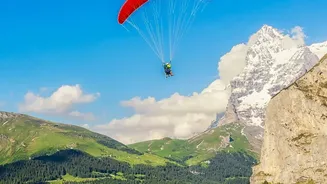
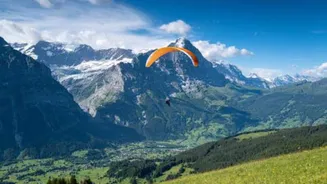
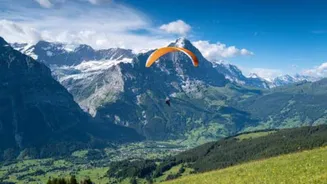
As the last of the winter snow melts from the lower slopes, the spring season kicks into gear. May and June are particularly favored by experienced pilots seeking long cross-country flights. The sun's increasing power on the still-bare ground creates strong, sometimes punchy, thermals that can lead to high-altitude gains. For beginners, conditions are often calmer and smoother in the mornings and evenings. This time of year also offers stunning visual contrasts, with lush green valleys set against snow-capped peaks and the remarkably clear air of late spring.
July and August: The Heart of Summer Flying
July and August represent the high season for tourism and flying alike. The weather is generally warm and stable, and the thermals are well-established, making it a great time for pilots of all levels. These months are known for long flights, with high cloud bases allowing for incredible views over the massifs. The trade-off is that popular sites can become quite crowded. If you plan to fly during this peak period, especially at world-renowned locations like Annecy or Chamonix, booking tandem flights and courses well in advance is essential.
September: The Golden Month
Many seasoned pilots consider September a well-kept secret and arguably the finest month for flying in the Alps. The intense thermal activity of mid-summer begins to mellow, resulting in smoother, more forgiving conditions suitable for all-day flying. The summer crowds start to dissipate, but the weather often remains warm and stable. The true magic of September, however, is the scenery. The forests begin to turn, painting the mountainsides in spectacular autumn colours, all under a soft, golden light that makes for unforgettable views and photographs.
Iconic Hubs of Alpine Flight
The French Alps are dotted with legendary flying sites. Annecy is famous for its breathtaking tandem flights over the turquoise lake, with reliable conditions that make it ideal for beginners and seasoned pilots. Chamonix offers a more dramatic, high-mountain experience, with launches that place you in the shadow of Mont Blanc, Europe's highest peak. Further south, Saint-Hilaire-du-Touvet is another spiritual home for free flight, hosting the world's largest flying festival, the Coupe Icare, each September. Each location offers a unique character and perspective on the alpine landscape.
Planning Your Alpine Adventure
Whether you are a complete beginner or a licensed pilot, preparation is key. The easiest way to experience the thrill is through a tandem flight with a certified instructor, who handles all the technical aspects of the flight. Numerous professional schools throughout the region offer everything from introductory tandem flights to full licensing courses. Always check the weather forecast before heading out, as mountain conditions can change rapidly. Listening to local, experienced pilots and instructors is the best way to ensure a safe and memorable flight above some of the most spectacular scenery on Earth.