





The Soul of Sawan Eating
For countless devotees, Sawan is a deeply spiritual time marked by fasting or observing a specific diet, especially on Mondays (Somwar). This practice is rooted in devotion to Lord Shiva and aims to purify the mind and body. The traditional Sawan diet, or 'vrat'
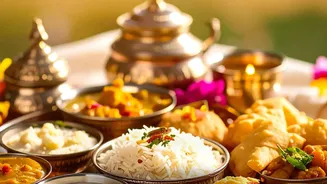
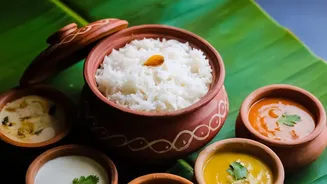
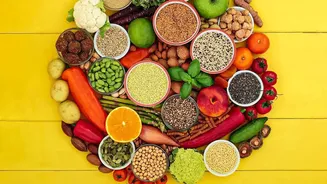
food, is based on Sattvic principles, which favour simple, pure, and light meals to calm the mind for prayer. This means avoiding non-vegetarian food, eggs, onions, garlic, regular table salt, and certain grains like wheat and lentils. Instead, the focus shifts to a specific pantry of ingredients: fruits, dairy products like milk and paneer, and vrat-friendly flours such as kuttu (buckwheat), singhara (water chestnut), and rajgira (amaranth). Staples like sabudana (tapioca pearls), samak rice (barnyard millet), and vegetables like potatoes and bottle gourd become central to meals, seasoned with rock salt (sendha namak). This dietary shift is not arbitrary; it aligns with Ayurvedic principles that suggest our digestive fire ('agni') is weaker during the monsoon, making lighter foods easier to process.
When 'Wellness' Co-opts Tradition
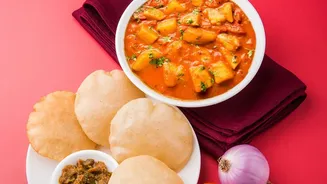
The problem arises when this profound spiritual discipline is co-opted by the modern wellness industry and rebranded as a trendy "detox" or a quick-fix weight loss plan. Suddenly, the narrative shifts from spiritual purity to dubious health claims. Social media feeds and marketing campaigns may frame Sawan fasting as the ultimate cleanse, promising miraculous results that the tradition itself never intended. This often leads to a focus on expensive, exotic "superfoods" that have no connection to traditional Sawan practices. Worse, it can turn a period of mindful eating into a stressful cycle of restriction and overindulgence. Many people find themselves gaining weight during fasting periods because traditional vrat foods, while permissible, can be high in calories if not prepared mindfully. Deep-fried kuttu puris, ghee-laden potato dishes, and sugary sabudana kheer can easily transform a spiritual fast into a high-calorie feast.
Rediscovering the Wisdom of Tradition
The irony is that traditional Sawan dietary practices often have inherent health benefits that don't need exaggeration or a modern marketing spin. Giving the digestive system a rest from heavy, processed, and non-vegetarian foods can be genuinely restorative. The diet naturally encourages the consumption of fruits, vegetables, and dairy, boosting intake of essential nutrients. According to Ayurvedic wisdom and even modern science, the monsoon season is when water-borne illnesses are more prevalent, and a lighter, freshly cooked vegetarian diet can lower the risk of food spoilage and gut infections. By avoiding heavy meals, the body can adapt better to the slower metabolism associated with the humid season. This is the original, sensible approach to seasonal eating—a practice designed for spiritual and physical harmony long before "clean eating" became a hashtag.
A Balanced Plate for Body and Spirit
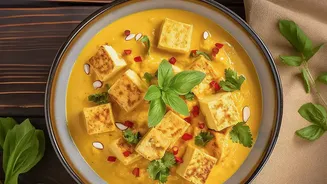
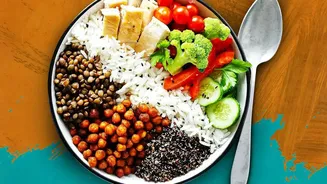
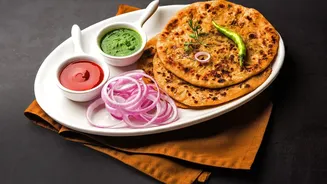
Observing the Sawan fast in a healthy way is about balance, not deprivation or falling for fads. Nutrition experts advise focusing on portion control and mindful preparation. Instead of deep-frying, try baking, roasting, or steaming. A balanced vrat meal could include kuttu or rajgira rotis instead of puris, paired with a simple lauki (bottle gourd) sabzi and a bowl of curd. Roasted makhana (fox nuts), a handful of nuts, or a fruit chaat make for excellent, energy-sustaining snacks between meals. Hydration is key, especially if you are fasting; water, coconut water, and buttermilk are great choices to maintain fluid balance. The goal should be to nourish your body with the clean, simple foods that tradition prescribes, rather than treating the fast as an excuse to either starve or feast on fried snacks.
Honouring Faith, Not Fads
Ultimately, the guidance we seek and share around Sawan foods should circle back to its original purpose: spiritual discipline. It is an opportunity for introspection, devotion, and self-control—not a competition for weight loss or a showcase of trendy recipes. When we respect the tradition for what it is, we find that it already contains the wisdom needed for a healthy and fulfilling observance. The focus should remain on purifying the mind and strengthening one's spiritual connection. Food is merely a tool in this process, a means of practicing discipline, not an end in itself. By embracing the simplicity and mindfulness at the heart of Sawan, we can have a truly nourishing experience for both body and soul, free from the noise of unsupported health claims.