



Why E20 Fuel is Everywhere
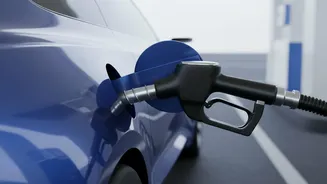
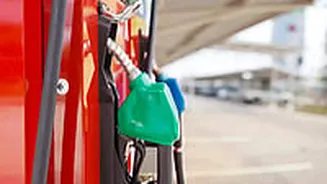
If you have filled up your petrol vehicle recently, you have likely used E20—a blend of 80% petrol and 20% ethanol. India has rapidly rolled out this fuel nationwide, achieving its 20% blending target years ahead of schedule. The government's goals are
straightforward: reduce the country's massive oil import bill, lower carbon emissions, and provide an additional income stream for farmers who supply the crops, like sugarcane and maize, used to produce ethanol. For years, India used E10 (10% ethanol), and the shift to E20 marks a significant step in this green energy transition, putting India in the company of countries like Brazil and the US which also use ethanol blends extensively.
The Fear of Failure vs. The Data
The most potent fear circulating among vehicle owners is that E20 fuel will damage or destroy their engines, particularly in older models not explicitly designed for it. However, recent government statements and industry data strongly counter this narrative. The Ministry of Petroleum & Natural Gas has dismissed these concerns, terming the controversy "manufactured." Officials point out that higher blends like E15 have been in use for over three years, with E19-E20 available for more than two and a half years, across more than 20 crore two-wheelers and 3 crore cars. During this time, there has been no verified evidence of widespread engine failure linked to ethanol. Major manufacturers have backed this up. Maruti Suzuki, for example, reported that after servicing 2.84 crore vehicles in FY 2025-26—including 1.5 crore not certified for E20—it found no abnormal corrosion or component wear attributable to the fuel.
The Real Impact: A Drop in Mileage
While the threat of mass engine meltdowns appears unfounded, the data confirms a different, more wallet-focused issue: reduced fuel economy. In a recent statement to Parliament, Road Transport and Highways Minister Nitin Gadkari confirmed that E20 fuel can lower fuel efficiency by 2% to 6%, depending on the vehicle's age and type. The government has also acknowledged a drop in the range of 3-5% for some vehicles. This is due to basic chemistry—ethanol has a lower energy density than petrol, meaning a little more fuel is required to produce the same amount of power. So, if you feel you are visiting the petrol pump more frequently, you are not imagining it. While the government notes that driving habits and traffic conditions also play a big role, the drop in mileage is a verified side-effect of the switch to E20.
Which Vehicles Are Affected?
Technically, all vehicles manufactured in India since April 2023 are fully E20 compliant. Major automakers have conducted extensive testing and confirmed that their modern petrol vehicles are ready for the transition. For vehicles made before 2023, the situation is more nuanced. While the government and manufacturers state there is no risk of sudden, catastrophic failure, the 3-5% drop in mileage is more pronounced in these older cars. In some very old models (pre-2016), there is a possibility that certain rubber and plastic components in the fuel system might degrade faster over time, but officials suggest this can be managed during routine servicing. The consensus from joint studies by bodies like the Automotive Research Association of India (ARAI) and the Society of Indian Automobile Manufacturers (SIAM) is that even legacy vehicles do not show significant performance issues or abnormal wear and tear.
What the Data Means for You
The latest government data and industry reports paint a clear picture. The nationwide switch to E20 is not the 'engine-killer' some feared. The primary, data-backed impact for the average driver is a modest decrease in fuel efficiency. While a 3-5% drop may seem small, it adds up over time, effectively increasing the cost per kilometre. On the upside, the government points to benefits like better acceleration and cleaner combustion, leading to around 30% lower carbon monoxide emissions compared to E10 fuel. Ultimately, the E20 transition represents a national strategic shift towards energy security and environmental goals, with the cost being a slight reduction in vehicle mileage for consumers.