






The New King of Indian EVs
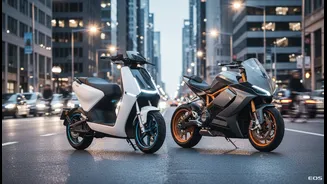
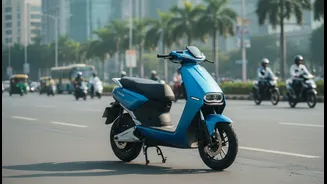
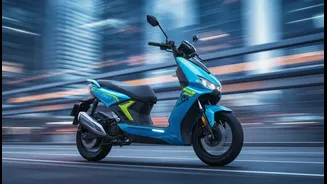
TVS Motor Company is now the undisputed leader in India's electric two-wheeler segment. According to the latest retail sales data for June 2026, TVS sold nearly 47,000 units of its iQube electric scooter, capturing a commanding 24% market share. This
ascent marks a pivotal moment, proving that a steady, measured approach can triumph in a volatile market. The company’s focus on leveraging its vast service network and building a reputation for reliability has paid off, allowing it to consistently grow its sales and solidify its position as the preferred choice for many Indian consumers.
A Tale of Two Strategies
The leaderboard reshuffle tells a compelling story of contrasting business strategies. While new-age companies like Ola Electric initially captured the market with high-profile launches and aggressive sales tactics, their momentum has faced headwinds. Ola, once the dominant player, has slipped to the fifth position with an 8% market share in June 2026. In contrast, legacy giants TVS and Bajaj Auto, which secured the second spot with a 22% market share, have adopted a more traditional playbook. They have successfully utilized their existing manufacturing prowess, extensive dealership networks, and the strong brand equity of models like the TVS iQube and Bajaj Chetak to build lasting customer confidence.
A Fiercely Competitive Battlefield
While TVS celebrates its lead, the race is far from over. The Indian EV two-wheeler market is a crowded and fiercely competitive arena. Bengaluru-based startup Ather Energy holds a strong third position with a 16% market share and an impressive 95% year-on-year growth. Meanwhile, Hero MotoCorp, India's largest two-wheeler manufacturer, is making significant strides with its Vida brand. It claimed the fourth spot in June 2026, registering a remarkable 175% year-on-year growth, indicating its intent to leverage its massive scale to conquer the EV segment just as it has the petrol-powered market. Other players like Ampere, River Mobility, and BGauss are also vying for a piece of the pie.
What's Fuelling the Market Surge?
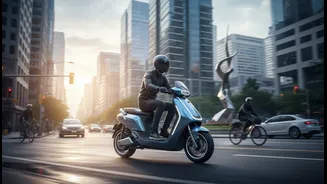
The entire market is experiencing phenomenal acceleration. In June 2026, electric two-wheelers crossed a major milestone, accounting for over 10% of all two-wheeler sales for the first time. Overall sales in the first half of 2026 crossed one million units, a massive 54% increase from the previous year. This surge is driven by several factors. Volatile petrol prices have made the cost-effective nature of EVs highly attractive. Supportive government policies and subsidies, while sometimes fluctuating, have provided a crucial initial push. Furthermore, growing environmental awareness and a wider choice of reliable products are encouraging more Indians to make the switch.
Roadblocks and the Road Ahead
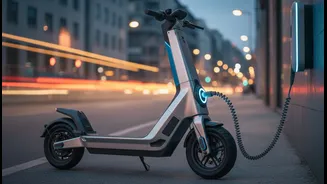
Despite the impressive growth, the path forward has its challenges. The industry remains sensitive to changes in government subsidies, which can cause significant price fluctuations and disrupt sales momentum. A lack of widespread and reliable charging infrastructure is still a major concern for potential buyers, alongside range anxiety and the high upfront cost of some models. Additionally, ensuring battery safety and quality remains a critical task for all manufacturers to maintain consumer trust. The long-term winner in this market won't just be the one with the flashiest product, but the one who can master manufacturing, scale their service network, and consistently deliver a reliable and safe ownership experience.