

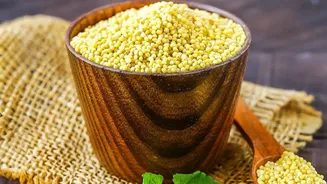
The Superfood on a Pedestal
Finger millet, known across India as ragi, has been crowned a 'superfood', and for good reason. It is a nutritional powerhouse, packed with calcium, protein, and iron. Because it is high in dietary fibre, it keeps you feeling full longer, which can aid
in weight management. Its gluten-free nature makes it a staple for those with dietary restrictions. With a list of benefits like these, it's easy to see why ragi has been placed on a health pedestal. This reputation, however, comes with a downside. When a food is marketed primarily for its health benefits, it can create a 'health halo'. This effect makes us see the food as medicinal or as a virtuous choice, which can sometimes strip the joy out of eating it.
More Than Just Healthy
Focusing only on ragi's health profile does this ancient grain a great disservice. For generations, it has been a cornerstone of Indian cuisine, not because of a nutritional label, but because of its taste, texture, and versatility. By labelling it strictly as 'health food', we risk overlooking its rich culinary heritage. The true beauty of ragi lies in its adaptability. Its earthy, nutty flavour provides a fantastic base for a wide array of dishes. Reducing it to a mere health supplement misses the point entirely. The goal isn't to eat ragi because you have to, but to cook with it because you want to. And pancakes are the perfect place to start.
Exploring the Savoury Spectrum
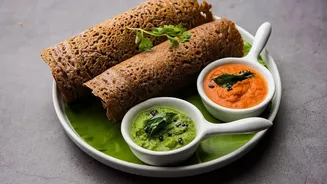
When you think of pancakes, a sweet, breakfast-style dish usually comes to mind. But ragi's flavour profile shines in savoury applications. You can easily create a savoury pancake, similar to a cheela or dosa, using ragi flour. A simple batter can be made with ragi flour, water, and a pinch of salt. To this base, you can add finely chopped onions, green chillies, coriander, or grated carrots. These savoury pancakes cook up quickly on a hot griddle and are wonderfully satisfying. Serve them hot with a side of mint chutney, coconut chutney, or a simple bowl of yoghurt for a light, yet filling, meal at any time of day.
Finding the Sweet Spot
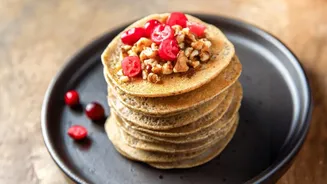
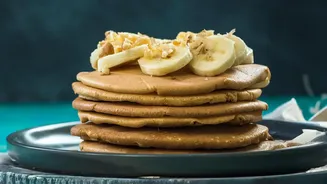
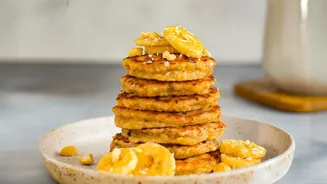
Of course, ragi also excels in sweet pancakes. To lean into a more wholesome sweetness, you can replace refined sugar with jaggery, date powder, or mashed ripe bananas. A common combination involves mixing ragi flour with whole wheat flour to create a softer, fluffier texture. To enrich the batter, you can add eggs or yoghurt, a splash of milk, and a pinch of cardamom or cinnamon for warmth. These pancakes pair beautifully with a drizzle of honey or maple syrup, fresh fruit like bananas and berries, or a sprinkle of nuts for added crunch. They offer a comforting sweetness without feeling overly indulgent.
Tips for the Perfect Texture
Working with ragi flour can be different from using refined wheat flour. On its own, ragi can result in dense or dry baked goods. To achieve a lighter, more pleasant texture in your pancakes, consider a few tips. Mixing ragi flour with other flours like whole wheat, rice, or oat flour is a common technique to improve softness. Using a leavening agent like baking powder or baking soda will help the pancakes rise and become fluffier. For savoury dosas, allowing the batter to ferment for a few hours can also develop flavour and improve texture, making it lighter and more digestible. Finally, because ragi flour is gluten-free, be gentle when flipping the pancakes as they can be more delicate.