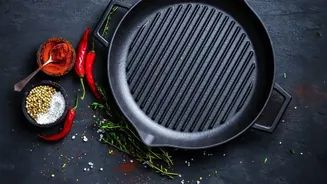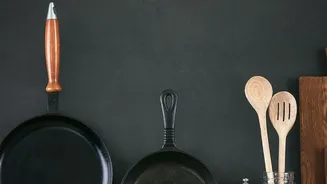



Match the Pan to Your Recipes
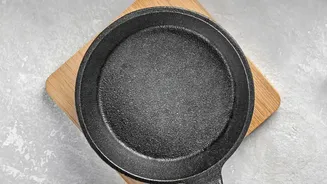
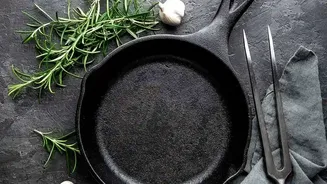
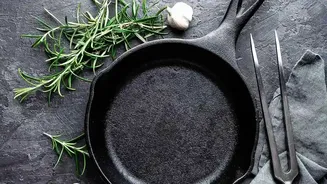
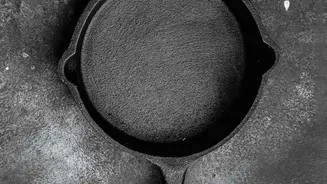
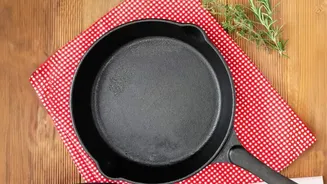
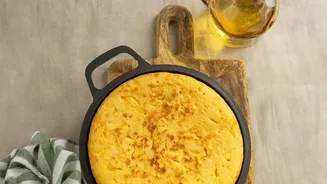
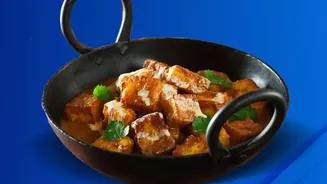
The first step is to think about your go-to meals. Are you searing steaks, baking cornbread, or simmering tomato-based sauces? A traditional cast-iron skillet is a versatile workhorse, perfect for achieving a deep crust on meats or baking dishes with
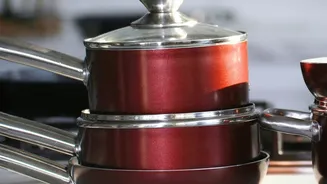
an even, golden-brown finish. Its flat, wide surface provides maximum contact for searing. However, if your cooking leans toward acidic ingredients like wine, citrus, or tomatoes, an enamelled cast-iron pan is a better choice. The enamel coating creates a non-reactive barrier, preventing the iron from interacting with the food and altering its taste. For big-batch stews, braises, or deep-frying, a deeper skillet or a Dutch oven provides the necessary volume and prevents splatters.
Consider the Weight and Handling
Cast-iron is famously heavy, and its weight is a crucial factor in both cooking performance and user comfort. Heavier pans retain heat exceptionally well, meaning the temperature won't drop significantly when you add food. This is key for consistent searing. However, that heft can be a drawback. A typical 12-inch skillet can weigh over 3.5 kilograms, making it challenging to lift, especially when full. Before buying, consider how you’ll use it. Will you need to move it from the stovetop to a hot oven? Will you be flipping food with a flick of the wrist? A 10-inch skillet, often weighing around 2.5 kilograms, is a popular and more manageable starting point for many home cooks. Pans with a smaller “helper handle” opposite the main handle can make lifting a heavy pan much safer and easier.
Be Honest About Maintenance
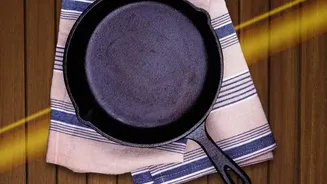
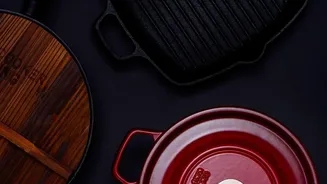
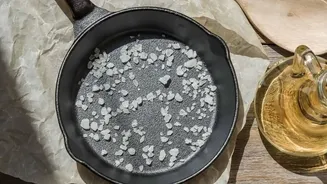
This is where cast-iron ownership becomes a question of personality. There are two main paths: traditional (bare) cast iron and enamelled cast iron. Traditional pans require “seasoning”—a process of baking oil onto the surface to create a natural, non-stick layer. This seasoning builds up over time with regular use. Cleaning involves gentle scrubbing, avoiding harsh soaps, and drying thoroughly to prevent rust. For many, this ritual is a satisfying part of the cooking process. Enamelled cast iron, on the other hand, requires no seasoning at all. The glossy coating is rust-proof and can be cleaned with soap and water, offering much more convenience. However, the enamel can chip or crack if mishandled, and it's generally not recommended for the extremely high heat you might use for searing. Your choice depends on whether you prefer the hands-on tradition of seasoning or the easy-care nature of enamel.
Don't Forget the Details
Beyond the big three factors, small design elements can make a big difference. Pour spouts, for instance, are incredibly useful for neatly draining excess fat after cooking bacon or browning meat. The handle design also affects usability. A longer handle offers better leverage for lifting, while some pans feature ergonomic shapes for a more comfortable grip. Finally, consider the cooking surface itself. Some modern pans have a smoother finish, while others have a slightly pebbled texture. A rougher texture can grip seasoning more effectively initially, but both types will develop a slick, non-stick surface with consistent use and proper care.