



Embrace a New Kitchen Mindset
The biggest shift in cooking for one isn't about the recipes; it's about the strategy. Most recipes are designed to serve four or more, which can be daunting for a single household. Instead of seeing this as a problem, view it as an opportunity. The goal
is to cook smarter, not less. This means planning your meals with overlapping ingredients, shopping with purpose, and viewing leftovers not as a burden but as a head start on a future meal. By planning ahead, you can make one trip to the grocery store count for several different, exciting dishes throughout the week, saving both time and money. Think of your kitchen as your personal cafe, ready to serve up exactly what you want, when you want it.
Master the Art of the Half-Batch
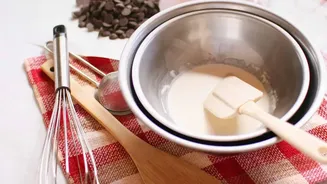
Simply cutting every ingredient in a four-serving recipe in half doesn't always work. While some recipes scale down easily, others require more finesse. Spices, for example, might not need to be halved completely to maintain their flavour profile. Baking can be particularly tricky; halving a recipe might mean using part of an egg, which can be done by whisking it and measuring by volume (a large egg is about 3.5 tablespoons). It’s also crucial to use smaller cookware. A small portion of food in a large pan can cook too quickly or unevenly. Investing in a small skillet, a loaf pan (which can often substitute for a halved square baking dish), and smaller saucepans will make the process much more successful.
Make Your Freezer Your Best Friend
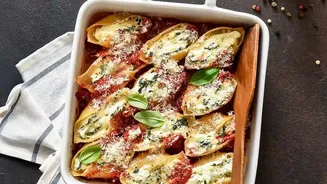
The freezer is the solo cook's most valuable tool for variety and convenience. Instead of eating the same chili for four days straight, portion the full batch into single-serving containers and freeze them immediately. This creates a library of homemade ready-meals for busy nights. Soups, stews, curries, pasta sauces, and casseroles all freeze beautifully. To make reheating even easier, consider using containers designed for freezer cooking, like silicone trays that freeze food in one-cup or two-cup blocks. For items like burritos or sandwiches, wrap them individually in foil. Always label everything with the name of the dish and the date to avoid mystery meals later.
Shop Smarter, Not More
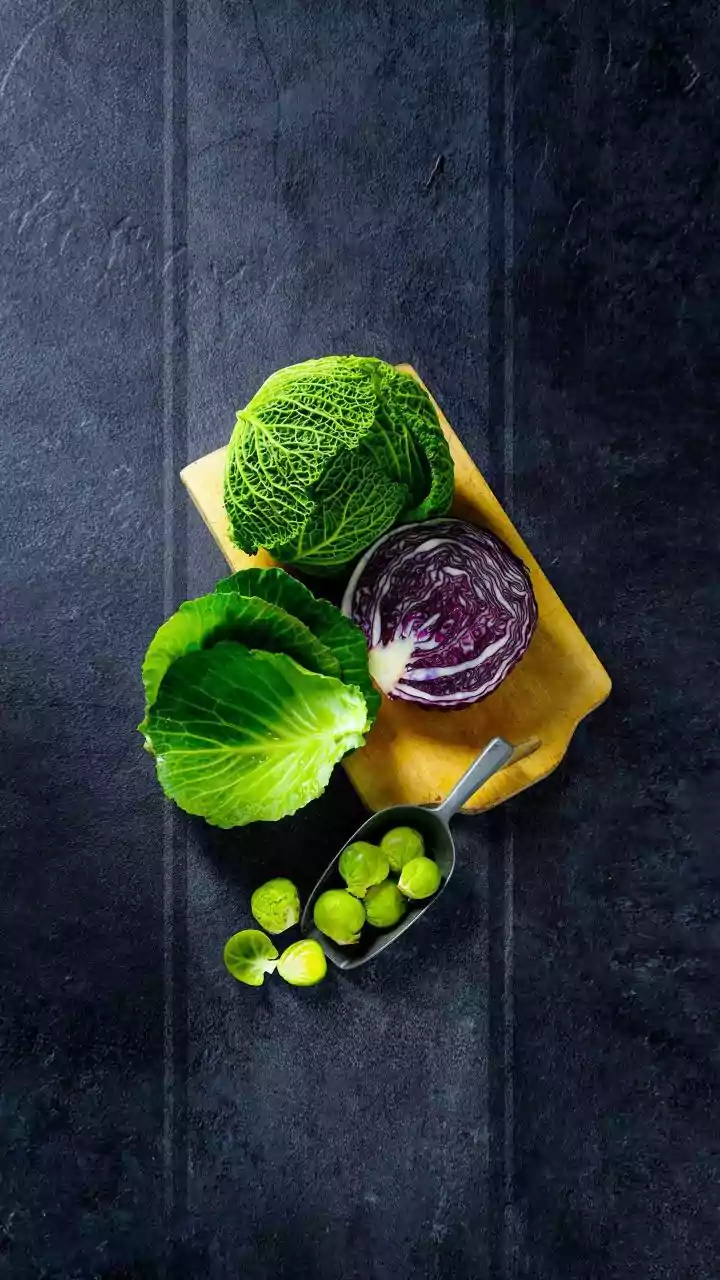
The battle against food waste begins at the grocery store. Before you go, plan a few meals for the week. Try to choose recipes that share ingredients. If you buy a bunch of parsley, make sure you have a plan for a tabbouleh salad and a gremolata for some fish later in the week. Don't be shy about buying smaller quantities. Befriend the butcher and deli counters, where you can ask for a single chicken breast or just a few slices of cheese. For produce, avoid pre-packaged bags when possible and buy loose items so you can get the exact amount you need. Shopping more frequently for smaller amounts can often be more effective than a massive weekly haul that leads to waste.
Learn to 'Remix' Your Leftovers
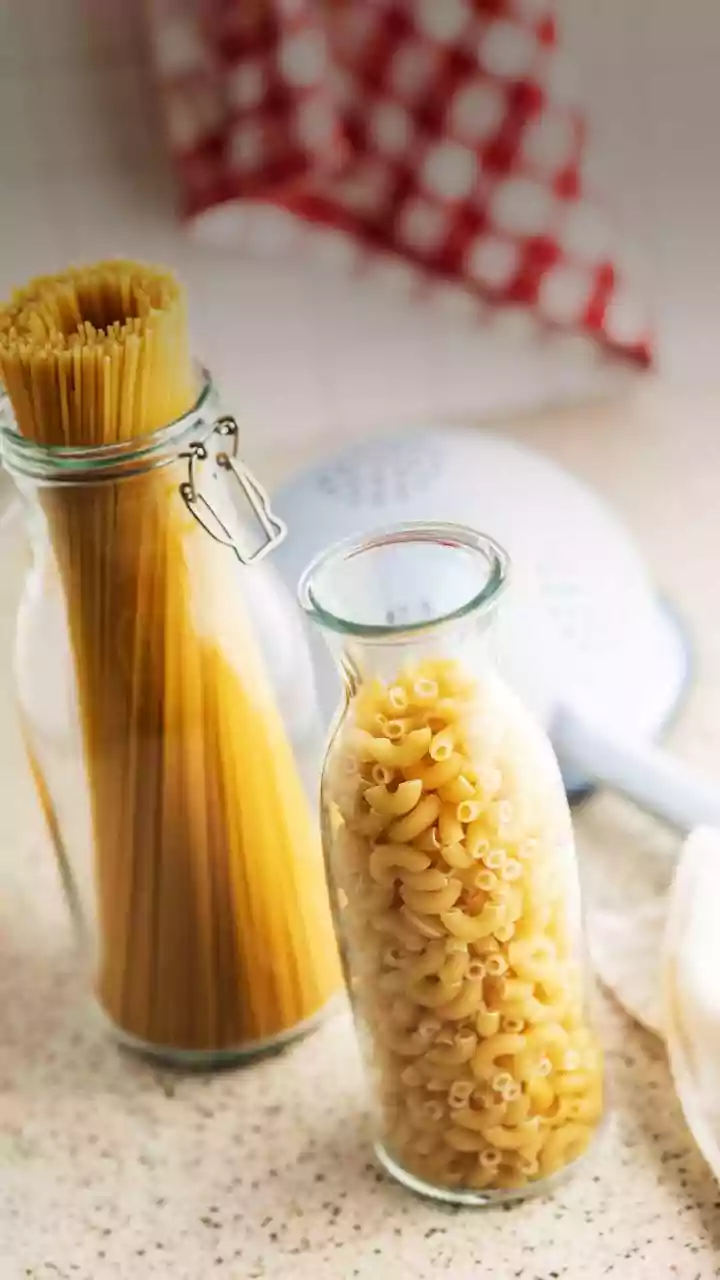
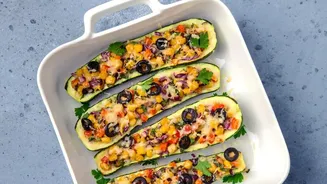
One of the best ways to avoid flavour fatigue is to transform your leftovers into entirely new meals. This is the “cook once, eat twice (or thrice)” philosophy. A roast chicken on Sunday can become chicken tacos on Monday and the base for a hearty chicken noodle soup on Wednesday. Leftover roasted vegetables can be tossed into a frittata, blended into a soup, or mixed with quinoa for a healthy lunch bowl. Keeping a well-stocked pantry with basics like pasta, rice, canned beans, and versatile sauces allows you to easily pivot and create something new from what you already have on hand, ensuring nothing goes to waste and your palate never gets bored.