




From Niche Trend to Home Ritual
Matcha has completed its journey from a niche wellness product to a mainstream sensation in India. Cities like Delhi, Goa, and Chandigarh are seeing a surge in local searches for the drink. But the interest is no longer just about finding the nearest
cafe that serves it. Recent search data shows a massive spike in queries like "how to make matcha," suggesting a significant shift towards home preparation. This move is driven by a desire for a personalized, healthier, and more cost-effective cup. Fans want to control the sweetness, experiment with milks, and enjoy the calming process of preparing the drink themselves.
The Traditionalist's Essential Toolkit
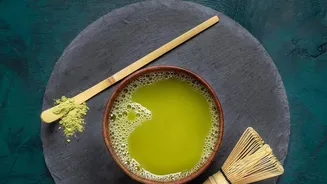
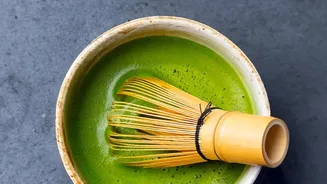
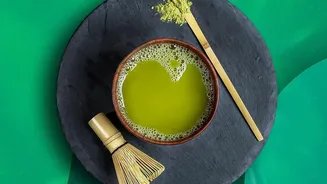
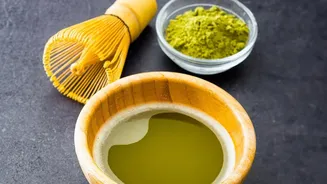
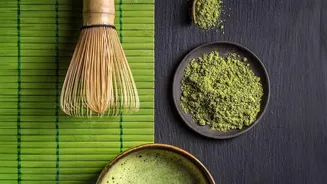
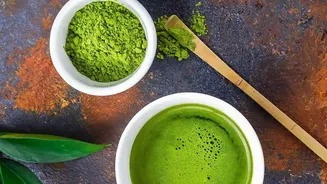
At the heart of a perfect bowl of matcha is a set of traditional Japanese tools, each designed for a specific purpose. While you can start with alternatives, these three items form the foundation of an authentic experience. First is the 'Chawan', or matcha bowl. Its wide, flat bottom isn't just for aesthetics; it provides the necessary space to whisk the powder into a smooth liquid. Next is the 'Chasen', the bamboo whisk, which is arguably the most crucial tool. Its fine prongs are uniquely designed to break up clumps and create the signature frothy layer. Finally, the 'Chashaku', a simple bamboo scoop, helps you measure the perfect amount of matcha powder for a consistent taste every time.
Modern Alternatives for the Everyday User
If you're not ready to invest in a full traditional set, don't worry. A few modern kitchen gadgets can help you get started. The most popular substitute for the bamboo whisk (Chasen) is a handheld electric milk frother. It’s fast, efficient, and does a great job of creating a smooth, frothy texture, especially for lattes. Another indispensable tool, whether you go traditional or modern, is a small, fine-mesh sieve. Matcha powder is notoriously prone to clumping. Sifting the powder into the bowl before adding water is the single most important step to ensure a silky, lump-free drink. It takes only a few extra seconds but makes a world of difference to the final result.
Choosing Your Powder: Ceremonial vs. Culinary
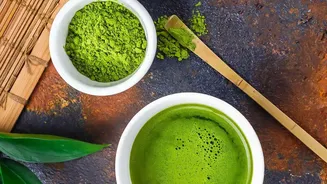
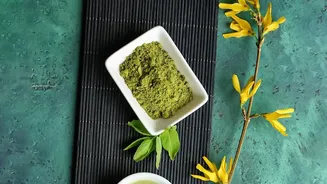
Walking into the world of matcha, you'll quickly encounter two main grades: ceremonial and culinary. Understanding the difference is key to a good experience. Ceremonial grade matcha is the highest quality, made from the youngest tea leaves. It has a vibrant green colour, a delicate, smooth flavour, and very little bitterness, making it ideal for drinking on its own with just water. Culinary grade matcha is made from older leaves, giving it a more robust and slightly bitter flavour. This isn't a sign of poor quality; it's designed specifically to stand up to other ingredients in lattes, smoothies, and baked goods. For your first attempts at making traditional matcha, starting with ceremonial grade is recommended.
A Simple Guide to Your First Bowl
Ready to make your first cup? The process is a simple ritual. Start by warming your matcha bowl (Chawan) with a splash of hot water and then drying it. Using your bamboo scoop (Chashaku) or a teaspoon, measure 1-2 grams of ceremonial grade matcha and sift it into the bowl. Add about 60-80 ml of hot, but not boiling, water (around 80°C is ideal). Now, take your bamboo whisk (Chasen) and begin whisking vigorously in a 'W' or 'M' shaped motion, not a circular one. Keep going for about 15-20 seconds until a fine, creamy froth covers the surface. And that's it. Your homemade matcha is ready to be enjoyed, allowing you to take a mindful moment for yourself.