


Understanding the Turnip's Bite
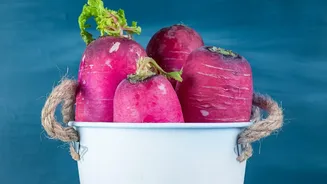
If you've ever bitten into a raw turnip, you've experienced its characteristic sharp, almost spicy flavour. For many, this translates to bitterness, earning the vegetable an undeservedly bad reputation. This pungent taste comes from compounds called glucosinolates,
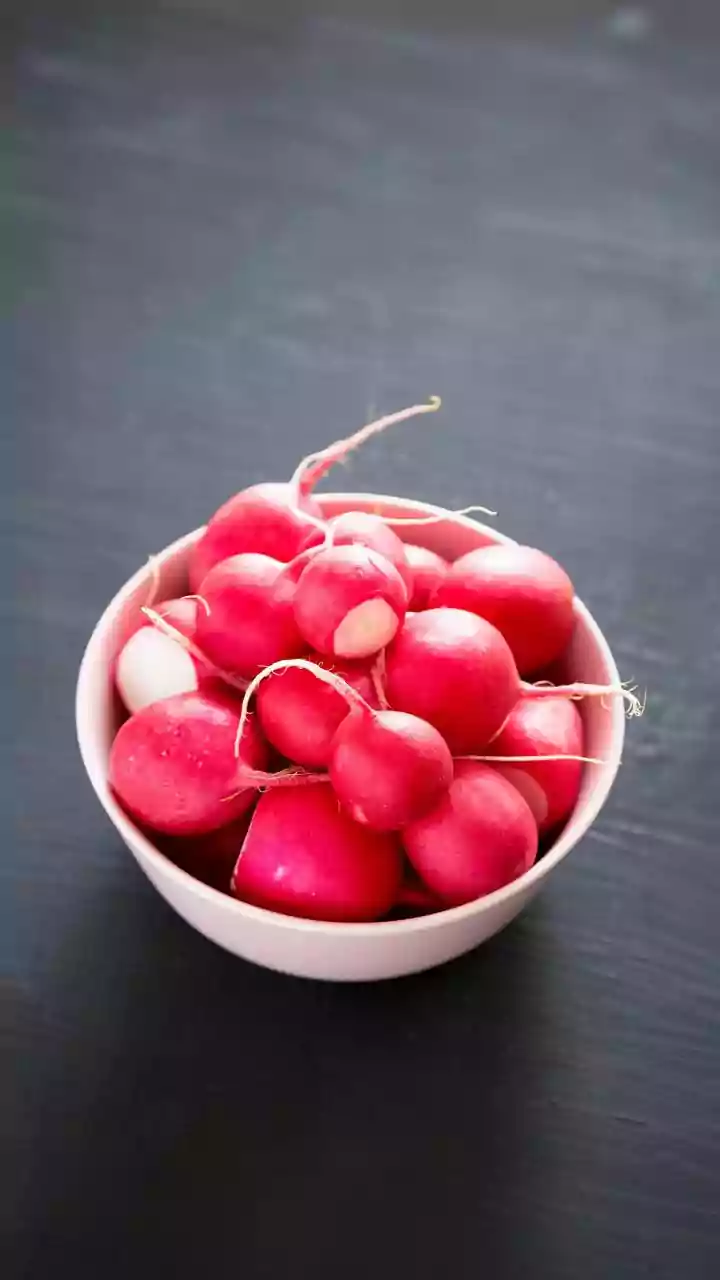
which are also found in other cruciferous vegetables like broccoli, cabbage, and radishes. These compounds are part of the plant's natural defence system. While some people enjoy this peppery kick, others find it overpowering, especially in larger or older turnips where the flavour can be more intense. Boiled turnips can sometimes retain this bitterness, leading to the soggy, uninspired side dishes of many childhood memories. But when you change the cooking method, you change the vegetable entirely.
The Culinary Magic of High Heat
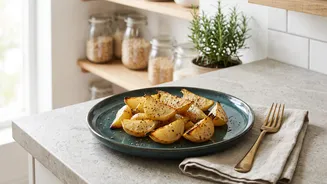
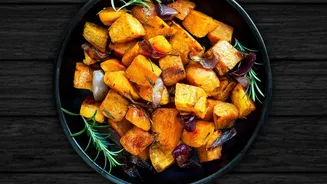
The secret to mellowing a turnip lies in dry, high heat. Roasting initiates two key chemical processes: caramelization and the Maillard reaction. Caramelization happens when the natural sugars within the vegetable break down under heat, creating sweet, nutty, and even butterscotch-like notes. This process is what gives roasted vegetables their familiar, comforting sweetness. The Maillard reaction is a more complex interaction between amino acids and sugars, responsible for the savoury, browned crust that makes roasted foods so irresistible. For turnips, this one-two punch is transformative. The heat not only breaks down the bitter-tasting glucosinolates but also converts the vegetable's starches into simpler sugars, which then caramelize. The result is a turnip that is soft and tender on the inside, with delightfully browned, sweet, and savoury edges.
How to Roast Turnips for Perfect Results
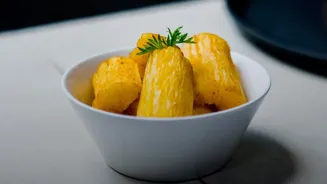
Achieving roasted turnip perfection is simple. The key is ensuring the pieces are uniform in size for even cooking. Start by selecting small to medium-sized turnips, which tend to be sweeter. While peeling is optional, it is often recommended for the best texture, as the skin can sometimes be tough. Cut the peeled turnips into 1-inch cubes. Toss them generously in a bowl with olive oil, ensuring every piece is lightly coated. This prevents them from drying out and helps them brown beautifully. Season simply with kosher salt and freshly ground black pepper. Spread the turnips in a single layer on a baking sheet, making sure not to overcrowd the pan. Roasting them at a high temperature, around 200–220°C (400–425°F), for about 30-40 minutes is ideal. You'll know they're done when they are tender enough to be easily pierced with a fork and have developed golden-brown, caramelized spots.
A Simple, Go-To Roasted Turnip Recipe
Ready to give it a try? Here is a basic recipe that lets the turnip's newfound sweetness shine. You will need: 4-5 medium turnips, peeled and cubed; 2 tablespoons of olive oil; 1 teaspoon of kosher salt; and ½ teaspoon of black pepper. Preheat your oven to 220°C (425°F). In a large bowl, toss the turnip cubes with the olive oil, salt, and pepper until they are evenly coated. Spread them onto a large, rimmed baking sheet in a single layer. Roast for 20 minutes, then use a spatula to flip the turnips. Continue roasting for another 10-15 minutes, or until they are tender and caramelized to your liking. Serve immediately as a delicious side dish that pairs well with everything from roasted chicken to steak.
Easy Flavour Upgrades and Variations
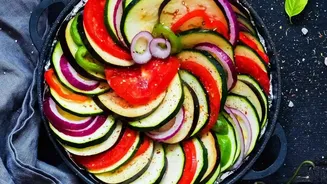
Once you've mastered the basic technique, roasted turnips become a canvas for other flavours. Before roasting, consider adding a teaspoon of garlic powder for a savoury undertone. Hearty dried herbs like rosemary or thyme are classic pairings that complement the turnip's earthy notes. For a bit of warmth, a pinch of nutmeg or smoked paprika works wonders. After they come out of the oven, you can toss them with a tablespoon of melted butter for richness or add a sprinkle of grated Parmesan cheese for a salty, umami finish. For a touch of extra sweetness, a drizzle of honey or maple syrup in the last few minutes of roasting creates a beautiful glaze. You can also roast them alongside other root vegetables like carrots and parsnips for a colourful and flavourful medley.