




Tokyo: Shinjuku Gyoen National Garden
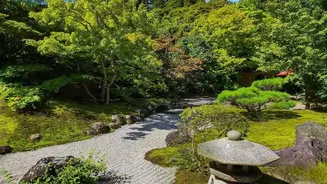
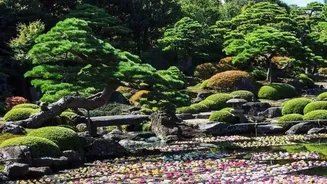
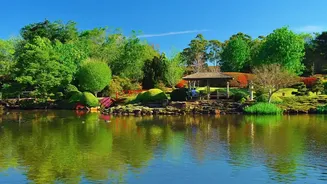
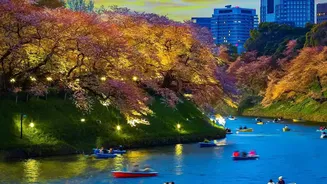
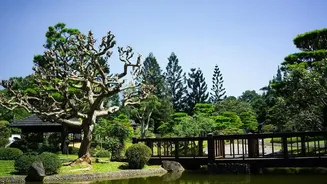
While hardly a secret, Shinjuku Gyoen is beloved by Tokyoites for its sheer variety and peaceful atmosphere. A short walk from the world's busiest train station, it features three distinct styles: a traditional Japanese garden with ponds and bridges,
a formal French garden, and an English landscape garden with wide, open lawns. Unlike other major parks, alcohol is prohibited, which helps maintain a tranquil vibe perfect for a quiet afternoon. Locals come here not for rowdy parties, but to read under a tree, sketch the scenery, or enjoy a picnic on the sprawling lawns. With over a thousand cherry trees of various species, it offers a longer and less crowded hanami (flower viewing) season than more famous spots. For a true local experience, enter through the less-crowded Sendagaya Gate and find a spot away from the main entrance.
Kyoto: Kyoto Gyoen National Garden
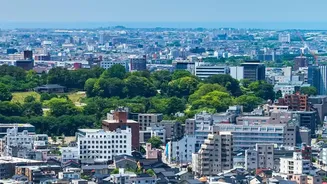
While tourists flock to Kyoto's temples, locals seeking open space head to Kyoto Gyoen, the vast park surrounding the Imperial Palace. This is not a meticulously manicured garden but a sprawling public space with broad gravel paths, ancient trees, and wide grassy areas perfect for a stroll or picnic. The atmosphere is quiet and uncrowded, offering an authentic glimpse into the city's slow life. You'll see residents walking their dogs, families playing, and individuals simply resting on benches. The park is rich in biodiversity, with around 50,000 trees and hundreds of species of plants and birds. While the Imperial Palace requires a tour, the surrounding Gyoen is free and open 24/7, making it an accessible escape at any time of day. For a peaceful morning, arrive early when the park is at its most serene.
Osaka: Utsubo Park
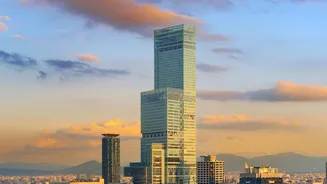
Stretching like a green runway through Osaka's business district, Utsubo Park has a unique history as a former airstrip. Today, it’s a chic urban oasis divided into two sections. The eastern side boasts the city's oldest rose garden, with over 3,000 flowers that create a fragrant spectacle in spring and autumn. The western side is home to a major tennis center that hosts international tournaments. Locals love this park for its sophisticated yet relaxed feel. The surrounding Kyomachibori neighborhood is filled with trendy cafes and bakeries, making it easy to grab a coffee and a pastry to enjoy on a park bench. It’s the perfect place to people-watch, enjoy the seasonal flowers, or just take a break from the commercial energy of Osaka.
Sapporo: Moerenuma Park
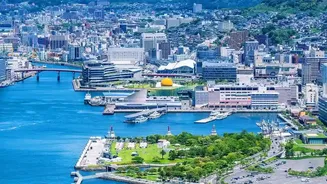
A masterpiece of landscape art, Moerenuma Park was designed by sculptor Isamu Noguchi with the concept that the entire park is a single sculpture. Transformed from a waste disposal site, this expansive park on the outskirts of Sapporo blends nature with striking man-made forms. Locals come here to interact with the art as much as the nature, climbing the 52-meter-high Mount Moere for panoramic views or exploring the iconic Glass Pyramid. In summer, families flock to Moere Beach, a shallow water play area, and the dynamic Sea Fountain puts on spectacular shows. During winter, the park's hills become popular spots for sledding and cross-country skiing. Renting a bicycle is a popular way to explore its vast and varied landscape in the warmer months.
Fukuoka: Ohori Park
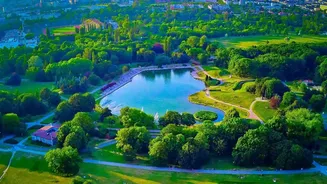
Located in the heart of Fukuoka, Ohori Park is a beloved city oasis centered around a large, picturesque pond that was once part of Fukuoka Castle's moat system. A nearly two-kilometer path circles the water, popular with joggers, cyclists, and people out for a leisurely stroll. Three small islands connected by elegant stone bridges cross the center of the pond, offering a tranquil shortcut and beautiful views. Locals rent swan-shaped paddle boats, relax in the lakeside cafes, or visit the traditional Japanese garden and art museum located within the park grounds. It’s a place of constant, gentle activity—a perfect example of how green space is woven into the daily fabric of city life in Japan.