




More Than Just a Holiday
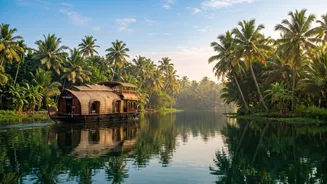
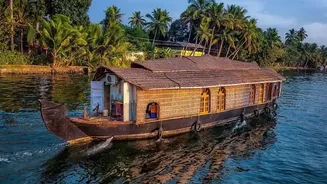
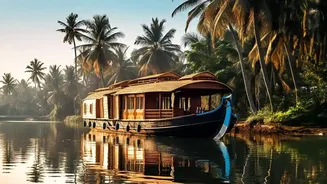
For decades, 'God's Own Country' has been a bucket-list destination, famed for its serene backwaters, lush tea plantations, and vibrant culture. Yet, beneath this picturesque surface lies a deeper, more significant story. Since 2007, Kerala has been pioneering
a form of tourism that puts people and the planet at its core. This isn't about asking tourists to sacrifice comfort; it's about enriching their experience by connecting them directly with the local culture and economy in a way that is respectful and mutually beneficial. The state’s Responsible Tourism (RT) Mission was founded to address the challenges of a growing tourism industry, aiming to ensure that economic benefits reached local communities and that the state's natural and cultural heritage was preserved, not degraded. This model connects hotels and tour operators with local farmers, artisans, and families, transforming tourism from a passive viewing experience into an active, participatory one.
Putting the 'Community' in Community-Based Tourism
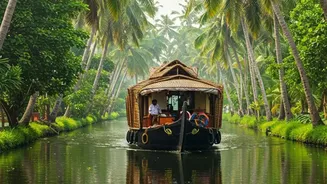
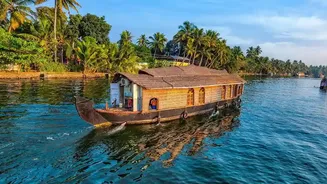
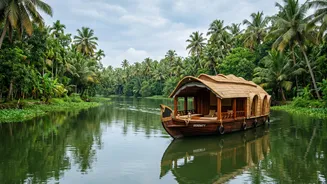
So, what does this look like in practice? It looks like a traveller learning to cook a traditional Syrian Christian meal in a family home in Kottayam instead of just eating at a hotel buffet. It's taking a canoe tour through the quiet canals of Maravanthuruthu, guided by the same villagers who worked to rejuvenate those waterways. It means buying spices directly from the farm where they were grown or purchasing a handcrafted souvenir from the artisan who made it. These initiatives are not small-scale experiments; they are part of a statewide network. As of 2026, Kerala has around 26,000 responsible tourism units, with approximately 80 percent operated by women, benefiting nearly 1.5 lakh families. Villages like Kumarakom and Kadalundi have won national awards for their community-centric models, proving that tourism can be a powerful tool for rural empowerment and economic stability.
A Blueprint for a Changing World
The principles behind Kerala’s model have become strikingly relevant in 2026. Global travel trends show a definitive shift away from crowded hotspots towards quieter, more meaningful journeys. Modern travellers are increasingly seeking authentic experiences, longer stays, and the assurance that their money is supporting local people and not just faceless corporations. This is exactly what the Responsible Tourism Mission has been building for years. The model’s emphasis on smaller-scale, dispersed tourism also helps mitigate the risk of over-tourism in popular spots by developing lesser-known destinations and creating new 'life experience trails' rooted in village life. This approach not only enhances the visitor experience but also builds resilience in the face of challenges like climate change and global volatility that can disrupt travel patterns.
Challenges and the Road Ahead
Of course, the path is not without its obstacles. Maintaining quality control across thousands of small units, preventing 'greenwashing' where sustainability is more of a marketing term than a practice, and ensuring infrastructure like roads and waste management keeps pace with growth are persistent challenges. The government continues to invest in training and plans to elevate the initiatives further, aiming to provide a major facelift to the program. The state has consistently won national and international awards for its efforts, including multiple ICRT Gold Awards and recognition at the World Travel Mart in London, which validates its leadership in the field. This ongoing recognition reinforces the model’s success and its role as a benchmark for other regions.