







The Promise of a Perfect Diet
The dream of personalised nutrition is a powerful one. Imagine an eating plan built not on generic advice, but on your specific DNA, lifestyle, and health goals. This is no longer science fiction. Today, artificial intelligence (AI) can generate weekly
meal plans and grocery lists based on your preferences, dietary needs, and how much time you want to spend cooking. Meanwhile, direct-to-consumer genetic tests claim to unlock secrets about how your body processes nutrients like caffeine or fats, guiding you toward a supposedly optimal diet. These technologies promise to take the guesswork out of healthy eating, offering a clear, customised path to wellness. For many, they can be a great starting point for building structure and breaking out of a food rut.
When More Becomes Too Much
Despite the promise, the reality of hyper-personalisation is often overwhelming. The sheer volume of data from apps tracking calories, macros, and sleep, combined with genetic reports and constant notifications, can create a state of 'digital fatigue'. Users can become buried in numbers, leading to an obsession with quantification rather than a healthy relationship with food. This information overload is made worse by the fact that different apps and tests can offer conflicting advice. One app might praise your high-protein breakfast, while another flags your blood sugar response. This complexity can leave you more confused than when you started, turning the quest for health into a stressful, full-time job.
The Optimisation Trap
This constant stream of data can foster an unhealthy pressure to be perfect. The 'gamification' used by many apps—awarding points for hitting targets and sending warning messages for 'bad' foods—can trigger feelings of guilt and anxiety. This creates a dynamic where you feel like you are in competition with the app, or even with yourself, to constantly eat less or 'better'. This mindset moves the focus away from internal cues like hunger and satisfaction and toward external validation from a device. Experts warn this can foster disordered eating patterns and disconnect us from our own bodies' natural signals. The pursuit of an 'optimal' diet can, ironically, become detrimental to your overall mental and emotional well-being.
Making Personalisation Work for You
So, how can you reap the benefits of this technology without the burnout? The key is to see personalisation as a helpful assistant, not a strict boss. Use AI meal planners for what they are good at: generating ideas and building grocery lists. But don’t follow their plans blindly. If a suggested meal doesn’t sound appealing or you’re not hungry, listen to your body. When using trackers, focus on patterns over single days. Instead of obsessing over hitting an exact calorie number, use the data to notice trends, like whether you are getting enough fibre or protein over the course of a week. Treat the information as a set of clues, not as a final grade on your health report card.
Rediscovering Timeless Truths
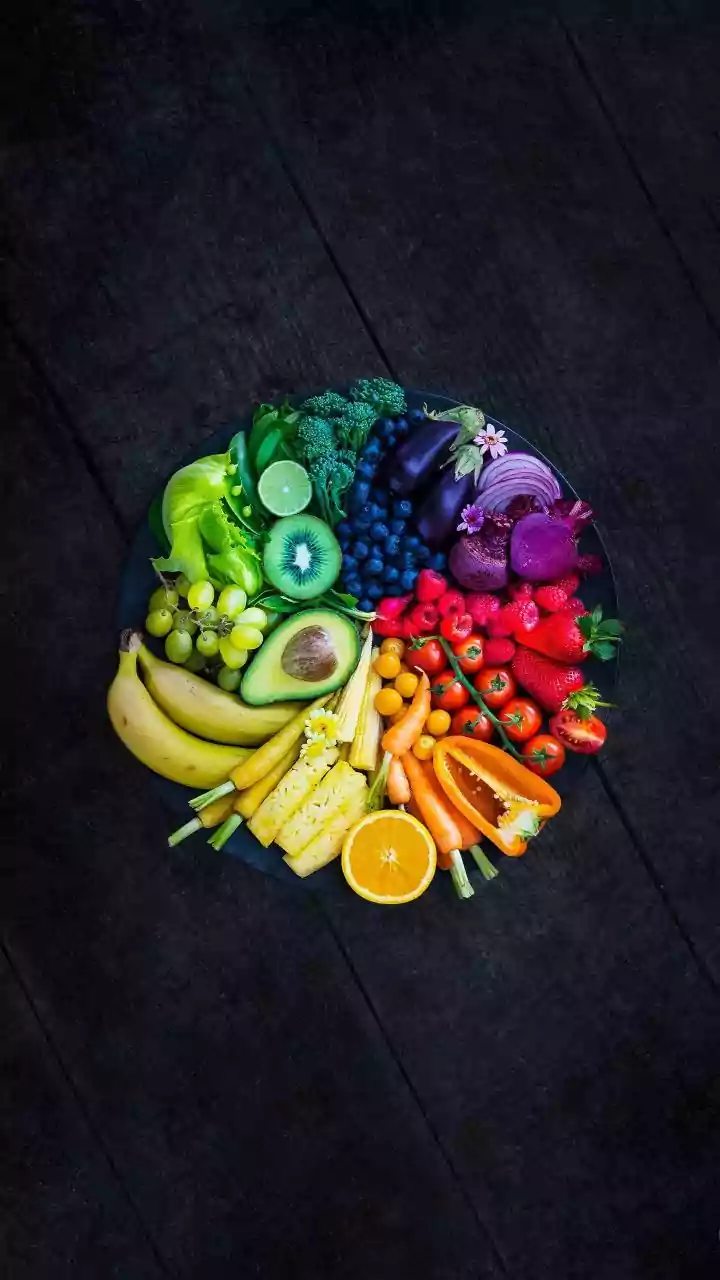
While technology evolves, the foundations of healthy eating remain remarkably consistent. No matter what a genetic test or app says, core principles like eating more whole foods, including a variety of fruits and vegetables, prioritising lean proteins, and staying hydrated are universally beneficial. These habits don't require complex tracking or expensive tests. The goal of personalisation should be to help you apply these principles in a way that fits your life, not to replace them with a complicated algorithm. Often, the simplest approach is the most sustainable. Focusing on adding more nutrient-dense foods, cooking more meals at home, and paying attention to how food makes you feel can be more effective than chasing perfect numbers on a screen.