


A Summit with a Clear Mission
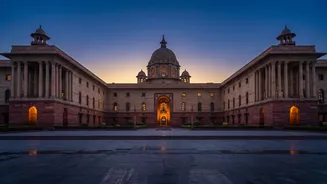
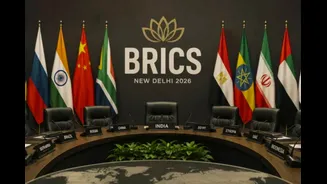
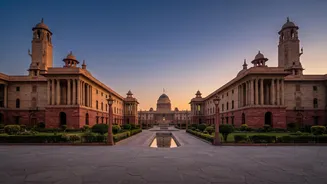
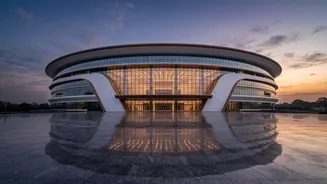
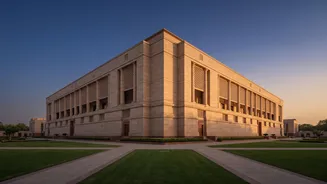
Hosted in New Delhi on September 12-13, the 2026 BRICS summit marks the 20th anniversary of the grouping's formation. India, holding the chairship for the fourth time, has set a pragmatic theme: “Building for Resilience, Innovation, Cooperation and Sustainability”.
This isn't just diplomatic jargon; it signals a coordinated effort by the now 11-member bloc—which includes Brazil, Russia, India, China, South Africa, and newer members like Egypt, Iran, and Saudi Arabia—to build a more integrated economic system. The goal is to leverage the group's collective weight, which already accounts for nearly 40% of global GDP, to create a more plural global economic order with greater options for developing nations.
Boosting Trade and Investment
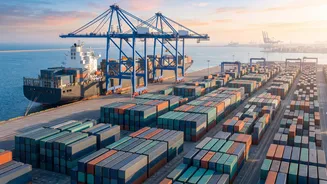
A central priority is to increase intra-BRICS trade, which, despite rising thirteen-fold to over $1.1 trillion since 2003, still only represents about 5% of global trade. To unlock this potential, leaders are advancing the 'Strategy for BRICS Economic Partnership 2030'. This plan covers everything from investment facilitation to services and the digital economy. A key component is promoting trade settlement in local currencies and integrating national payment systems, such as India's UPI, China's CIPS, and Brazil's Pix, through platforms like BRICS Pay. This reduces dependency on the US dollar and aims to make trade smoother and more resilient for member economies, with a particular focus on empowering small and medium-sized enterprises (MSMEs).
Financing a New Framework
The New Development Bank (NDB), the bloc's financial arm, is central to this vision. Under its 2022-2026 strategy, the NDB plans to provide $30 billion for infrastructure and sustainable development projects. A significant portion of this funding, around 40%, is dedicated to climate change mitigation and adaptation, reflecting a growing focus on green finance. During India's chairship, a major emphasis has been placed on using the NDB to mobilize private capital. By using its resources to reduce investment risks, the bank aims to attract private sector funding for critical projects in energy, transport, and digital infrastructure across member states.
Forging Resilient Supply Chains
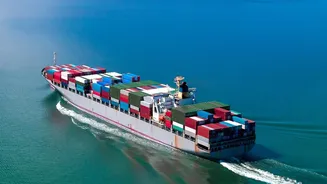
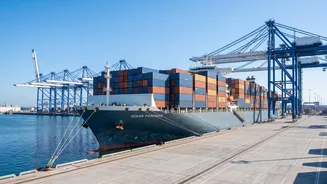
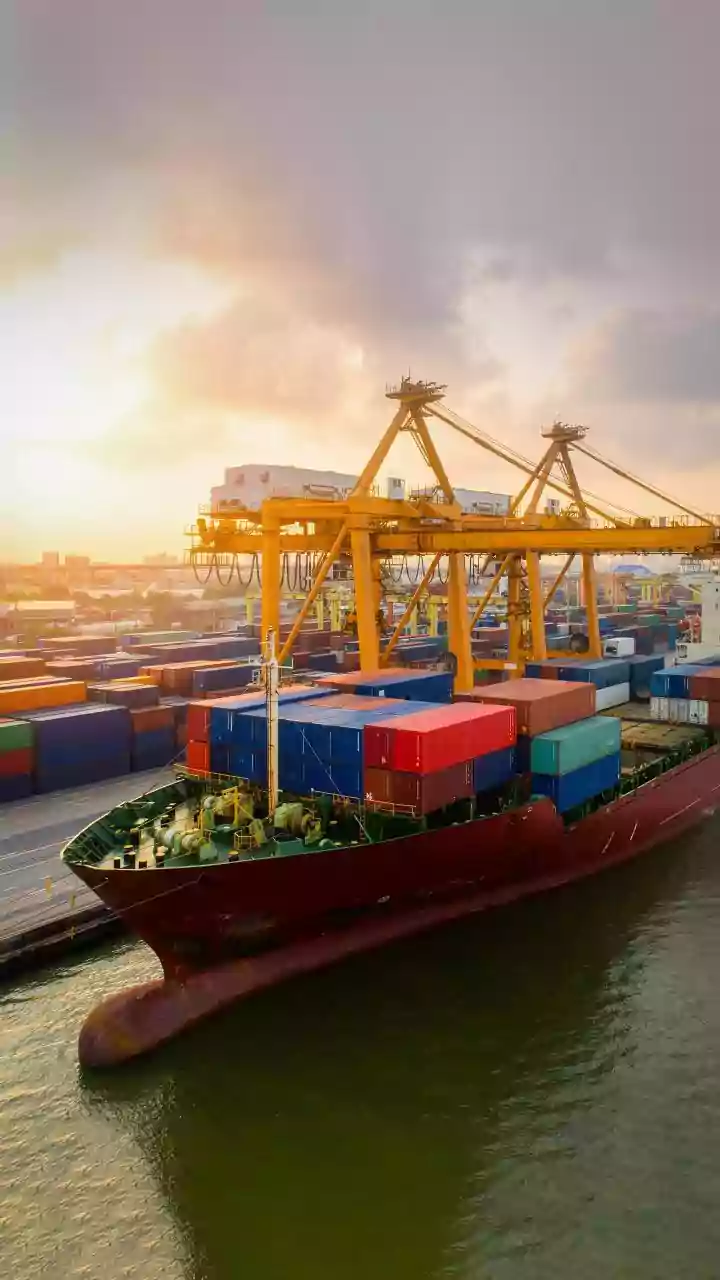
Recent global disruptions have exposed the fragility of traditional supply chains, making resilience a top priority for the BRICS nations. In response, the group is working on a 'BRICS Logistics Supply-Chain Cooperation Framework'. The idea is to create more diversified and efficient transport and logistics networks, reducing vulnerability to external shocks. This includes exploring alternative transport routes, such as the North-South International Transport Corridor, and using digital tools to streamline customs and port procedures. For India, this initiative is particularly relevant as it seeks to expand its manufacturing base and become a more integral part of global value chains.
The Technological Frontier
Technology and innovation are key pillars of India's agenda. Discussions at the summit are centred on cooperation in emerging technologies like artificial intelligence (AI), quantum computing, and the digital economy. One of the goals is to establish common principles for AI governance and ethics. Another is to leverage digital public infrastructure to improve service delivery and foster a knowledge-sharing ecosystem. Initiatives like a proposed BRICS MSME Cooperation Portal and a Startup Innovation Fund are designed to translate this high-level cooperation into practical benefits for businesses and innovators across the bloc.