



The Two Faces of Cinnamon
First, it's important to know there are two main players in the cinnamon world: Ceylon and Cassia. Ceylon cinnamon, primarily from Sri Lanka, is known as “true cinnamon.” It has a delicate, sweet, and complex flavour. Cassia is the more common and much
cheaper variety you’ll find in most supermarkets. It originates from countries like China, Indonesia, and Vietnam. Cassia is what most of us recognise as the classic cinnamon taste—strong, spicy, and a bit pungent. The biggest difference, however, is a compound called coumarin. Cassia contains high levels of coumarin, which can be harmful to the liver if consumed in large quantities regularly. Ceylon cinnamon, on the other hand, contains only trace amounts, making it a safer choice for daily use.
Using Packaging as a Detective Tool
This is where the packaging comes in. The label can provide your first and most important clue. If the package says “Ceylon cinnamon” or lists the botanical name Cinnamomum verum, you are likely looking at the real deal. The country of origin is another strong indicator. A product labelled “Product of Sri Lanka” is very likely to be Ceylon cinnamon. Conversely, if it simply says “cinnamon” and the origin is listed as China, Indonesia, or Vietnam, you are almost certainly holding Cassia. Most generic supermarket cinnamon is Cassia. So, if you're specifically seeking Ceylon for its milder flavour or lower coumarin content, checking the label for its specific name and origin is a crucial first step.
Why Origin Isn't a Guarantee
Unfortunately, the global spice trade is complex and not always transparent. Spice fraud is a real and profitable business where cheaper ingredients are substituted for more expensive ones. A product might be grown in one country, processed in another, and packaged in a third, making the “country of origin” label confusing. Sometimes, different cinnamon species are blended, or lower-quality Cassia is mislabeled as premium Ceylon. Furthermore, adulteration can occur where cinnamon powder is bulked up with fillers like starch or even sawdust. While regulators work to prevent this, fraudulent products can still make it to market shelves. This means that while a label claiming Sri Lankan origin is a good sign, it cannot be the only piece of evidence you rely on for 100% certainty.
Beyond the Label: Your Other Senses
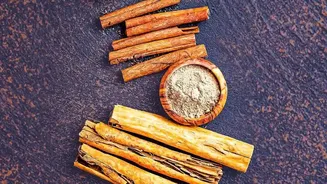
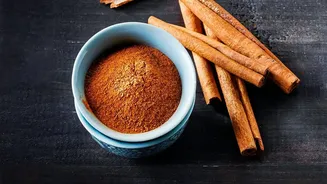
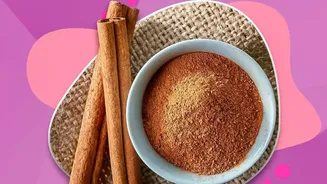
To truly become a savvy cinnamon buyer, you need to engage your other senses, especially if you buy whole sticks. Ceylon cinnamon sticks are composed of many thin, paper-like layers rolled together like a cigar; they are light brown and brittle. Cassia sticks, by contrast, are made of a single, thick layer of bark, are reddish-brown, and are much harder to break. The aroma also differs: Ceylon is soft and sweet, while Cassia is strong and pungent. Even taste provides a clue, with Ceylon being mild and slightly citrusy and Cassia delivering a much spicier, sometimes bitter kick. While it’s harder to tell with ground powder, the price is often a giveaway; true Ceylon cinnamon is significantly more expensive than Cassia due to its more laborious harvesting process and limited growing region.