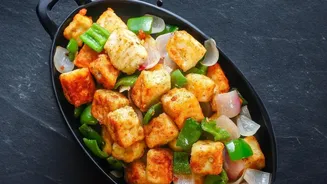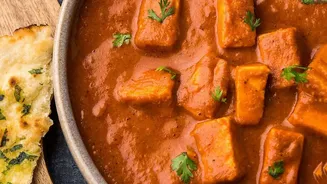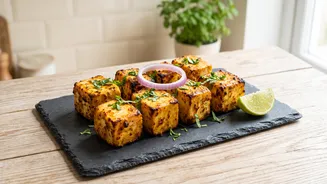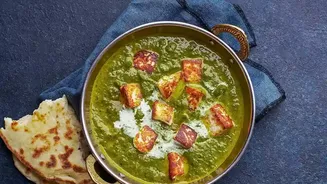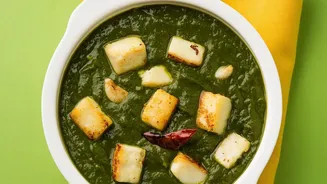







What is FSSAI Proposing?
The Food Safety and Standards Authority of India (FSSAI) has published a draft amendment that aims to restrict how the word 'paneer' can be used. The proposal suggests that the term should be exclusively reserved for products made from milk. If the rule
is finalised, products that are not derived from milk would be prohibited from using 'paneer' in their name, on their labels, or in any marketing materials. This move is designed to prevent consumers from being misled about the food they are purchasing and consuming.
The Rise of Analogue Paneer
The regulation targets what are known in the industry as 'analogue' products. Analogue paneer is a product designed to look, feel, and cook like traditional paneer but is made by replacing milk fat and milk solids, either partially or fully, with other ingredients. These often include vegetable oils, palm oil, starches, plant proteins, and various emulsifiers and stabilisers. The primary motivation for producing analogue paneer is often cost, as these ingredients are typically cheaper than milk solids. This has led to its widespread use, sometimes without clear disclosure to the customer, particularly in food service establishments like restaurants and catering.
Why The Push for Clarity Now?
The FSSAI's proposal comes amid growing concerns over food safety and consumer deception. Several states, including Maharashtra, Gujarat, and Telangana, have already taken action, banning the sale and manufacture of unstandardised analogue paneer. In some regions, lab tests revealed that a significant percentage of products sold as paneer were adulterated with vegetable fat. The FSSAI's draft regulation aims to create a uniform, nationwide standard. The core objective is to ensure that what you see on the label is what you get, allowing shoppers to make informed decisions based on accurate information.
How Does It Affect Consumers?
For consumers, the biggest change will be enhanced clarity. If the draft becomes law, you can be more confident that a package labelled 'paneer' contains a product made from coagulated milk, as per traditional standards. Health-wise, real paneer is a natural source of dairy protein and calcium. Analogue versions, depending on their formulation, can be higher in unhealthy fats and carbohydrates and lack the nutritional profile of their dairy counterparts. The new rules would also apply to restaurants and hotels, which would need to clearly state on menus if they are using a dairy analogue instead of real paneer.
It's A Draft, Not a Final Rule
It is crucial to understand that this is currently a draft proposal, not an active ban or final regulation. The FSSAI has invited comments and suggestions from the public and industry stakeholders for a period of 60 days following the notification. This consultation process is a standard step in forming new regulations. After the feedback period, the FSSAI will consider the input before making a final decision on the amendment. Therefore, while the direction is clear, the final form and implementation timeline are not yet set.