


The Real Cause of Uneven Skin Tone
Before we can talk about brightening, we need to understand what causes dullness and dark spots in the first place. The primary culprit is the sun. When your skin is exposed to the sun's ultraviolet (UV) rays—specifically UVA and UVB—it triggers a defense
mechanism. Specialised cells called melanocytes start producing more melanin, the pigment that gives your skin its colour. This melanin production is your skin's attempt to absorb harmful UV radiation and protect your cells' DNA from damage. However, this process isn't always perfect. Sometimes, the sun causes an uneven increase in melanin, leading to patchy discolouration, freckles, and dark spots known as hyperpigmentation. UVA rays, in particular, penetrate deep into the skin, contributing to both pigmentation and the breakdown of collagen, which leads to premature ageing.
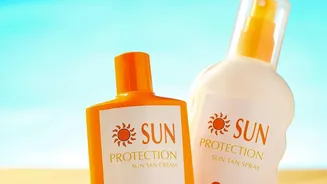
Sunscreen: Your First Line of Defence
This is where sun protection becomes the undisputed hero of your skincare routine. Think of it as prevention, not a cure. Using a broad-spectrum sunscreen with an SPF of 30 or higher is the single most effective step you can take to maintain an even, bright complexion. It works by creating a protective barrier that blocks or absorbs harmful UV rays before they can signal your skin to go into melanin-overdrive. Without this constant trigger from the sun, your skin can maintain its natural tone. Using brightening treatments without daily sunscreen is like trying to mop up a spill while the tap is still running full blast. You might make temporary progress, but the underlying cause of the problem is never addressed. Sunscreen stops the cycle, preventing existing spots from getting darker and dramatically reducing the formation of new ones.
The Allure of the Homemade Brightening Mask
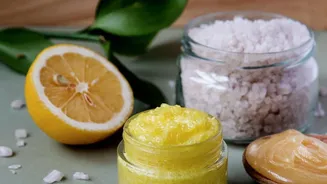
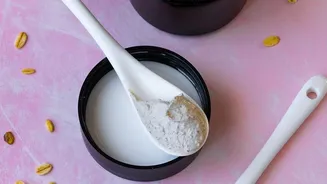
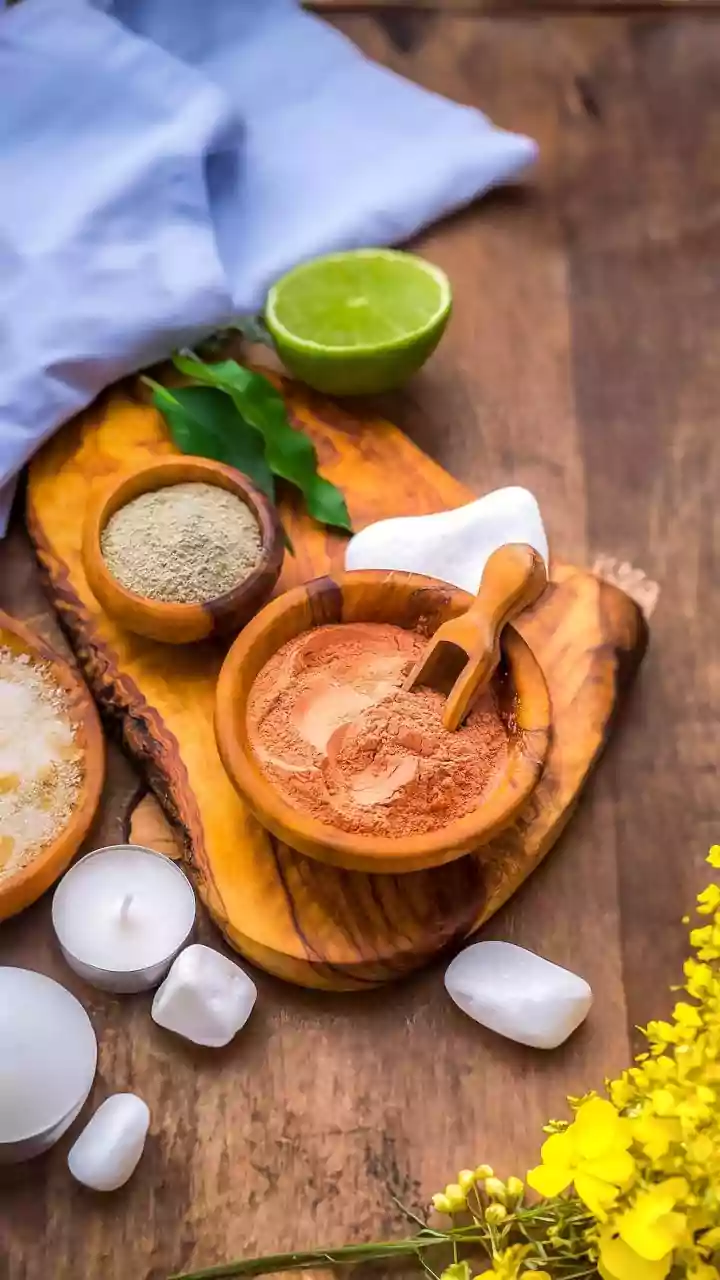
It's easy to see the appeal of a homemade mask. Ingredients like turmeric and lemon are celebrated in traditional wellness for their benefits. Lemon is rich in Vitamin C and citric acid, which can have an exfoliating effect, while turmeric's active compound, curcumin, is known for its anti-inflammatory and antioxidant properties. The idea of whipping up a quick, all-natural paste to reveal glowing skin is a tempting and affordable alternative to expensive serums. These DIY recipes promise to reduce dark spots, calm inflammation, and give your skin an instant glow. But while the intention is good, the results—and risks—can be complicated.
Where DIY Solutions Fall Short
The truth is, homemade masks are not a reliable solution for hyperpigmentation and can sometimes do more harm than good. For one, the concentration of active ingredients is inconsistent. More importantly, some ingredients pose direct risks. Lemon juice is highly acidic and can cause significant skin irritation. Worse, it can lead to phytophotodermatitis, a painful skin reaction that occurs when chemicals on the skin are exposed to sunlight, ironically causing the very pigmentation you're trying to fix. Turmeric, while beneficial in many ways, can cause contact dermatitis in sensitive individuals and, more commonly, leave a temporary yellow stain on the skin. Clinical evidence supporting the brightening effects of homemade masks is very limited. Any minor brightening you might see is often temporary and immediately undone by even a small amount of unprotected sun exposure.
The Winning Strategy for Radiant Skin
The most effective approach for a clear, even complexion is built on a foundation of protection. Daily, consistent use of a broad-spectrum sunscreen is non-negotiable. This is especially true for Indian skin tones, which, despite having more protective melanin, are highly prone to hyperpigmentation from UV rays and even visible light. In fact, experts often recommend tinted sunscreens containing iron oxides for pigment-prone skin, as they provide better protection against visible light. Once you have a solid sun protection habit, you can then incorporate professionally formulated treatments to address existing spots. Serums containing ingredients like Vitamin C, Niacinamide, or Tranexamic Acid are designed to be stable, effective, and safe for skin—working with your sunscreen, not against it. But without that daily SPF, these powerful ingredients are fighting a losing battle.