




The Simple Math Driving the Switch
For millions of Indians, the decision to go electric is less about environmental ideals and more about simple economics. The total cost of ownership (TCO) is the key metric, and it heavily favours electric models for daily commuters. While the initial
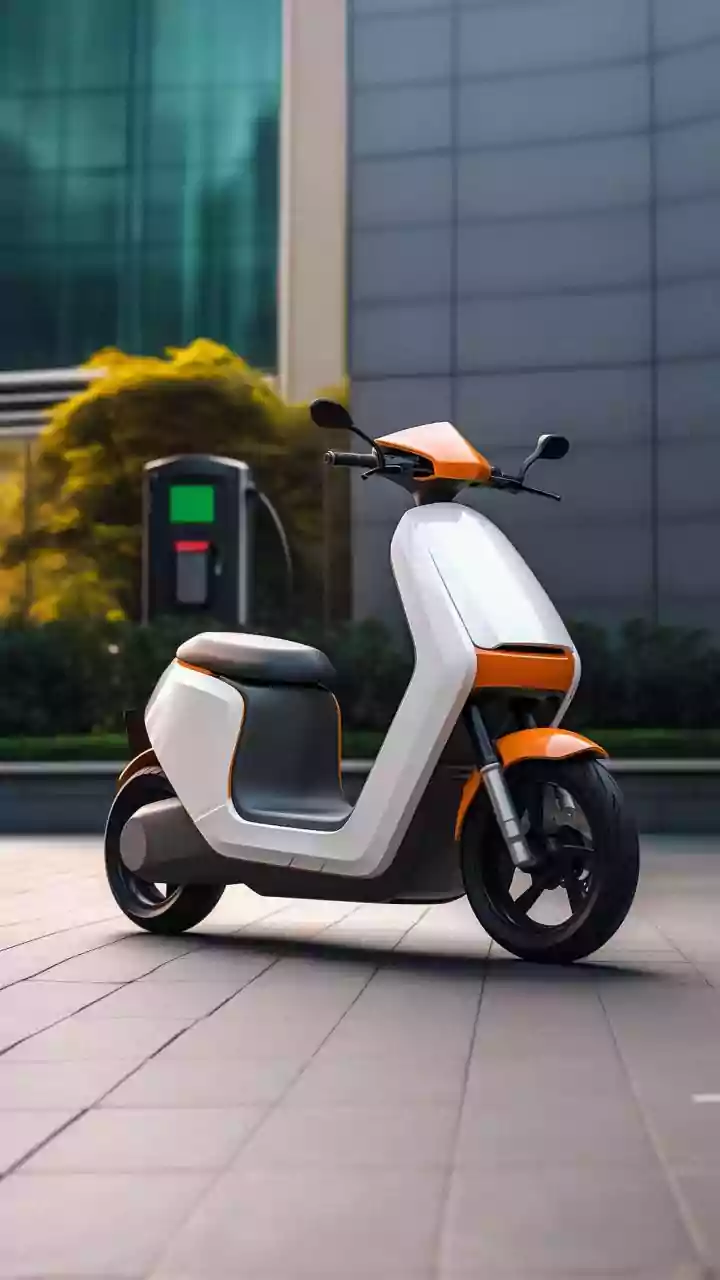
purchase price of an electric scooter can be higher than a comparable petrol model, the gap has narrowed significantly. A petrol scooter costs roughly ₹2 to ₹2.5 per kilometre to run, considering fuel prices. In stark contrast, an electric scooter's running cost is a fraction of that, often as low as ₹0.20 to ₹0.30 per kilometre when charged at home. For a rider covering 30-40 kilometres daily, this translates into thousands of rupees saved every month on fuel alone. When you add lower maintenance costs—since EVs have far fewer moving parts than internal combustion engines—the financial argument becomes almost undeniable for the average city rider.
A Push from the Government
The government's role in this transition cannot be overstated. Schemes like FAME (Faster Adoption and Manufacturing of Electric Vehicles) have been pivotal. The FAME-II scheme, which concluded in March 2024, provided significant upfront subsidies that made electric two-wheelers more affordable for the masses. By the end of the program, over 1.4 million electric two-wheelers had been sold with the help of these subsidies. Although revisions and reductions in the subsidy amount created some market instability, the policy was crucial in kickstarting the adoption wave. Many state governments have offered additional incentives, such as waiving road tax and registration fees, further sweetening the deal for prospective buyers. These policies effectively lowered the entry barrier, making the long-term economic benefits accessible to a much wider audience.
The Predictable Commute: The Perfect Use Case
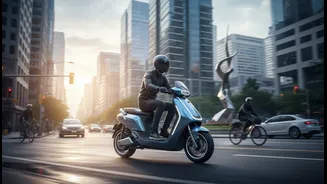
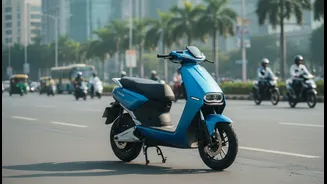
The typical urban commute is the ideal scenario for the current generation of electric scooters. Range anxiety, a major concern for potential EV car buyers, is far less of an issue for two-wheeler commuters with predictable daily routes of 20-50 kilometres. Most modern electric scooters offer a real-world range of 80-120 km on a single charge, which is more than enough for daily travel. The behavioural shift is from weekly trips to the petrol pump to nightly charging at home, much like a smartphone. This eliminates reliance on the still-developing public charging infrastructure, which remains a significant hurdle for widespread EV adoption. For the daily commuter, their home is their primary filling station, making the experience convenient and reliable. This suitability for short-distance travel is a key reason why scooters and mopeds dominate the EV two-wheeler market in India.
Beyond the Commute: Challenges on the Road Ahead
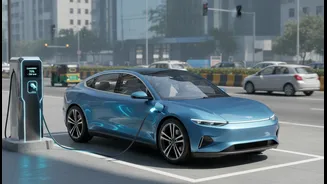
While the daily commute has ignited the boom, the industry faces challenges to sustain this growth. The high upfront cost remains a barrier for many, even with subsidies. The lack of widespread and reliable public charging infrastructure is a major deterrent for those without dedicated parking spots or for riders who need to travel longer distances. Furthermore, consumer concerns about battery longevity, replacement costs, and safety persist, fueled by isolated incidents of battery fires. The service network for EVs is also yet to match the extensive reach of conventional petrol scooter mechanics. For the market to expand beyond the urban commuter and tap into rural areas and long-distance travel, addressing these infrastructure, cost, and trust issues will be critical for manufacturers and policymakers.