

The Current Situation: A Tale of Two Nepals
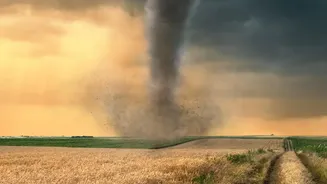
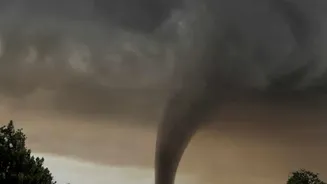
On August 26, a catastrophic flash flood, believed to have been caused by a glacier collapse or landslide, surged down the Bhote Koshi and Trishuli river systems. The disaster has primarily devastated communities in the Rasuwa, Nuwakot, and Dhading districts
north of Kathmandu, destroying roads, bridges, and homes. Rescue and recovery operations are ongoing in these specific corridors. However, it is crucial for travellers to understand that this is not a nationwide shutdown. Most other parts of Nepal, including the popular Everest and Annapurna trekking regions, were not in the flood's path and remain largely unaffected and accessible. Kathmandu's Tribhuvan International Airport is operating normally for both domestic and international flights.
Which Areas Are Directly Affected?
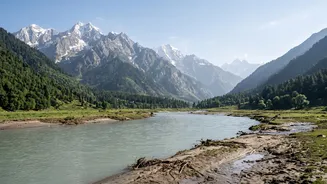
The core of the damage is concentrated along the river corridors that flow from the Nepal-China border. The Rasuwa district, home to the Langtang trekking region and the Rasuwagadhi border crossing, is the most severely impacted area. Travel to and within this district is currently impossible, with major access roads and trails destroyed. The damage also extends downstream into parts of Nuwakot and Gorkha districts. Several governments have issued advisories urging citizens to reconsider travel to these specific flood-affected zones. The Langtang trek, which begins in this area, is inaccessible for the foreseeable future.
Is It Safe to Trek in the Annapurna and Everest Regions?
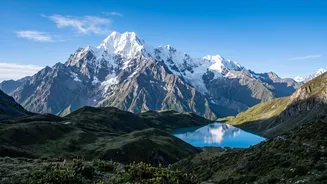
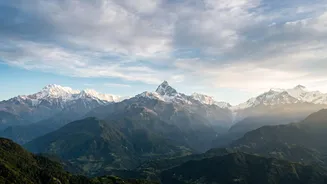
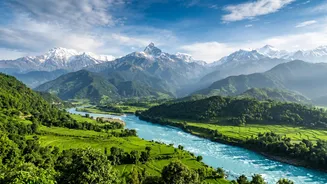
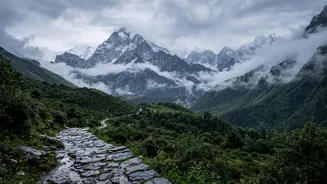
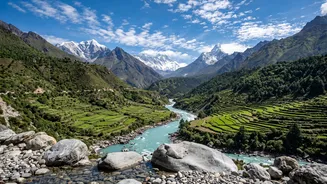
Yes, for the most part, Nepal's most famous trekking circuits remain open and safe. The Trekking Agencies' Association of Nepal (TAAN) has confirmed that both the Everest and Annapurna regions were not directly affected by the August 26 floods. Treks to Everest Base Camp, Gokyo Lakes, Annapurna Base Camp, and the Annapurna Circuit are considered viable for the autumn 2026 season. However, even in unaffected areas, the monsoon's tail end means trails can be wet and the risk of localized landslides persists. Weather can change rapidly, and domestic flight schedules to trekking hubs like Lukla can be unreliable. Constant communication with a reputable local guide or trekking agency is essential.
So, Should You Cancel Your September Trip?
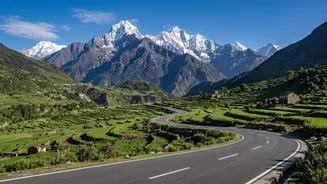
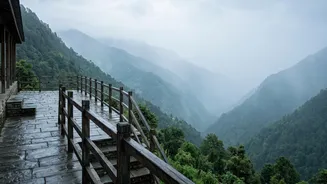
The answer is nuanced and depends entirely on your itinerary. If your plans were focused on the Langtang Valley or overland travel to Tibet via Rasuwagadhi, your trip will need to be cancelled or radically changed. If, however, you planned to trek in the Everest or Annapurna regions, or explore the Kathmandu and Pokhara valleys, your trip is likely still feasible with some added precautions. September is a transitional month; while early September can still see lingering monsoon rains, conditions typically improve dramatically by mid-month, offering lush green landscapes and clearer skies. The key is flexibility and a willingness to adapt.
Essential Tips for Safe and Responsible Travel
For those proceeding with their trips, caution and preparedness are paramount. First, confirm every leg of your journey with local operators right before you travel, as conditions on roads and trails can change quickly. Second, ensure your travel insurance explicitly covers trip cancellations, delays, and medical evacuation due to natural disasters. Third, build buffer days into your itinerary to account for potential travel disruptions. Finally, hiring a licensed local guide is more important than ever. They possess invaluable, real-time knowledge of trail conditions and can make critical safety decisions, ensuring your adventure is both safe and supportive of the local economy during a difficult time.