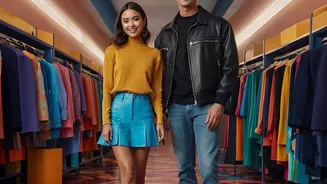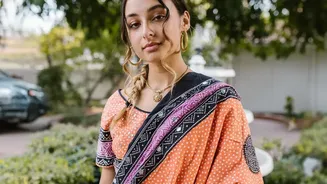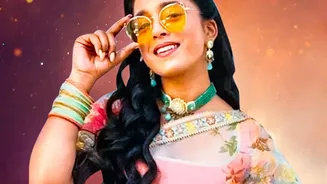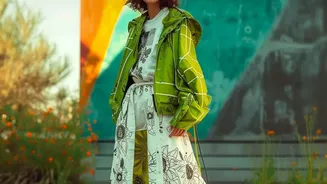


What Exactly Is Fusion Wear?
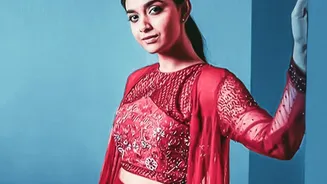
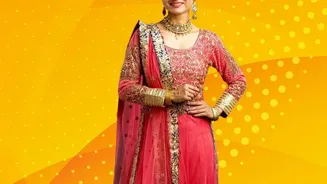
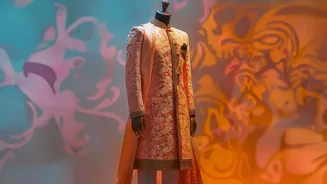
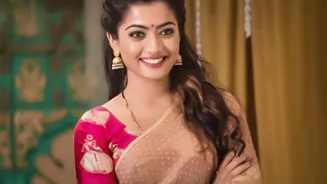
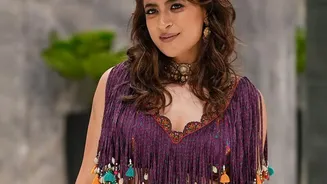
At its heart, Indian fusion wear—often called Indo-Western—is a creative blend of traditional Indian garments and Western-style clothing. It’s more than just mixing and matching; it's a thoughtful reinterpretation of silhouettes, fabrics, and occasions.
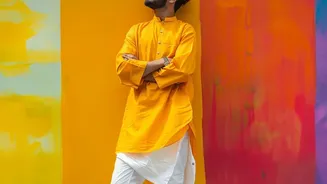
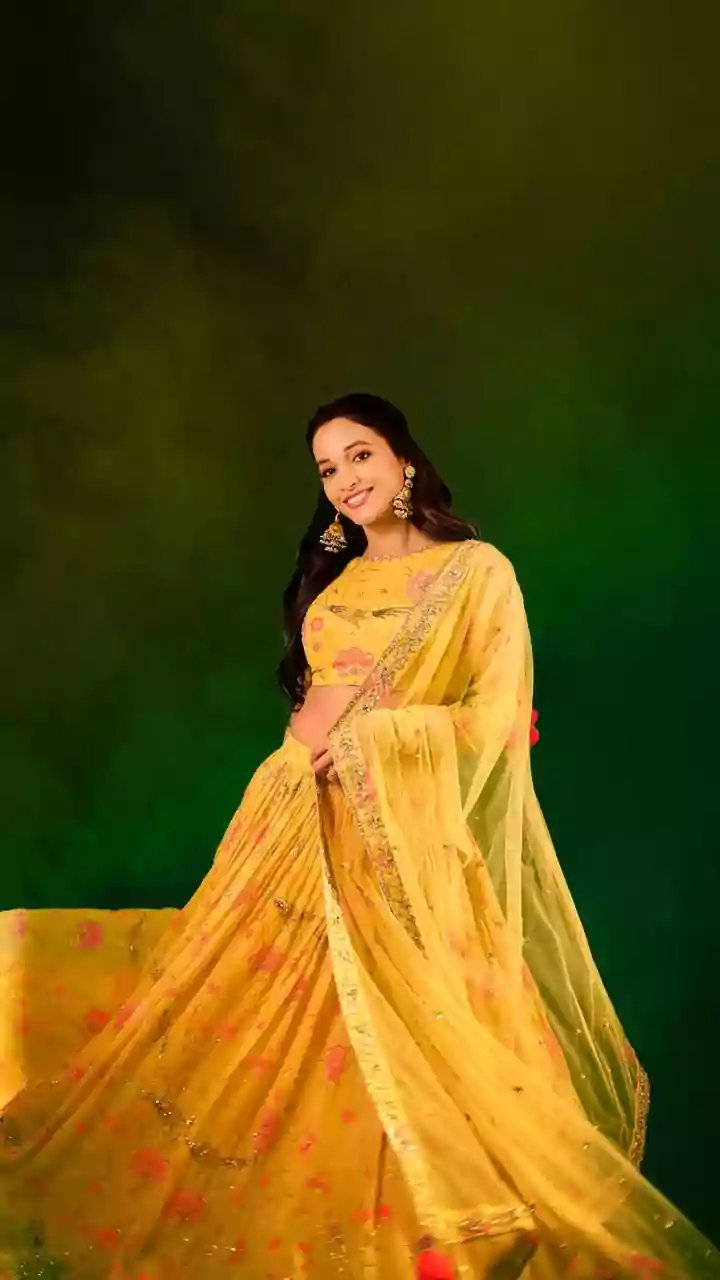
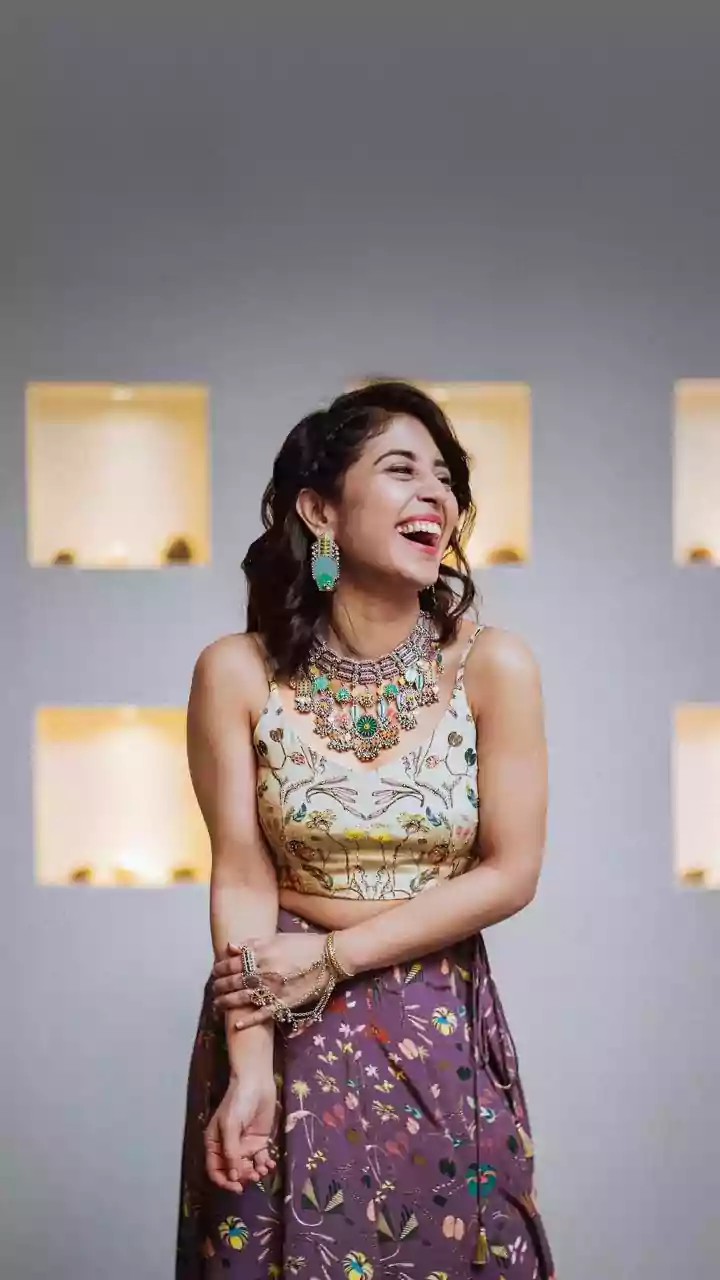
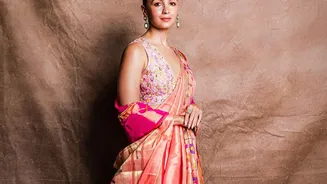
Think of it as a design conversation between two worlds. This could manifest as a pre-draped saree gown that offers the elegance of a saree without the complex pleating, a classic kurta paired with distressed denim, or a heavily embroidered skirt from a lehenga set worn with a simple tank top. The goal is to make traditional elements more accessible, comfortable, and versatile for a contemporary lifestyle, breaking free from the idea that ethnic wear is only for weddings and festivals.
The Gen Z Effect: Individuality Over Formality
So, why is Gen Z at the forefront of this movement? Previous generations often viewed traditional attire through a lens of conformity and occasion-based duty. For Gen Z, fashion is a primary tool for self-expression. This digitally native, culturally confident generation isn't bound by the old rules. They prioritize comfort, personalization, and sustainability. Fusion wear fits this mindset perfectly. It allows them to connect with their heritage on their own terms, creating looks that are unique and personal. Instead of seeing ethnic wear as a heavy, formal uniform, they see its components—the textiles, the prints, the craftsmanship—as exciting ingredients for a modern wardrobe.
The Instagram Feed as the New Runway
Social media platforms like Instagram and TikTok are the engines of the fusion wear trend. A single viral Reel can democratize a new way to drape a dupatta or style a kurta, spreading inspiration instantly across the country. Influencers and everyday creators showcase an endless stream of innovative pairings, from styling a traditional Banarasi skirt with a leather jacket to turning a mother's old silk saree into a chic co-ord set. This visual-first culture encourages experimentation and gives young Indians the confidence to try new combinations. It has effectively dismantled the old, top-down fashion system, where trends were dictated solely by designers, and replaced it with a dynamic, peer-to-peer exchange of ideas.
Not A Rejection, But A Remix
It’s crucial to understand that this trend isn't a rejection of Indian culture; it's a re-engagement with it. Gen Z is actively seeking out heritage crafts like block printing, handloom textiles, and traditional embroidery, but they are giving them a new context. By pairing an artisan-made top with everyday jeans, they are bringing visibility to these crafts and supporting their continuation. This approach keeps traditional skills relevant and provides a sustainable alternative to fast fashion. It's a movement that honors the past while looking confidently to the future—a way to be proudly Indian in a globalized world. The result is a fashion landscape that is more personal, experimental, and meaningful.