


1. The Vibrant Carrot
Carrots are perhaps the easiest and most versatile root vegetable to add to rice. Their inherent sweetness pairs beautifully with the savoury spices of a good pulao or the simple saltiness of fried rice. Finely dicing or grating them allows them to cook
quickly and integrate seamlessly into any rice dish. Beyond their sweet taste and pleasant crunch, carrots are famously rich in beta-carotene, which the body converts into Vitamin A, essential for healthy vision and a strong immune system. They also provide a good dose of dietary fibre, which helps in digestion and adds bulk to your meal, making it more satisfying. For a quick meal, simply sauté grated carrots with cumin seeds and onions before adding your soaked rice and water. The carrots will lend a beautiful orange hue and a subtle sweetness that even children will love.
2. The Earthy Beetroot
Don't be intimidated by its potential to stain everything pink; beetroot is a nutritional powerhouse that can transform your rice into a visual and culinary delight. Its deep, earthy flavour provides a wonderful contrast to the mildness of rice. Grated or finely chopped beetroot can be used to make a stunning beetroot pulao. Beyond its striking colour, beetroot is packed with essential nutrients and is known for containing dietary nitrates, which may help in managing blood pressure. To prepare, you can either grate raw beetroot and sauté it with spices like cumin, coriander powder, and green chillies before mixing in cooked rice, or you can cook diced beetroot along with the rice in a pressure cooker. The result is a brilliantly coloured dish that is as healthy as it is beautiful.
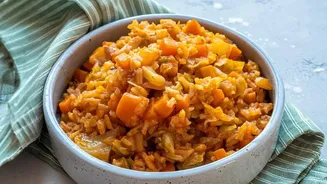
3. The Comforting Sweet Potato
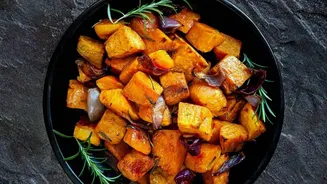
Often seen as a healthier alternative to regular potatoes, sweet potatoes bring a creamy texture and a comforting, mild sweetness to rice dishes. They are an excellent source of fibre, vitamins, and minerals, making them a fantastic addition to a one-pot meal. Cubed sweet potatoes hold their shape well when cooked, making them ideal for a hearty vegetable pulao or a simple, comforting khichdi. Their natural sweetness means you don’t need to add many other ingredients to create a flavourful dish. For an easy one-pot meal, sauté onions and whole spices, add cubed sweet potatoes, and cook along with rice in a pressure cooker. The sweet potato softens to a lovely, tender consistency that makes the entire dish feel more substantial and wholesome.
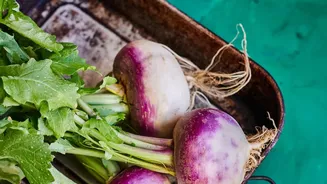
4. The Peppery Turnip (Shalgam)
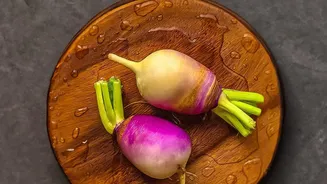
Turnips, or 'shalgam', are a winter vegetable in India that deserve more attention. When cooked, their slightly pungent, peppery flavour mellows into a pleasant, sweet taste that pairs wonderfully with lentils and rice. Turnips are low in calories but rich in nutrients like Vitamin C and fibre, which aids digestion. They can be diced and added to vegetable pulao or even cooked with dal and rice to make khichdi. A simple way to incorporate them is to make a turnip and potato stir-fry to serve alongside rice. To add them directly to a rice dish, peel and dice the turnip and sauté it with ginger, garlic, and your favourite masalas before adding rice and water. This cruciferous vegetable adds a unique depth of flavour that is both surprising and delicious.
5. The Pungent Radish (Mooli)
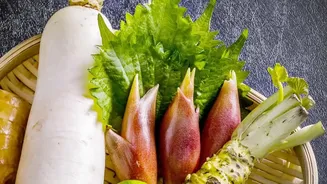
While often enjoyed raw in salads, radish (or mooli) can be a fantastic cooked vegetable. Its sharp, peppery taste mellows significantly upon cooking, taking on a subtle sweetness. Radish is used in various Indian dishes, from curries to parathas. Adding grated or thinly sliced radish to a simple tadka rice or a hearty sambar rice can introduce a new layer of flavour and texture. In many South Indian households, radish is a common ingredient in sambar, which is then eaten with rice. For a simple stir-fry, sautéing radish with basic spices and mixing it with cooked rice makes for a quick and easy meal. Rich in antioxidants and minerals, radish is excellent for digestion and adds a satisfying element to otherwise plain rice dishes.