




A Sky-High Solution to Gridlock
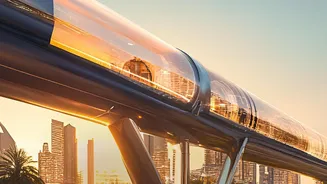
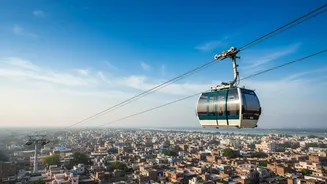
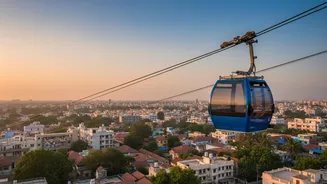
For anyone who has navigated the chaotic streets of Varanasi, the idea of floating above the gridlock is a powerful dream. The Kashi Ropeway project aims to make that a reality. This state-of-the-art cable car system will connect the Varanasi Cantt railway
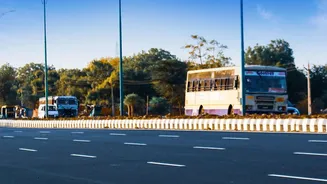
station with Godowlia Chowk, the bustling entry point to the Kashi Vishwanath Temple and the ghats. Spanning approximately 3.75 kilometres, this aerial route was chosen after plans for a metro system were deemed unfeasible due to the city's soil conditions and the risk of large-scale demolition in heritage zones. Instead of fighting for space on the ground, the ropeway soars above, a futuristic solution for one of the world's oldest living cities.
The 16-Minute Miracle
The project's main selling point is a dramatic reduction in travel time. The journey from Cantt station to Godowlia, which can currently take anywhere from 45 to 60 minutes by road—and even longer during festivals—is expected to be completed in just 15 to 17 minutes. With modern, 10-seater gondolas arriving at stations frequently, the system is engineered for speed and efficiency. For millions of pilgrims, tourists, and daily commuters, this promises a predictable, stress-free journey, transforming their experience of arriving in the holy city. It is a significant leap, aiming to reduce travel time by nearly 65 percent.
The Bottleneck on the Ground
Here’s the catch. While the ropeway itself is fast, its ability to save time for everyone depends entirely on its capacity. The system is designed to handle an impressive 3,000 passengers per hour in each direction. This translates to a potential daily ridership of over 96,000 people. However, Varanasi attracts an estimated seven crore visitors annually. During peak pilgrimage seasons and major festivals, the number of people heading towards the temple corridor can surge dramatically. If demand at the ropeway stations exceeds the hourly capacity, the result is inevitable: queues. The very congestion the ropeway is designed to bypass in the air could simply re-emerge on the ground as people wait their turn to board.
Lessons from Other Pilgrimages
Managing massive crowds is not a new challenge for India's pilgrimage centres. Places like Vaishno Devi and Kedarnath already use ropeways to manage the flow of devotees, with systems designed to carry thousands of people per hour. These sites offer valuable lessons in crowd control, ticketing systems, and managing expectations. The success of the Kashi Ropeway will depend on implementing a similarly robust ground management strategy. Will there be timed booking slots to manage the rush? How will the stations handle sudden surges in passengers arriving from a full train? The efficiency of the boarding process at Cantt, Vidyapeeth, and Rath Yatra stations will be just as crucial as the speed of the gondolas themselves.
More Than Just a Ride
Ultimately, the ropeway is more than just a mode of transport; it's a new experience. It offers a clean, quiet, and scenic journey with panoramic views over Kashi's rooftops and temples. This in itself is a valuable addition to the city's tourism landscape. However, the core promise is a practical one: saving time and hassle. While the engineering is world-class, provided by Swiss experts, the project's true test will be its integration into the complex human fabric of Varanasi. It represents a bold attempt to balance heritage preservation with modern infrastructure needs.