


A Shift Beyond the Scenery
Modern travellers, especially after the pandemic, are increasingly seeking more than just a pretty picture. They want connection, authenticity, and the sense of making a positive impact. This global trend aligns perfectly with Kerala’s new direction.
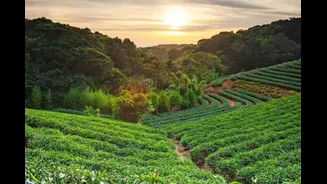
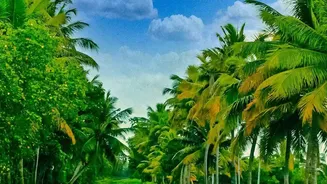
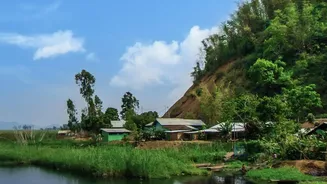
The state's tourism sector is strategically moving to showcase its soul, which resides not just in its iconic landscapes but in its tranquil villages, rich traditions, and the daily lives of its people. This approach offers a quieter, more profound experience, away from crowded tourist hubs, allowing visitors to forge genuine connections with the local culture and community. It’s a response to a growing desire for meaningful travel that benefits both the visitor and the host.
The Responsible Tourism Blueprint
The driving force behind this transformation is the state’s award-winning Responsible Tourism (RT) Mission. Launched with the goal of making tourism a tool for empowering local communities, the mission focuses on a triple bottom line: economic, social, and environmental responsibility. The core idea is simple yet powerful: ensure that tourism revenue directly benefits the local population. This is achieved by creating 'Village Life Experience' packages that involve public participation, support farmers and artisans, and preserve traditional jobs. The mission trains community tour leaders, helps set up homestays, and connects hotels with local producers for supplies, ensuring that the economic benefits of tourism stay within the village. This model has gained international acclaim, winning numerous awards and setting a benchmark for sustainable tourism in India.
What a Village Experience Looks Like
So, what does a day in a Keralan village actually involve for a tourist? It is an immersion into a slower, more deliberate way of life. Travellers can join fishermen on their traditional canoe cruises, learn the intricate art of coir (coconut fibre) weaving from local women, or try their hand at casting Chinese fishing nets. Activities often include visits to paddy fields, watching toddy tappers at work, taking part in cooking demonstrations using farm-fresh ingredients, and witnessing vibrant local art forms like Kathakali or Theyyam in their authentic settings. These are not staged performances but genuine glimpses into the cultural heartbeat of the community, offered by the villagers themselves.
Pioneering Villages Leading the Way
Several villages have emerged as shining examples of this new model. Kumbalangi, near Kochi, was India’s first designated eco-tourism village, a project started in 2003 to transform the island into a model tourism spot. More recently, Aymanam, the village made famous by Arundhati Roy's novel 'The God of Small Things', was declared a model Responsible Tourism village. Here, visitors can explore the landscape that inspired the Booker Prize-winning book while engaging with a community trained in sustainable tourism practices. Another success story is Maravanthuruthu, which launched the innovative 'Water STREET' project. This initiative revived local canals and waterways, creating unique experiences for tourists while improving water security for residents, and even won an award at the World Travel Mart in London.
A Sustainable and Inclusive Future
This focus on village experiences is more than just a tourism trend; it's a strategic pillar for Kerala's future growth. It creates sustainable livelihoods, helps curb urban migration by providing jobs in rural areas, and empowers women, who are often at the forefront of running homestays and craft units. By giving economic value to traditional practices, the model also ensures that priceless cultural heritage and craft skills are passed down to the next generation. As Kerala's tourism sector continues its strong post-pandemic recovery, with domestic tourism numbers already surpassing pre-pandemic levels, these responsible, community-led initiatives are proving to be both resilient and highly appealing. Over 1.5 lakh families are now part of the Responsible Tourism Mission's activities, showcasing a future where tourism truly enriches everyone.