







The Downside of a Numbers Game
Counting every calorie and gram of protein, carbs, and fat can feel empowering at first. It provides structure and a sense of control. However, for many, this constant monitoring can turn into an obsession, leading to anxiety, stress, and a strained relationship
with food. Studies show that focusing too heavily on numbers can lead to a fixation that detracts from overall well-being and can even trigger disordered eating patterns. The pressure to hit specific targets can make meals feel like a mathematical equation rather than a source of nourishment and enjoyment, causing you to ignore your body's natural hunger and fullness cues.
The Power of Whole Foods
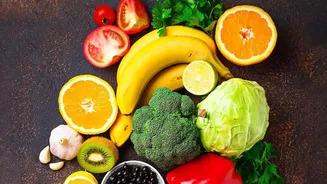
So, what's the alternative? Shifting the focus from numbers to the quality of your food, specifically by prioritising whole foods. Whole foods are ingredients that are in their natural or near-natural state, with minimal processing. Think fresh fruits and vegetables, lentils (dal), whole grains like brown rice and millets, lean proteins, nuts, and seeds. These foods are packed with the fibre, vitamins, and minerals that your body needs. Unlike ultra-processed foods, which are often engineered to be addictive and low in satiety, whole foods work with your body, promoting better digestion, stable energy levels, and a stronger metabolism.
More Satisfaction, Less Effort
One of the most significant benefits of a whole-foods approach is improved satiety—the feeling of being full and satisfied after a meal. Because they are rich in fibre and protein, whole foods keep you feeling fuller for longer. This naturally helps regulate your appetite and can lead to consuming fewer calories overall without ever having to count them. Research has even shown that when people are offered a whole-foods diet, they tend to naturally choose more nutritious, lower-calorie options like fruits and vegetables, ultimately eating less in terms of calories but more in terms of volume.
Learning to Eat Intuitively
Moving away from tracking numbers opens the door to a more mindful and intuitive way of eating. Intuitive eating is about reconnecting with your body's internal wisdom, learning to recognise hunger and fullness signals, and eating what makes you feel good. It's a skill children naturally have, but that many adults lose after years of dieting and external food rules. Instead of letting an app decide if you should be hungry, you learn to listen to your own body. This doesn't mean nutrition goes out the window; rather, it means your food choices come from a place of self-awareness and trust, not fear or restriction.
How to Make the Switch
Transitioning from obsessive tracking to a whole-foods mindset doesn't have to happen overnight. Start with small, manageable changes. Instead of tracking your calories, try tracking how many different vegetables you eat in a day. Focus on adding, not just subtracting. For example, aim to add a side of leafy greens to every meal. Swap processed snacks for whole-food alternatives like a piece of fruit, a handful of nuts, or some plain yoghurt. A simple rule of thumb is to reduce foods that come in a packet. By focusing on these simple principles, you gradually build habits that support long-term health, freeing yourself from the stress of the numbers game.