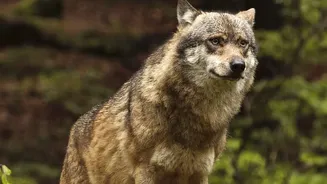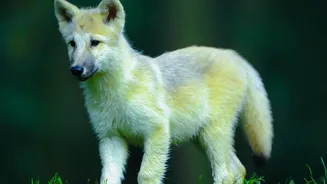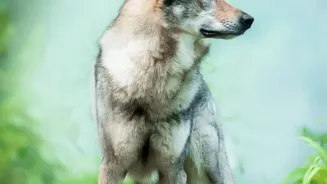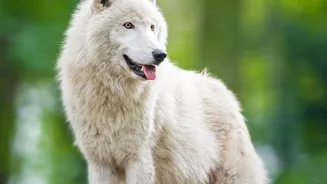




A Continental Comeback Story
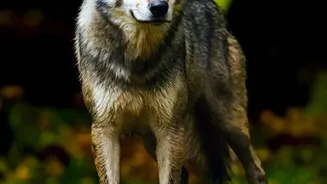
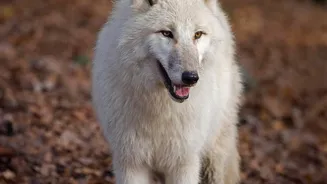
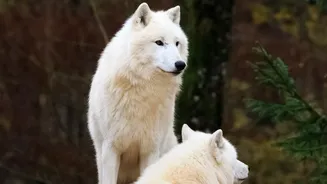
Not long ago, wolves were figures of folklore, banished from most of Europe. Today, they are present in nearly every mainland country. A study confirmed that by 2022, the population had swelled to over 21,500, a staggering 58% increase in just one decade.
This isn't a story of reintroduction, where humans brought the animals back. Instead, wolves have reclaimed their ancestral lands on their own. They have moved from surviving populations in countries like Italy and Poland, crossing borders and highways to establish new packs in Germany, France, and even the Netherlands. The comeback has been credited to strong legal protections, like the EU's Habitats Directive, which created the space for this natural recovery.
Europe's New Wolf Capitals
The wolf’s return is not uniform. Several countries now host populations of over a thousand individuals, including Italy, Romania, Bulgaria, Spain, and Poland. Italy is home to an estimated 3,300 wolves, which have spread from the Apennine Mountains north into the Alps. Spain boasts a significant population of around 3,000 Iberian wolves, while Germany has witnessed an incredible resurgence. After being declared extinct there, a single wolf pack was recorded in Germany in 2000; by the 2024-25 season, that number had grown to 219 packs. This expansion highlights the wolf's incredible adaptability, thriving in a continent with high human population densities and developed landscapes.
From Fear to Tourist Attraction
As wolf numbers have grown, so has the fascination with them. This has given rise to a new and growing ecotourism sector. Adventure travelers are now paying for expert-led expeditions to track wolves and, if they're lucky, catch a glimpse of them in the wild. Destinations like the Riaño Mountains in Spain, the Abruzzo region in Italy, and the Białowieża Forest in Poland are becoming hotspots for wolf-watching. Tour operators offer guided trips that focus on tracking, conservation education, and observing the animals without disturbing them. This form of tourism provides a powerful economic incentive for local communities to protect the wolves, turning the predator from a perceived threat into a valuable asset.
The Challenge of Coexistence
The return of an apex predator is not without conflict. For farmers and livestock owners, the wolf’s comeback presents a genuine threat to their livelihood. Across the EU, wolves are responsible for the deaths of approximately 56,000 domestic animals annually, with countries like France, Spain, and Italy facing the highest losses. These conflicts cost European nations around €17 million each year in compensation payments to farmers. The issue has become so prominent that some political bodies have begun to re-evaluate the wolf's 'strictly protected' status, sparking intense debate between conservationists and rural communities. Finding a balance through protective measures like livestock guarding dogs and secure fencing is now the central challenge for ensuring a peaceful coexistence.
A Lesson for a Crowded Planet
Europe's experience offers valuable lessons for wildlife conservation globally, including in densely populated countries like India, which manages its own complex relationships with tigers and leopards. The wolf’s success story demonstrates that even in highly human-altered landscapes, large predators can return if given legal protection and enough space. However, it also underscores that biological recovery is only half the battle. The other half is social and political: managing human-wildlife conflict and ensuring that the communities living alongside these animals see a benefit, not just a burden. While some studies point to the economic benefits of wolves, such as reducing deer-related traffic accidents, these are not yet widely understood. The future of the wolf in Europe will depend on bridging this gap.