






From Predator to Priceless Asset
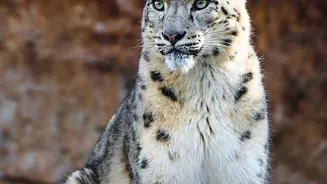
For generations, the snow leopard was a threat to the pastoral communities of Ladakh. As a predator of livestock, it was often met with retaliation. This human-wildlife conflict posed a danger to the already vulnerable species. However, a pioneering shift
in perspective, driven by conservation-focused tourism, has rewritten this narrative. Organizations like the Snow Leopard Conservancy India Trust (SLC-IT) have been instrumental in this change, helping villagers see the cat not as a pest, but as a valuable asset worth more alive than dead. By creating economic opportunities linked to the animal's survival, a unique model of community-based conservation has emerged, turning former adversaries into dedicated protectors.
The Eyes of the Mountains
The success of any snow leopard safari rests on the shoulders of local guides and trackers. These are not just people who know the terrain; they are experts with an intimate, multi-generational understanding of the animal's behaviour and habitat. Hailing from villages like Ulley, Rumbak, and Shang—areas now famous for sightings—these guides possess an unparalleled ability to read the landscape. They spot subtle signs, from tracks in the snow to the alarm calls of other animals, that would be invisible to an untrained eye. Their expertise transforms a near-impossible search into a viable, albeit challenging, expedition. They are equipped with high-quality spotting scopes and maintain communication across valleys to maximize the chances of a sighting for visitors.
A Community-Powered Experience
The involvement of local communities goes far beyond just guiding. The entire tourism model is built around them. A cornerstone of this approach is the award-winning Himalayan Homestay program, which allows travellers to stay with Ladakhi families. This initiative provides a direct and sustainable income that helps offset potential livestock losses, creating a powerful economic incentive for conservation. Visitors get an authentic immersion into the local culture, sharing meals and stories, while their spending supports the community directly. Furthermore, a portion of the revenue, often around 10 percent from the homestays, is channelled into a village conservation fund, which is used for communal projects like garbage management and tree plantation.
More Than Just a Sighting
While seeing a snow leopard is the ultimate goal, the safari experience is designed to be much more holistic. It is a deep dive into the fragile ecosystem of the trans-Himalayas and the Buddhist culture that defines Ladakh. Local guides act as cultural ambassadors, sharing insights into their way of life and the importance of ecological balance. This approach ensures that tourism is responsible and respectful. In fact, the local administration has recently launched an official, regulated wildlife safari to prevent illegal off-roading and minimize disturbances to wildlife, further cementing the role of trained local personnel. The safari becomes a lesson in how human communities and wildlife can not only coexist but thrive together.