






The Initial Shock and Acclimatisation
Moving a plant from a low-light area to a much brighter one can be a shock to its system. Just like humans need to adjust to brighter sunshine, plants undergo a process called acclimatisation. The cells in their leaves, which are responsible for photosynthesis,
need time to adapt to the higher intensity of light. A sudden, dramatic increase can overwhelm the plant's ability to process that energy, leading to stress. For this reason, it's always best to make the transition gradual. Try moving the plant closer to the new light source over a period of a week or two, rather than all at once. This 'hardening off' period gives it a chance to build up a tolerance and avoid the negative effects of a sudden change. During this time, some minor leaf drop can be normal as the plant sheds older leaves not suited to the new conditions.
Warning Signs: When the Light is Too Much
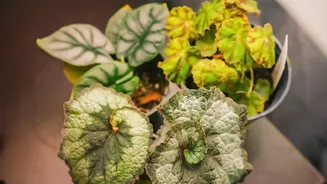
Your plant will quickly show you if the new spot is too intense. The most common sign of excessive light is leaf scorch, which looks like a plant sunburn. You might see white, yellow, or brown patches on the leaves, especially on the side facing the light source. These spots can feel dry and crispy to the touch. Another tell-tale sign is yellowing or bleaching of the leaves, where the vibrant green colour fades to a pale shade. This happens because the intense light breaks down the chlorophyll in the leaves. You might also notice the leaves curling downwards or inwards, which is the plant's way of trying to reduce its surface area exposed to the sun. In some cases, a plant might wilt even if the soil is moist, as it loses water through its leaves faster than the roots can absorb it. Stunted growth is another paradoxical sign; too much light can put the plant in survival mode, causing it to grow more slowly.
Positive Signs: A Happy and Healthy Adjustment
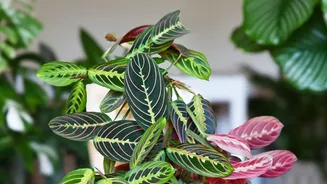
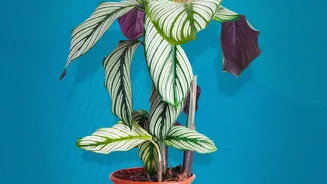
On the other hand, if the move was a good one, your plant will also send clear signals of approval. The most obvious positive sign is healthy new growth. Look for new leaves that are a similar size and colour to the older ones. If previous growth was 'leggy'—with long, stretched-out stems and sparse leaves—you should see new growth coming in more compact and lush. The overall colour of the plant may become more vibrant and rich. For variegated plants, the patterns and colours might become more pronounced, as they often fade in lower light. The plant's posture can also be an indicator; a happy plant will often look perkier, with its leaves held up firmly rather than drooping. A steady rate of new leaves unfurling is a reliable sign that the plant is receiving the right amount of energy to thrive in its new home.
How to Ensure a Smooth Transition
To help your plant adjust successfully, observation and patience are key. Avoid moving it abruptly from a dim corner to a south-facing window. Instead, gradually increase its light exposure over one to two weeks. Start by placing it a few feet away from the bright window and move it closer every few days. Monitor the soil moisture carefully. A plant in a brighter, warmer spot may need to be watered more frequently, but you should always check the soil before watering, as a stressed plant can sometimes use water differently. If you see signs of scorching, move the plant back immediately to a spot with less direct light, perhaps filtering the light with a sheer curtain. It's also wise to hold off on fertilising for a few weeks after the move. A plant that is acclimatising is under stress and can't effectively use the extra nutrients, which could end up burning the roots.