





More Than Just Food
To understand Bhoger Khichuri, one must first understand 'bhog'. It translates to a sacred food offering made to a deity. During Durga Puja, this special khichuri is cooked with utmost purity and devotion, entirely vegetarian and without onion or garlic,
a style known as 'niramish'. First offered to Goddess Durga, it is then distributed to devotees as 'prasad'. This act transforms the dish from mere sustenance into a blessed meal, believed to carry the grace of the goddess. It's a culinary symbol of spiritual nourishment, setting it apart from any khichuri made on an ordinary day.
The Alchemy of Ingredients
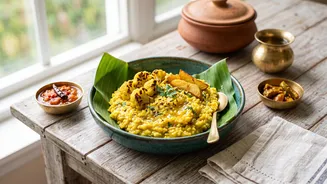
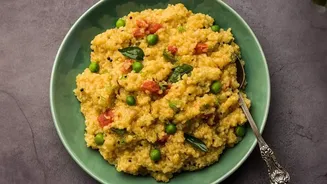
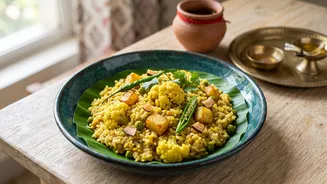
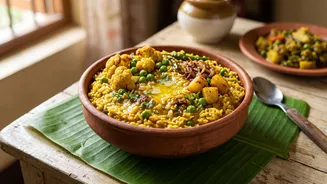
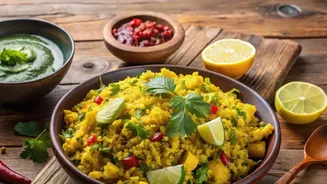
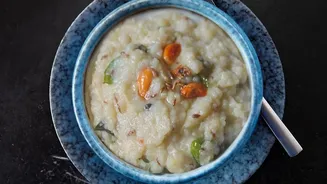
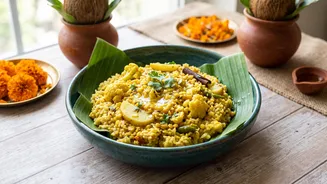
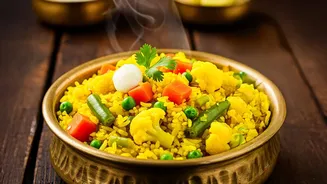
The magic of Bhoger Khichuri lies in its specific, thoughtfully chosen ingredients. The star is Gobindobhog rice, a short-grained, aromatic variety from West Bengal prized for its buttery fragrance and slightly sweet flavour. This specific rice gives the khichuri its signature aroma and a soft, comforting texture. Paired with sona moong dal, which is dry-roasted until it releases a nutty scent, the base is set for something truly special. Vegetables like cauliflower, peas, and potatoes are added, reflecting the season's bounty. The dish is then tempered with whole spices like cinnamon, cardamom, cloves, and bay leaves, and enriched with a generous dollop of ghee, creating a flavour that is both complex and soul-soothing.
The Cauldron of Community
Bhoger Khichuri is rarely a dish cooked for one. It is a symbol of community, prepared in enormous cauldrons in the bustling kitchens of Puja pandals. Volunteers work tirelessly, often through the night, to prepare this meal for thousands of visitors. The act of serving and eating this khichuri together dissolves social barriers. People from all walks of life—regardless of class or background—sit together, often on the floor, to share the same blessed food. This communal feast reinforces a sense of unity and collective celebration, making the meal a powerful social binder that is as important as the religious rituals themselves.
A Spoonful of Nostalgia
For countless Bengalis, the taste of Bhoger Khichuri is inextricably linked to cherished childhood memories of Durga Puja. A single spoonful can evoke the joy of pandal hopping, the excitement of new clothes, and the warmth of family gatherings. Many recall queuing up at pandals with their families to receive their share of the bhog, often served in traditional earthen bowls. This sensory memory—the distinct aroma, the unique sweet and savoury taste—becomes a powerful anchor to one's cultural roots. Even for those living far from home, the taste of Bhoger Khichuri during Puja provides a profound sense of connection and continuity with their heritage.