





The Challenge of Sawan Fasting Meals
For many devotees, observing the Sawan fast, especially on Mondays (Somwar), is a cherished spiritual practice. This period involves following a sattvic diet, which means avoiding staples like grains, lentils, onion, garlic, and regular table salt. The
default fasting menu often leans heavily on fruits, potatoes, and sabudana (tapioca pearls). While these provide energy, they can lack sufficient protein, leading to hunger pangs, fatigue, and potential muscle loss. The goal of the fast is spiritual focus, but that's hard to achieve when you're feeling drained and unsatisfied by carb-heavy meals. This is where planning a balanced vrat thali becomes crucial.
Why Protein is Crucial During a Fast
Protein is a vital macronutrient that plays a key role in muscle repair, immunity, and overall health. During fasting, when there are long gaps between meals, the body can start breaking down muscle tissue for energy if protein intake is too low. Including a good source of protein in your vrat meals helps in several ways. It promotes satiety, keeping you feeling full and satisfied for longer. This helps prevent the urge to overeat fried or sugary snacks. It also helps stabilize blood sugar levels, preventing the sharp energy spikes and crashes often associated with high-carb meals, ensuring your energy remains steady throughout the day.
Paneer: A Vrat-Friendly Protein Powerhouse
Among the foods permitted during Sawan vrat, paneer (cottage cheese) stands out as an excellent source of high-quality protein. As a dairy product, it is widely accepted in most fasting traditions across India. Its mild flavour and versatile texture make it a fantastic addition to the limited vrat pantry. Unlike many other protein sources, paneer can be easily adapted to fit sattvic cooking principles. It's filling, nutritious, and provides the sustained energy needed to get through the day, making it an ideal ingredient for those looking to create a more balanced and nourishing fasting meal.
Crafting the Perfect Vrat-Friendly Paneer Tikka
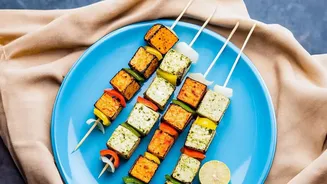
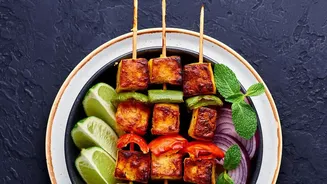
Paneer Tikka, a perennial favourite, can be easily adapted for Sawan fasting with a few simple swaps. The key is to create a marinade that adheres to vrat rules while still delivering a burst of flavour. The standard marinade often contains spices and ingredients that are not permitted. To make it vrat-friendly, the base should be thick yogurt (hung curd). Onions and garlic are strictly avoided. For seasoning, use sendha namak (rock salt) instead of regular salt, and incorporate approved spices like black pepper, cumin powder, fresh ginger, and green chillies. To bind the marinade and give it a good texture without using gram flour (besan), you can use a small amount of a vrat-friendly flour like rajgira (amaranth) or singhara (water chestnut).
A Simple Recipe for Sawan
To prepare Vrat-Friendly Paneer Tikka, start by cubing about 250 grams of paneer. For the marinade, mix half a cup of thick hung curd with sendha namak to taste. Add a teaspoon of grated ginger, a finely chopped green chilli, and half a teaspoon each of black pepper powder and roasted cumin powder. Gently fold the paneer cubes into this marinade, ensuring they are well-coated. You can also add cubed vegetables that are allowed during the fast, like tomatoes or capsicum. Let it marinate for at least 30 minutes. To cook, you can either skewer the paneer and grill it on a pan (tawa) with a little ghee until golden brown on all sides, or use an air fryer for an oil-free option.
Making It a Complete Meal
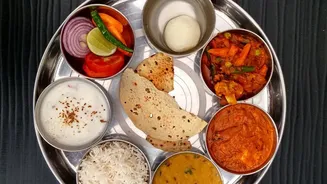
A plate of Paneer Tikka is delicious on its own, but it can also be the centrepiece of a complete and balanced Sawan meal. Serve the hot tikka with a side of cooling mint and coriander chutney (made without garlic and with sendha namak). To make the meal more substantial, you can pair it with a simple salad of cucumbers and tomatoes. Another great accompaniment is a bowl of plain curd or a vrat-friendly raita. This combination provides a well-rounded meal with protein from the paneer and curd, vitamins from the chutney and salad, and healthy fats from the ghee used for cooking.