

Understanding the Waste on Our Plates
In India, households are the single largest contributor to food waste, accounting for a significant portion of the nearly 70 million tonnes of food thrown away each year. A study by the United Nations Environment Programme estimated that the average Indian
household generates about 50 kilograms of food waste per person, per year. While issues like inefficient supply chains play a part, a substantial amount of this waste happens right at the dinner table. This is often the result of 'plate waste'—the food that is served but left uneaten. The reasons are varied, from a cultural inclination towards hospitality and abundance to a simple miscalculation of appetite. This habit not only strains household budgets but also has a significant environmental impact, contributing to greenhouse gas emissions from landfills.
The Psychology of 'Too Much'
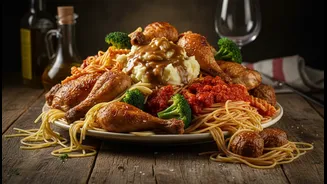
Why do we consistently serve more than we need? The answer lies in a mix of psychology and habit. For many, a full plate is a symbol of prosperity and care. In a cultural context where guests are revered, ensuring there is more than enough food is a deep-rooted sign of hospitality. There is also the phenomenon of 'portion distortion'. Over the years, plate sizes have grown, and so have the servings we consider normal, both at home and in restaurants. We often eat with our eyes, filling our plates based on the available space rather than our actual hunger levels. This can lead to a difficult choice: overeat past the point of fullness or waste the food left on the plate. Many people feel guilty about leaving food, which can encourage overconsumption, while others discard leftovers without a second thought.
Strategy 1: Plan Before You Plate
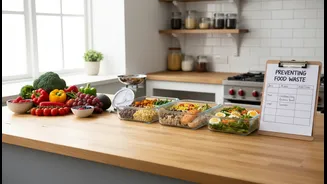
The fight against food waste begins long before you start cooking. Effective meal planning is one of the most powerful tools at your disposal. Before heading to the store, take a few minutes to plan your meals for the week. Check your pantry and fridge to see what you already have, and build your shopping list around that. This prevents impulse buys and the purchase of duplicate ingredients that might spoil. When you buy packaged foods, pay attention to the serving sizes listed on the label. This information can help you make more realistic calculations about how much you truly need for your family's meals, preventing you from buying in quantities that are too large to be consumed before they expire.
Strategy 2: Serve Smarter
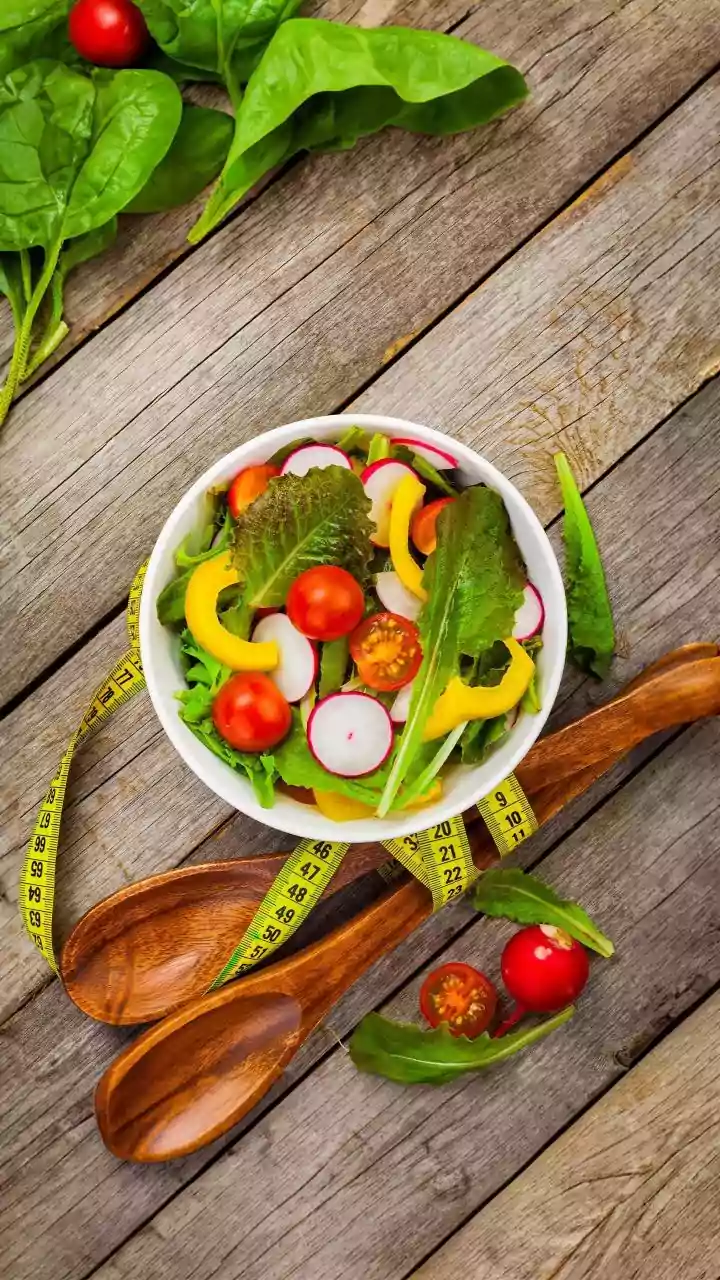
Once the food is cooked, the next critical step is how it's served. Instead of loading up everyone's plate in the kitchen, try bringing serving dishes to the table. Studies show that when people serve themselves, they tend to take less food and waste less overall, as they are better able to match the portion to their appetite. Another effective trick is to use smaller plates and bowls. Research has shown that this simple visual cue can trick our brains into feeling satisfied with a smaller amount of food. If you're unsure of everyone's hunger levels, start with smaller initial servings. It’s always possible to go back for seconds if someone is still hungry, but once food is on a plate, it’s much more likely to be wasted if uneaten.
Strategy 3: Embrace the Leftovers
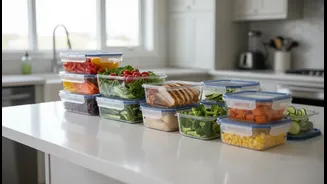
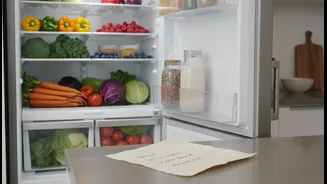
Even with the best planning, leftovers happen. The key is to reframe them not as a failure, but as a resource for a future meal. When you're preparing a meal, think about what you can do with any potential extras. Can tonight's dal become the base for tomorrow's parathas? Can leftover sabzi be used in a sandwich or wrap for lunch? Store leftovers in clear, airtight containers and keep them at the front of the fridge where they won't be forgotten—a simple 'First In, First Out' (FIFO) system works wonders. Don't be afraid to get creative. Many delicious and time-saving meals have been born from the imaginative reuse of what was left from the night before.
Beyond the Home Kitchen
The principle of matching portions to people extends to dining out as well. Restaurant portions are notoriously large, a key contributor to plate waste. Don't hesitate to ask for a half-portion if available, or consider ordering a few appetisers instead of a large main course. Sharing dishes with your dining companions is another excellent way to enjoy a variety of flavours without over-ordering. If you do end up with more food than you can finish, take the leftovers home. Thirty percent of diners wish their meal had been smaller, and many feel guilty about leaving food behind. By consciously choosing smaller or shared plates, you send a message to establishments that consumer demand is shifting towards more reasonable and less wasteful portion sizes.