
Why Overwashing Is a Problem
A dog's paw pads are tough, but they are also sensitive living tissue. They contain fatty tissue that acts as a shock absorber and helps regulate temperature. These pads are protected by a natural barrier of oils that keep the skin supple and healthy.
Frequent or aggressive washing, especially with harsh soaps, strips away these essential oils. This can lead to dryness, cracking, and irritation. Dry, cracked pads are not only painful for your dog but are also more vulnerable to injury and infection from bacteria, fungi, or yeast that can thrive in compromised skin. Signs of overwashing or irritation include redness between the toes, excessive licking or chewing of the paws, and visible dryness or peeling.
The Simple Rinse: Your First Line of Defense
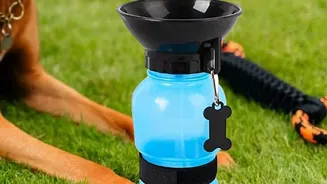
For most daily walks that result in dusty or lightly muddy paws, a simple rinse with lukewarm water is the best and safest cleaning method. Water alone is often enough to remove surface dirt, pollen, and other environmental allergens without disrupting the skin's natural balance. You can use a shallow basin, a portable paw washer, or even a gentle spray from a hose or handheld showerhead. The key is to be gentle. After rinsing, the most critical and often skipped step is to dry the paws thoroughly, especially between the toes. Trapped moisture creates a perfect breeding ground for fungal and yeast infections. A clean, soft towel is all you need to pat the area dry.
When a Deeper Clean Is Necessary
There are times when water alone won't cut it. If your dog has walked through something sticky, oily, or potentially toxic—like road salt, de-icing chemicals, pesticides, or tar—a more thorough wash is required. In these cases, use a mild, dog-specific shampoo. Lather gently around the pads and between the toes, then rinse completely to ensure no soap residue is left behind. For quick clean-ups on the go or for dogs who resist full washes, high-quality pet-safe wipes are a convenient option. They are perfect for wiping away surface dirt and allergens after a standard walk.
Choosing the Right Paw Products
The market is flooded with paw cleaning products, but not all are created equal. When selecting wipes or shampoos, always read the ingredient list. Avoid products containing alcohol, parabens, sulfates, and artificial fragrances, as these can cause dryness and irritation. Human wipes, including baby wipes, are not suitable for dogs because their pH levels are different, and they may contain chemicals that are harmful if ingested. Instead, look for gentle, hypoallergenic products with soothing ingredients like aloe vera, shea butter, vitamin E, or oatmeal. These ingredients help to clean while also moisturizing and nourishing the paw pads.
How to Spot Paw Pad Trouble
Regularly checking your dog's paws is a crucial part of their health care. This allows you to catch problems early, before they become serious. Look for signs of irritation such as redness, swelling, or any unusual discharge between the toes. Behavioral cues are also important; excessive licking or chewing of the paws is a primary indicator of discomfort. Other signs can include limping, reluctance to walk, or a foul or musty odor, which could signal a bacterial or yeast infection. If you notice any deep cracks, persistent bleeding, or signs of infection, it's always best to consult your veterinarian for proper diagnosis and treatment.