



The Sacred Start: Community Bhog
The culinary pilgrimage of Pujo often begins with bhog, the blessed food first offered to the goddess and then distributed to all visitors at a pandal. This experience is the soulful heart of the festival’s food culture. Typically served around lunchtime,
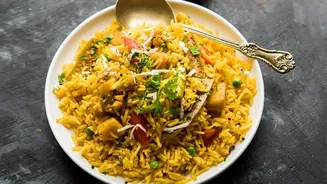
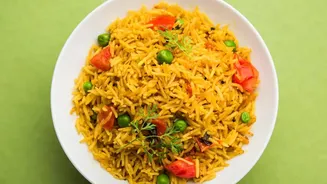
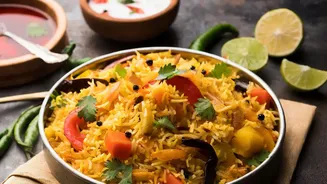
especially on Ashtami and Navami, this vegetarian meal is a comforting and deeply traditional affair. The star of the plate is almost always the bhoger khichuri, a fragrant blend of roasted moong dal and gobindobhog rice cooked with ghee and spices. It’s accompanied by labra, a delicious medley of seasonal vegetables, and often includes begun bhaja (fried eggplant), a tangy tomato chutney, and a sweet serving of payesh (rice pudding) to finish. Sharing this meal with hundreds of others on a banana leaf or a simple plate captures the community spirit of Pujo.
The Pandal Hopper’s Fuel: Street Snacks
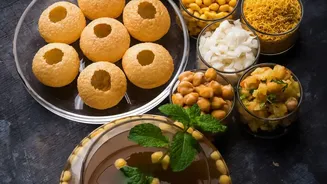
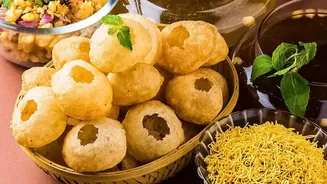
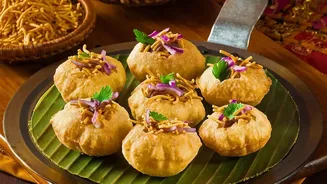
As evening descends and the city lights up, pandal hopping begins in earnest, and the streets transform into a massive open-air food court. This is where the real neighbourhood-to-neighbourhood food trail comes alive. Around every major pandal, you’ll find vendors serving up Kolkata’s legendary street food. No Pujo is complete without phuchka, the city's iconic version of pani puri, with its spicy potato filling and tangy tamarind water. Equally essential are the Kathi rolls—flaky parathas wrapped around succulent chicken, mutton, or paneer fillings, perfect for eating on the go. Other must-try snacks include fish fry, crispy telebhaja (vegetable fritters), and roadside chowmein, all serving as the delicious fuel that keeps the festive energy going late into the night.
The Festive Feast: Biryani and Mughlai Fare
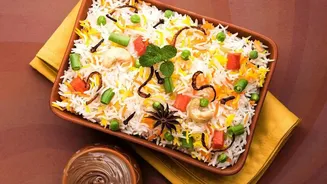
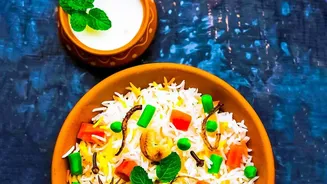
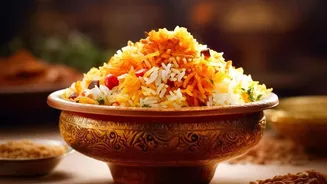
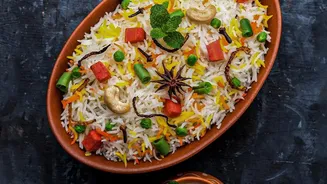
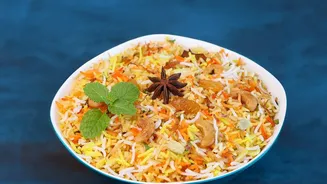
While street food fuels the hopping, sit-down meals become a cherished ritual for families and friends. During Pujo, many Kolkatans take a break from home cooking to dine out, and biryani often takes centre stage. Kolkata’s unique style of biryani, with its fragrant, long-grained rice, succulent meat, and the signature boiled potato and egg, is a city-wide obsession. Iconic restaurants like Arsalan, Aminia, and Shiraz see massive crowds, with patrons queuing patiently for a taste of this festive staple. Beyond biryani, Mughlai dishes like kosha mangsho (slow-cooked mutton curry) paired with luchi (fluffy fried bread) or parathas are also extremely popular, offering a rich and indulgent break from the pandal trail.
Sweet Endings: A Universe of Mishti
No Bengali celebration is complete without sweets, and Durga Puja is the grandest showcase of them all. Sweet shops across the city work overtime, their glass counters piled high with an astonishing variety of mishti. The exchange of sweets is a core part of the post-Puja tradition of Bijoya, where friends and family visit each other's homes. Must-haves include the iconic rosogolla and the delicate sandesh, which comes in countless variations. Another festive essential is mishti doi, or sweet yogurt, served in traditional earthen pots. From classic offerings like kheer kodom to modern interpretations, the sweet trail is a journey in itself, providing a perfectly sweet conclusion to every Pujo meal and every day of the festival.