



The Natural Lean Towards Light
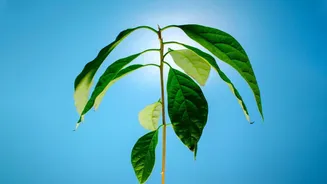
Have you ever noticed your favourite houseplant starting to lean towards the window, looking a bit lopsided? This is a natural process called phototropism. Plants contain a growth hormone called auxin that directs them towards their primary energy source:
light. The cells on the shaded side of the stem grow longer, causing the plant to bend towards the sun. While this is a brilliant survival instinct in the wild, indoors it can lead to uneven, stretched-out growth, with all the lush leaves on one side and a sparse, leggy look on the other. Regular rotation is the simple solution to encourage balanced, symmetrical growth, making your plant look fuller and healthier from every angle.
Why Sudden Change Can Shock Your Plant
You might think that if your plant is leaning, a quick 180-degree turn is the fastest fix. However, this can do more harm than good. A sudden, drastic change in light exposure can shock the plant, causing what is essentially a plant sunburn. Leaves that have been in the shade have a different cellular structure and are not prepared for intense, direct light. This abrupt exposure can damage the leaf tissue, causing it to look bleached, white, or yellow. In severe cases, these scorched patches can turn brown, become crispy, and will not recover. This damage, also known as sunscald or leaf scorch, is permanent. Think of it like a person who never sees the sun suddenly spending a full day at the beach without protection—the results are painful and damaging.
The Science of a Slow Adjustment
The process of a plant getting used to new light conditions is called acclimatisation. It's a biological process that takes time. When a leaf is exposed to brighter light, it needs to make internal adjustments to protect itself and optimise photosynthesis. This involves changing the concentration and arrangement of chlorophyll, the pigment that captures light for energy. Plants grown in lower light have leaves that are structured to be highly efficient at capturing every bit of available light. When suddenly blasted with intense sun, they can't handle the overload. A gradual turn allows the plant to slowly build up its tolerance. Leaves can adjust their internal structure, produce protective pigments, and even change their angle to better manage the increased energy, preventing the shock and damage of a sudden shift.
The Art of the Gentle Quarter-Turn
So, what is the best way to rotate your plants? The most recommended method is a simple quarter-turn. An easy way to remember this is to give your plant a quarter-turn in the same direction every time you water it. This slow and steady approach ensures that all sides of the plant receive a balanced amount of light over the course of a few weeks, promoting even growth without causing stress. This method prevents one side from becoming dominant and encourages new shoots to appear on previously shaded parts of the plant, leading to a much fuller appearance. The key is consistency. This small, regular adjustment integrates easily into your care routine and makes a world of difference to the plant's overall health and shape.
Moving Plants to a New Location
The same principle of gradual acclimatisation applies when you're moving a plant to a much sunnier spot, such as from a dim corner indoors to a bright, sunny balcony. Don’t make the move all at once. Instead, 'harden off' the plant over a week or two. Start by placing it in the new, brighter location for just an hour on the first day. The next day, increase the duration to two hours, and so on. This gradual increase in exposure gives the leaves the time they need to adapt to the more intense light without getting scorched. This process is especially crucial for young plants or those that have spent a long time in low-light conditions. A little patience in the beginning will ensure your plant thrives in its new, brighter home.