




The Fibre Fallacy
A common belief is that blending destroys the fibre in fruits and vegetables. The truth is more nuanced. Blending does not remove fibre in the way juicing does. All the fibrous material remains in your glass. However, the blender's blades pulverise the fibre,
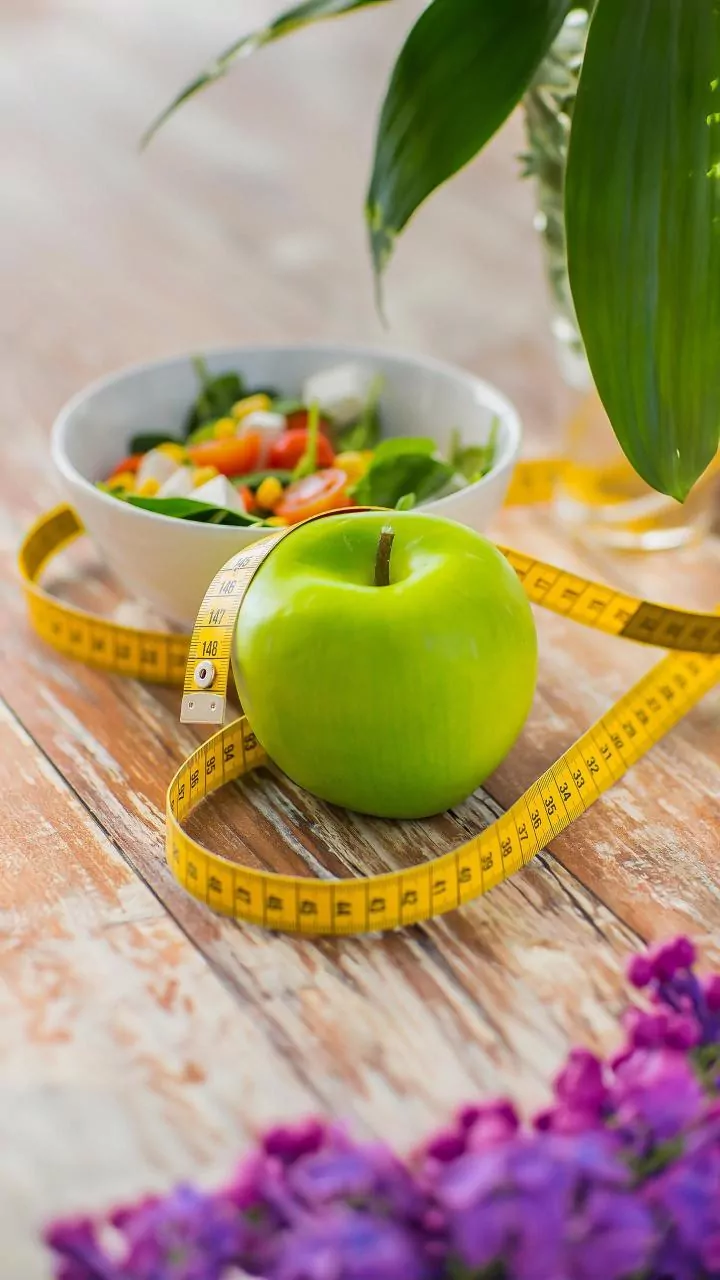
breaking down its structure. While this can make it easier to digest for some, it changes how your body processes it. A whole apple provides both soluble and insoluble fibre in a complex matrix that your digestive system has to work to break down. This process aids in feeling full and slows sugar release. In a smoothie, that work is already done, which can impact satiety and blood sugar response.
The Satiety Signal
Have you ever downed a 400-calorie smoothie and felt hungry an hour later? You're not alone. Research suggests that liquid calories are significantly less satiating than solid ones. The physical act of chewing sends important signals to the brain that you are eating, which helps register fullness. Furthermore, solid food stays in the stomach longer, releasing energy more slowly. Liquids tend to empty from the stomach much faster. This means you might not feel as full after drinking a smoothie compared to eating the same ingredients whole, potentially leading you to consume more calories later in the day.
The Hidden Sugar Trap
Even a smoothie with no added sugar can become a concentrated source of 'free sugars'. When fruit is blended, the natural sugars are released from within the plant's cell walls. Your body absorbs these free sugars much faster, which can cause a sharper spike in blood sugar compared to eating whole fruit. While you are getting vitamins and minerals, a smoothie made purely of fruit and a liquid base like juice can be a high-sugar, low-protein, low-fat beverage. This imbalance can lead to a quick energy crash and cravings not long after you've finished your drink.
Building a Better, Balanced Smoothie
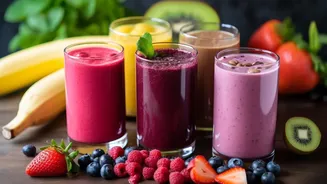
The good news is that smoothies can absolutely be part of a healthy diet and can even serve as a meal replacement—if constructed thoughtfully. To make your smoothie more nutritionally complete and satisfying, think of it as building a balanced plate. Ensure it contains the three key macronutrients. For protein, add a scoop of protein powder, plain Greek yogurt, or cottage cheese. For healthy fats, include a spoonful of nut butter, a quarter of an avocado, or some chia or flax seeds. These additions provide sustained energy and dramatically improve satiety. Finally, don't just stick to fruit; add a large handful of leafy greens like spinach or kale for extra vitamins, minerals and fibre with minimal impact on taste.
When a Meal is Still the Best Choice
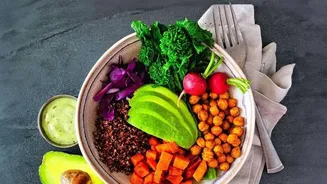
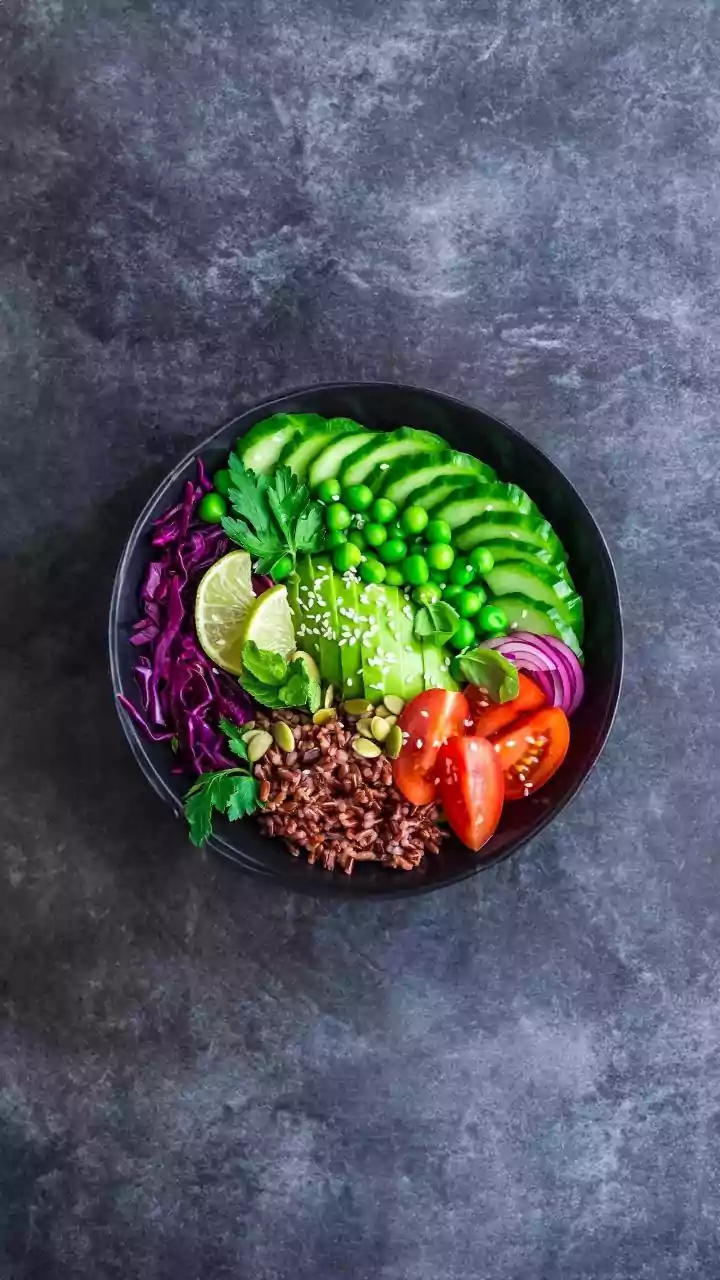
While a well-built smoothie can be a great option for a busy morning or post-workout fuel, it shouldn't replace every meal. There are nutritional and psychological benefits to sitting down and eating a solid meal. The process of chewing, the variety of textures, and the slower pace of eating all contribute to better digestion and satisfaction. A balanced plate with lean protein, whole grains, and a variety of cooked and raw vegetables offers a complexity that's difficult to replicate in a blender. Smoothies are a fantastic tool for getting in extra nutrients, especially for those who struggle to eat enough fruits and vegetables, but they are a supplement to, not a permanent substitute for, a diet rich in whole foods.