




An Ode to the Modak
For millions across India, the pleated form of the modak is inseparable from Ganesh Chaturthi. This sweet dumpling is considered the favourite food of Lord Ganesha, earning him the name 'Modakpriya', or one who loves modaks. The classic version, known
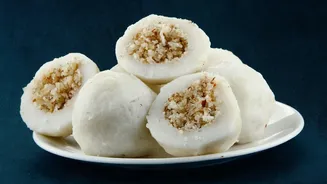
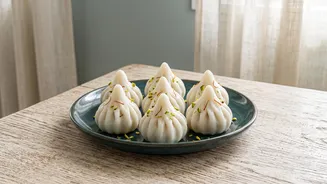
as Ukadiche Modak, features an outer shell made from steamed rice flour, carefully pleated by hand. Inside lies a fragrant, sweet filling of freshly grated coconut and jaggery. The significance of the modak is deeply spiritual. It's not just a festive treat but a sacred offering, or 'prasad'. Devotees often prepare 21 or 101 modaks for the puja, a ritual that brings families together. Its shape is also symbolic, said to represent a bag of money or wisdom, with the sweet filling signifying the sweet rewards of knowledge and devotion.
Japan's Edible Art: Wagashi
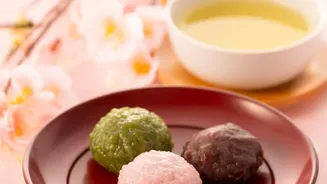
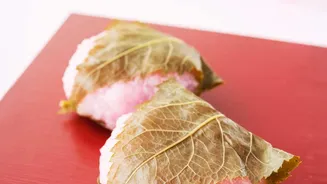
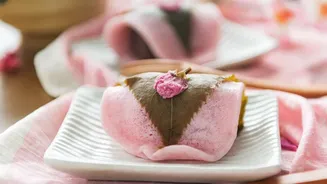
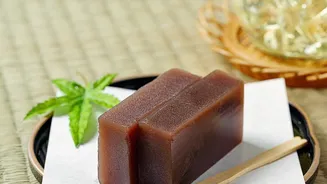
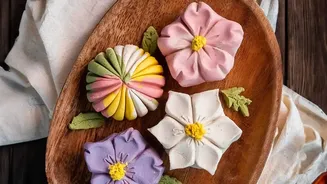
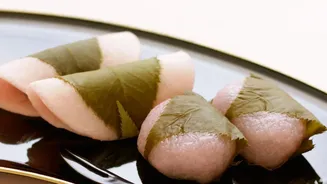
Half a world away in Japan, a similarly shaped sweet exists, but it belongs to a completely different tradition. This is a form of 'wagashi', the broad term for traditional Japanese confectionery. Specifically, the sweet that often gets compared to the modak is a type of 'nerikiri'. Nerikiri are considered edible art, meticulously crafted to reflect the changing seasons. Unlike the modak’s rice flour shell, nerikiri is made from a pliable dough of shiro-an (sweet white bean paste) and gyuhi (a soft, mochi-like substance). This 'clay' allows artisans to create intricate designs, from cherry blossoms in spring to chrysanthemums in autumn. The pleated shape is just one of many possibilities in the vast aesthetic universe of wagashi, which are traditionally served during tea ceremonies to complement the bitter taste of matcha.
Similar Form, Different Soul
This is where the 'in practice' part of the headline becomes clear. While they may share a pleated, hand-moulded form, their substance and soul are worlds apart. The primary difference lies in the ingredients and texture. A steamed modak has a soft, slightly chewy rice-flour shell that gives way to a coarse and juicy coconut-jaggery filling. Nerikiri, on the other hand, has a smooth, soft, and slightly dense texture that melts in the mouth, as its primary ingredient is a finely processed bean paste. The preparation also differs significantly. Modaks are typically steamed or fried. Nerikiri involves cooking the bean paste and then kneading and colouring it before shaping it by hand—a process more akin to sculpting than simple dumpling-making. The flavour profiles are distinct, too: modak is rich with the earthy sweetness of jaggery and the tropical taste of coconut, while nerikiri offers a more subtle, refined sweetness.
A Tale of Two Meanings
The cultural context is perhaps the most significant point of divergence. The modak's meaning is highly specific and devotional. It is intrinsically linked to Lord Ganesha and the rituals of Ganesh Chaturthi. Its form, filling, and the act of offering it are all imbued with deep religious symbolism, representing knowledge, bliss, and prosperity. Wagashi, including nerikiri, have a different kind of meaning rooted in aesthetics and nature. Their purpose is to capture the transient beauty of a particular season—a fleeting moment in time expressed as a sweet. A pleated nerikiri might not be a generic dumpling but a specific representation of an autumn chrysanthemum, a symbol of the season. One is an offering to a specific deity for a specific festival; the other is a broader cultural expression of artistry, nature, and the refined ritual of the tea ceremony.
A Case of Culinary Convergence
So, is there a hidden historical connection? The evidence suggests no. This appears to be a classic case of what is known as 'convergent evolution' in the culinary world. Two different cultures, using their own local ingredients, independently arrived at a similar solution for a common challenge: how to beautifully encase a sweet filling inside a soft dough. The pleated, hand-gathered shape is one of the most natural and elegant ways to seal a dumpling. Both Indian and Japanese cuisines have rich histories of working with rice-based doughs and sweet fillings. The fact that they both created something that looks so similar is not evidence of a shared recipe, but of a shared human instinct for creativity, artistry, and the desire to make food that is as beautiful to look at as it is delicious to eat.