



How Does an Air Fryer ‘Fry’ Food?
Before diving into snacks, it helps to understand how an air fryer works. It doesn’t actually fry food in the traditional sense. Instead, it functions like a small, powerful convection oven. A heating element generates intense heat, and a high-speed fan
circulates that hot air all around the food. This rapid air circulation technology cooks the food quickly, creating a crispy, golden-brown exterior while keeping the inside tender. You only need a tiny amount of oil—often just a light brush or spray—to achieve a result that mimics deep-frying, but without submerging the food in fat. This process significantly reduces the amount of oil absorbed by the food.
Is It Genuinely a Healthier Option?
By most measures, yes. The primary health benefit is a dramatic reduction in fat and calories. Using an air fryer can cut the fat content of foods by up to 80% compared to their deep-fried counterparts. This can be beneficial for heart health and weight management. Beyond fat reduction, air frying also helps decrease the formation of potentially harmful compounds like acrylamide, which can form in starchy foods like potatoes during high-heat cooking. Studies show that air frying can lower acrylamide levels by as much as 90% compared to deep frying. However, a healthier cooking method doesn't automatically make all foods healthy. The nutritional value still depends on the ingredients you choose.
The Crucial Question: What About Taste and Texture?
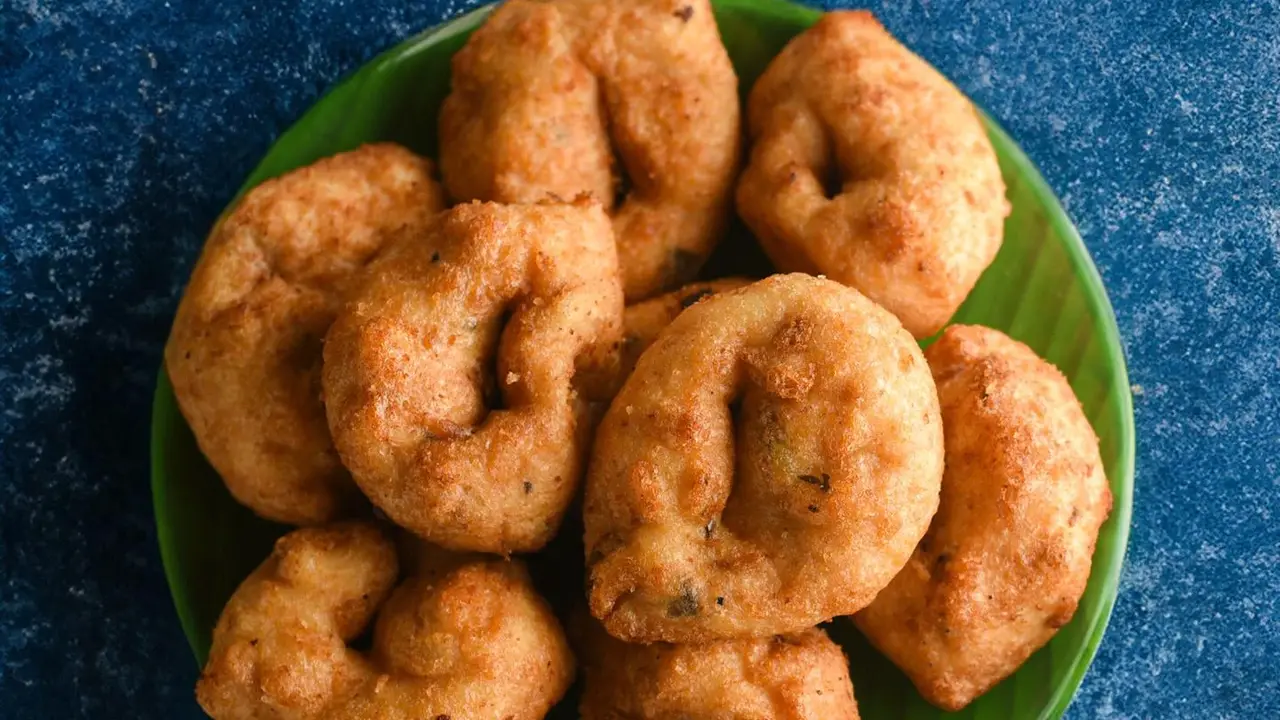
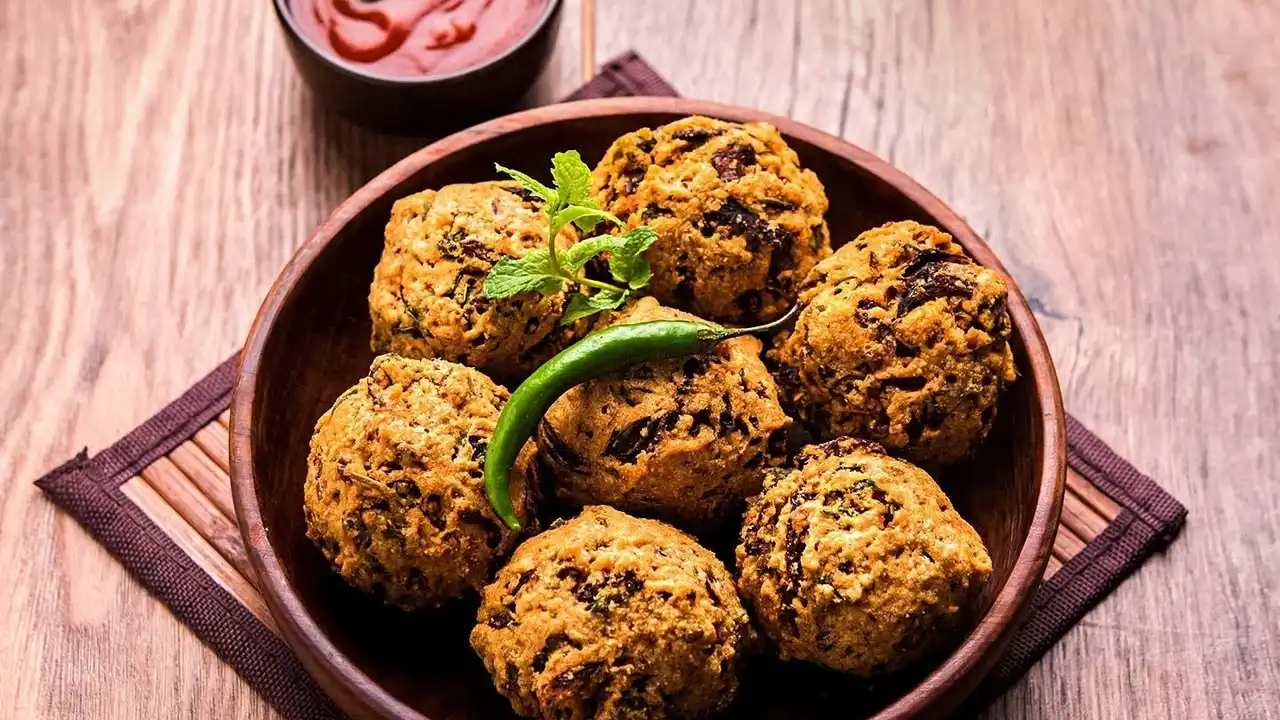
This is often the biggest concern for food lovers. Can an air-fried sabudana vada ever compare to the deep-fried original? The answer is complex. Air-fried snacks are generally lighter and less greasy. They can achieve a satisfying crispiness on the outside, but the texture is not identical to deep-fried versions. Some describe air-fried vadas as crispy on the outside but slightly less crunchy and chewy on the inside compared to the rich, uniform crispness from deep-frying. While many find the flavour and enjoyment to be just as good, it's best to adjust expectations slightly. You get a delicious, crispy snack that feels much lighter on the stomach, which can be ideal for fasting days.
Which Vrat Snacks Work Best?
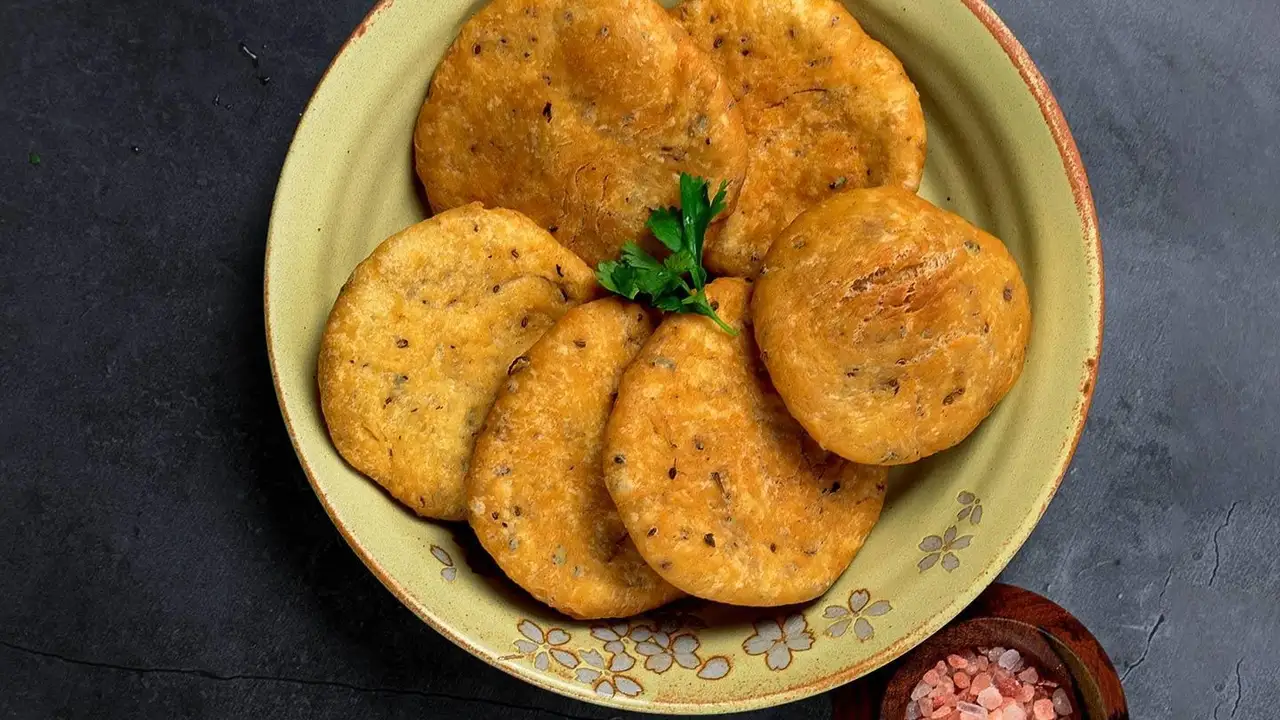
Not all Vrat snacks are equally suited for the air fryer. Items that are naturally firm or have some structure tend to work very well. Popular choices include sabudana vada or tikki, aloo tikki, sweet potato (shakarkandi) fries, arbi (taro root) fries, and paneer fingers coated in Vrat-friendly flour. Roasted snacks like makhana (foxnuts) and peanuts are also excellent in an air fryer. However, snacks made from a thin or wet batter, like some pakoras, can be challenging as the batter may drip through the basket. Similarly, items that need to puff up dramatically by being submerged in hot oil, like kuttu ki puri or bhature, will not work in an air fryer and are best made traditionally.
Tips for Perfect Air-Fried Vrat Snacks
To get the best results, a few simple techniques make a big difference. Always preheat your air fryer for a few minutes to ensure even cooking. Don't overcrowd the basket; cook in a single layer to allow hot air to circulate freely. For snacks like tikkis or vadas, brushing or spraying a small amount of oil or ghee on them is essential for achieving that golden, crispy finish. It's also helpful to flip the snacks halfway through the cooking time to ensure they brown evenly on all sides. For patties like sabudana vada, some recipes suggest refrigerating them for 15-20 minutes before air frying, which helps them hold their shape better.