





A Rocket's Second Act
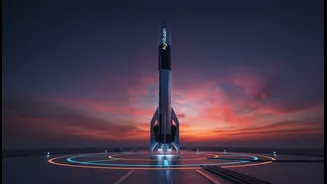
In the world of space launches, most of the rocket hardware that gets a payload to orbit either burns up on reentry or becomes space debris, a growing hazard in Earth's orbital highways. Agnikul Cosmos, a pioneering Indian space-tech firm, is challenging
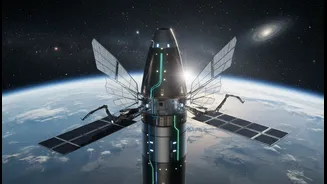
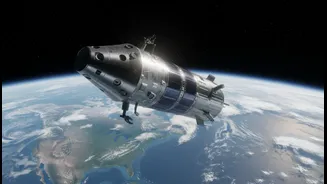
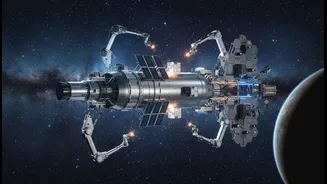
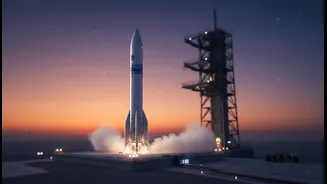
this disposable model. The company has announced that its upcoming 'Mission-02' will not only focus on recovering its first-stage booster but will also demonstrate the extended capability of the rocket's upper stage. After deploying its primary satellite payload, the upper stage of the Agnibaan rocket is designed to continue functioning, transforming into an in-orbit platform for a variety of secondary missions. This 'convertible' architecture is a core part of Agnikul's strategy, for which it already holds patents in India, the US, and Europe.
From Orbital Debris to a Lab in the Sky
The idea is elegantly simple yet technically profound. Instead of letting the upper stage drift aimlessly after its primary job, Agnikul plans to use its remaining fuel and onboard systems to offer a stable, functional platform in space. According to co-founder and CEO Srinath Ravichandran, this allows the company to essentially turn what would be waste into a valuable asset. "The idea is to not throw away anything," Ravichandran explained. This approach directly addresses the mounting problem of space junk while creating a new commercial opportunity. The stage will become a temporary, cost-effective 'zero-gravity lab' for hosting experiments, testing new technologies, or supporting future space infrastructure.
How the 'Rocket-as-a-Satellite' Works
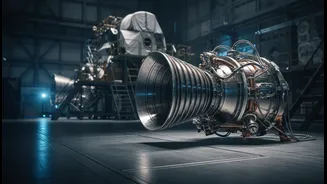
Agnikul calls this innovative concept a 'Rocket-as-a-Satellite' model. After payload separation, the upper stage, powered by the same 3D-printed Agnilet engine technology proven in its suborbital flight, will have the ability to maneuver and stabilize itself. It will provide hosted experiments with power, attitude control for precise pointing, and a data downlink to send results back to Earth. This is a game-changer for universities, research institutions, and smaller companies that may not have the budget or need for a full, dedicated satellite mission. They can essentially rent space on Agnikul's upper stage, launching as a rocket and then becoming a satellite in orbit. This significantly lowers the barrier to entry for in-space research and development.
Building on a Foundation of Innovation
This ambitious plan is built on a series of technical milestones for the IIT-Madras incubated startup. Agnikul has already made history with its Agnibaan SOrTeD (Suborbital Technological Demonstrator) mission in May 2024, which featured the world's first single-piece 3D-printed, semi-cryogenic engine, the Agnilet. That successful flight, launched from India's first private launchpad, provided crucial data and confidence in their core technology. The plan to give the upper stage a second life is a logical next step, combining their proven engine technology with a forward-thinking, sustainable business model. The company's recent appointment of former ISRO Chairman Dr. S Somanath to its board as an observer further underscores the technical seriousness and national significance of its upcoming missions.
A New Philosophy for Indian Space Tech
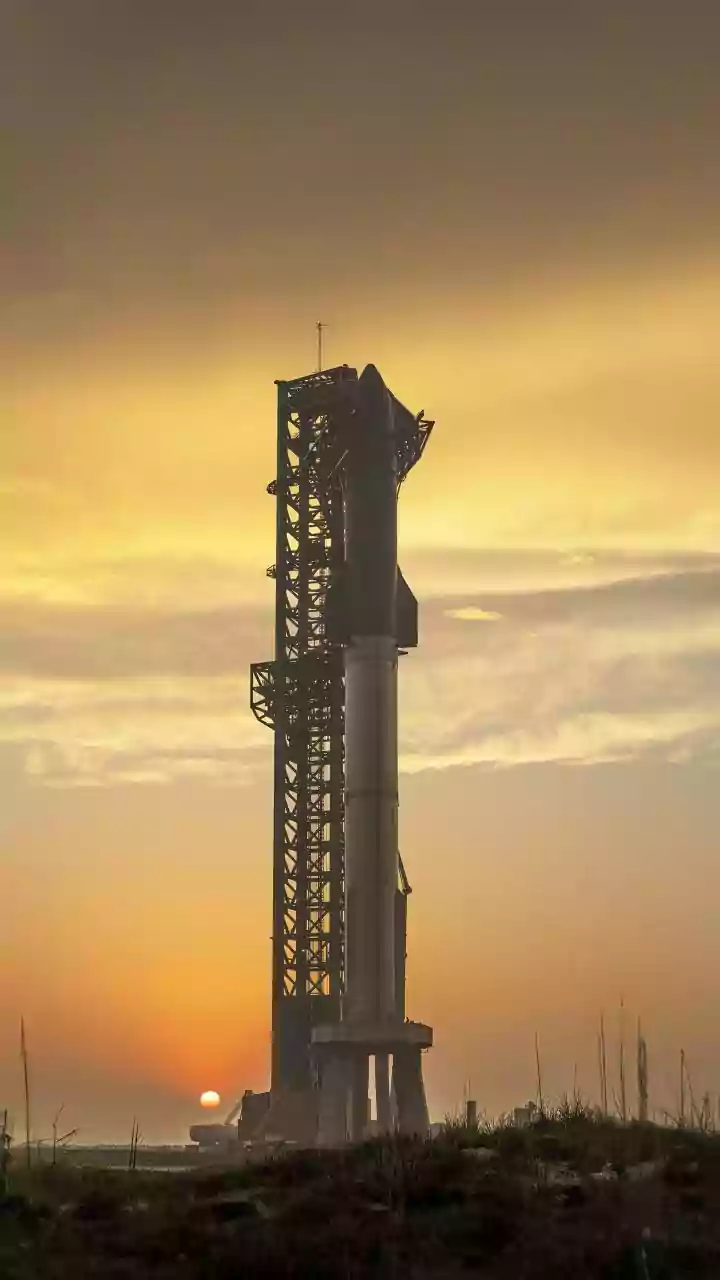
Agnikul's strategy is part of a larger shift in the global space industry towards reusability and efficiency, a revolution led by companies like SpaceX. By pursuing both first-stage recovery and upper-stage repurposing, Agnikul is positioning itself at the forefront of this movement within India. This dual approach aims to drastically reduce launch costs and increase the utility of every single mission. Ravichandran believes that future space missions must be defined by economic viability and adaptability, moving beyond the one-off goals of the past. With plans to eventually scale up to nearly one launch per week, Agnikul is not just building a rocket; it is building a flexible and repeatable system for accessing and utilizing space.