




The First Rule: Always Check the Soil
Before you even think about watering, get your hands dirty. The most common mistake in balcony gardening is watering on a strict calendar, which often leads to overwatering and root rot. The most reliable method is the finger test. Poke your finger about one
to two inches into the soil. If it feels dry, it's time to water. If it's still cool and damp, wait another day or two and check again. Over time, this simple habit will help you understand the rhythm of your plants' needs far better than any app or schedule. For larger pots, a wooden stick or skewer can be pushed deeper into the soil to check moisture levels further down.
Sunlight: The Ultimate Thirst Driver
The amount of sun your balcony receives is a primary factor in how quickly your pots dry out. Plants in direct, intense sunlight—especially on a south-facing balcony in India—will need much more frequent watering. The heat from the sun not only increases a plant's rate of transpiration (losing water through its leaves) but also warms the pot and soil, causing faster evaporation. A plant in a hot, sunny spot might need water daily in summer, while the same plant on a shaded, north-facing balcony might only need water every few days. As the seasons change, so will the sun's path, so be prepared to adjust your routine. Watering in the morning is generally best, as it allows the plant to absorb moisture before the day's heat and reduces the risk of fungal diseases that can develop on leaves left wet overnight.
Humidity and Wind: The Invisible Influences
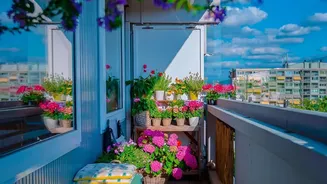
Humidity plays a crucial, though often invisible, role. During India's monsoon season, the air is heavy with moisture. This high humidity slows down evaporation from both the soil and the plant's leaves, meaning you'll need to water far less often. Conversely, hot, dry winds can strip moisture from soil and leaves with surprising speed, requiring you to water more frequently. Balconies, especially on higher floors, can be very windy, which significantly accelerates how fast pots dry out. Understanding your local microclimate—whether it’s the dry heat of May or the humid air of July—is essential to providing the right amount of water.
Pot Size and Material: The Container's Role
Not all pots are created equal when it comes to holding water. The size of the pot is critical; smaller pots hold less soil and therefore less water, causing them to dry out very quickly, sometimes even in less than a day during peak summer. Larger pots have a greater soil volume, providing a bigger reservoir of moisture that lasts longer. The pot's material also has a significant impact. Porous materials like classic terracotta or unglazed clay breathe, wicking moisture from the soil and allowing it to evaporate through the pot's walls. This is great for preventing root rot but means you'll have to water more often. Plastic, glazed ceramic, or metal pots are non-porous and retain moisture for much longer. Choosing the right pot material can be a strategic move to balance your plant's needs with your watering habits.
Watering Deeply, Not Lightly
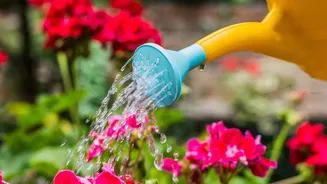
When you do water, do it thoroughly. A common pitfall is giving plants just a small splash of water. This light watering only moistens the top layer of soil, encouraging a shallow root system that is more vulnerable to drying out. Instead, water slowly and deeply until you see water running out of the drainage holes at the bottom of the pot. This ensures that the entire root ball is hydrated. After a thorough watering, allow the pot to drain completely and empty any excess water from the saucer. Letting a plant sit in a saucer full of water is a common cause of root rot. The goal is moist soil, not a swamp.