







Understanding the Price Pinch
According to the latest figures released for June 2026, India's retail food inflation rose to 5.32%. This is a significant jump and is a primary driver of the overall inflation rate, which climbed to an 18-month high. Food and beverages make up the largest
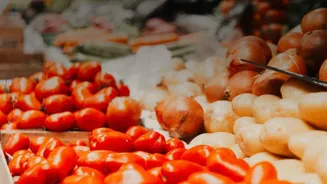
portion of the consumer price index, so when these prices rise, everyone feels it. The main culprits behind this recent surge are everyday essentials. Prices for vegetables, pulses, cereals, spices, and dairy products have seen sharp increases. Specifically, items like tomatoes and ginger have experienced dramatic price hikes. This trend is attributed to a mix of factors, including supply chain disruptions, erratic weather patterns affecting crops, and rising fuel costs which impact transportation. The data also shows that inflation is hitting rural households even harder, with rural food inflation standing at 5.45% compared to 5.09% in urban areas.
Why a Rigid Meal Plan Can Cost You More
In normal times, planning your meals for the week is a great way to stay organized and budget effectively. However, during periods of high and volatile food inflation, a rigid meal plan can backfire. If your weekly menu is set in stone—for example, deciding you must cook palak paneer on Tuesday and tomato rasam on Friday—you are at the mercy of the market. If tomato prices have skyrocketed that week, your rasam becomes a luxury. This is where the concept of flexible home-cooking comes in as a powerful tool for managing your expenses without sacrificing nutrition or taste.
Embrace the Art of the Swap
Flexible cooking means adapting your meals based on what is fresh, seasonal, and, most importantly, affordable. Instead of being tied to a specific ingredient, focus on the flavour profile or texture you want to achieve. Are tomatoes too expensive? Use tamarind, kokum, or even a dash of yogurt to get that tangy flavour in your sambar or curry. Is a particular vegetable like cauliflower out of your budget this week? Swap it for cabbage, bottle gourd (lauki), or pumpkin, which might be more reasonably priced. The same logic applies to leafy greens; if spinach is costly, look for other local greens that are in season. This approach not only saves money but also introduces variety into your diet and encourages culinary creativity.
Shop Smarter, Not Just Harder
A flexible cooking plan starts with flexible shopping. Always begin by surveying what’s on sale or in season. Local mandis and weekly markets often have fresher produce at lower prices than supermarkets, which have higher overheads. Buying seasonal produce is a golden rule; it’s cheaper, tastes better, and is more nutritious. Don't be afraid to alter your meal plan on the spot if you find a great deal. Additionally, consider store brands for staples like flour, sugar, salt, and even some pulses. They often offer the same quality as name brands for a lower price. For non-perishable items like rice and dals, buying in bulk can lead to significant savings, but only if you have adequate storage and are sure you will use them before they expire.
Rethink Your Staples
Even staples like dals and grains are subject to price fluctuations. Tur dal, for instance, can be volatile due to weather affecting crops. A flexible approach involves rotating through different types of pulses. If tur dal is expensive, consider using moong, masoor, or chana dal for a few weeks. Similarly, incorporating millets like jowar, bajra, or ragi into your diet can be a cost-effective and highly nutritious alternative to relying solely on rice and wheat for every meal. Taking stock of what you already have in your pantry before you shop is another simple yet effective habit. Building a meal around a forgotten packet of dal or the last bit of rice prevents waste and saves money.