




Beyond the Backwaters
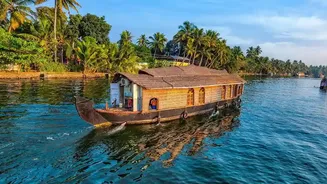
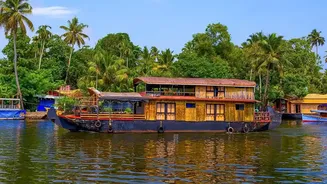
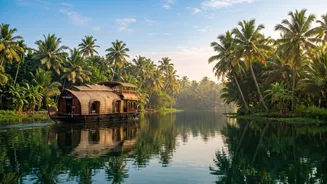
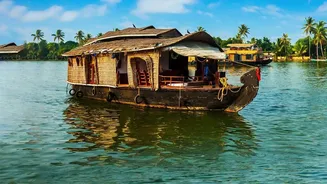
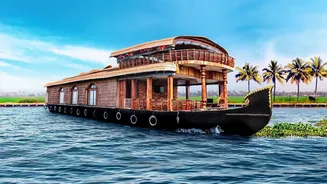
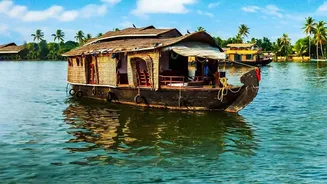
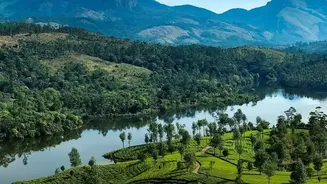
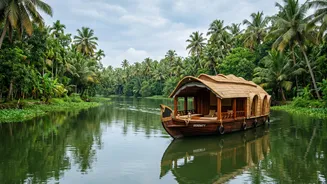
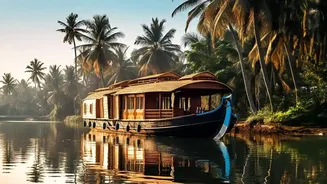
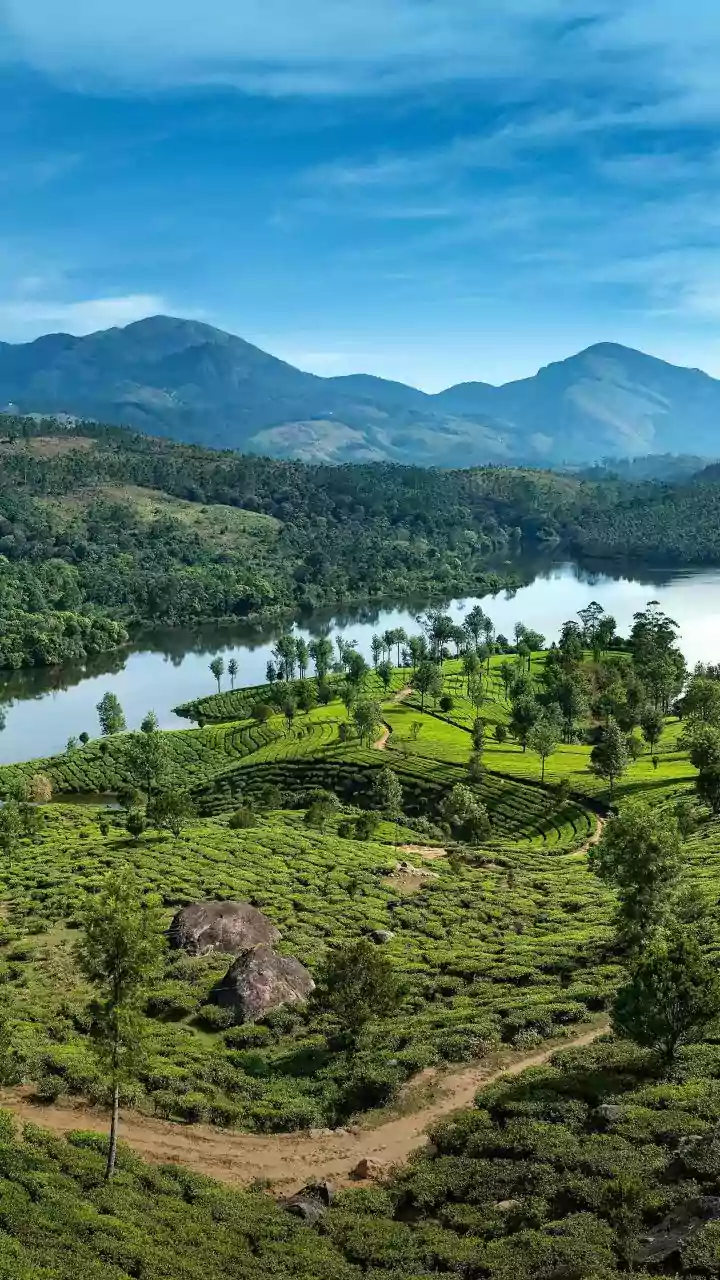
For decades, Kerala has been marketed as 'God's Own Country', a paradise of serene backwaters, lush hills, and tranquil beaches. While this picture is accurate, it only tells half the story. The other, more crucial part is how the state decided to manage
this natural gift. By the early 2000s, it became clear that simply attracting more tourists wasn't enough. Unchecked growth led to conflicts over resources and concerns that local communities were being left behind as big resorts prospered. In response, Kerala didn't just aim for more tourism; it aimed for better tourism.
A Village Sparks a Revolution
The turning point came in 2007 with a pilot project in Kumarakom, a quiet backwater village. This became the birthplace of Kerala’s Responsible Tourism (RT) initiative. The idea was simple but radical: tourism should directly benefit the people who call the destination home. Before this, a top-down approach often ignored the voices of villagers. The Kumarakom project flipped the script, creating a committee with representatives from local government, the tourism industry, and the community itself. This ensured that development wasn't something that happened to them, but something they helped shape. It was a move away from passive participation towards active contribution.
The Three Pillars of Responsibility
Kerala's model is built on what's known as the 'triple bottom line': economic, social, and environmental responsibility. This goes far beyond just asking tourists to reuse their towels. Economic responsibility means ensuring that tourist money stays within the local economy. Hotels and resorts are encouraged to buy produce from local farmers, hire staff from the area, and sell handicrafts made by local artisans. Social responsibility focuses on preserving the culture and heritage of the communities. Instead of commercializing traditions, the model promotes authentic experiences where travelers can respectfully interact with locals and learn about their way of life. Environmental responsibility involves protecting the fragile ecosystems that attract visitors in the first place, through initiatives like waste management and mangrove restoration.
A Lifeline for Local Communities
The impact of this approach has been profound. Formally launched as the Responsible Tourism Mission in 2017, the initiative aims to make tourism a tool for poverty eradication and women's empowerment. By creating jobs in villages, it provides alternative income streams and reduces the economic pressure that might lead to environmental damage. Women, in particular, have been empowered through the promotion of homestays, catering units, and artisan groups. This model doesn't just create jobs; it fosters a sense of pride and ownership among residents, turning them into the proudest ambassadors of their own culture. The mission provides training and creates networks that connect local producers directly with the tourism sector, ensuring the benefits are spread widely.
More Relevant Than Ever
In a post-pandemic world where travelers increasingly seek authentic and meaningful connections, Kerala’s model has become a global benchmark. It offers a blueprint for how to combat overtourism and its negative consequences. As travelers become more conscious of their environmental footprint and social impact, the demand for destinations that offer genuine cultural immersion is growing. Kerala’s framework shows that tourism can be a force for good, supporting livelihoods, preserving culture, and protecting the environment simultaneously. While challenges like resource strain and environmental degradation in popular spots remain, the foundational principles of its RT Mission provide a resilient path forward. The state has won numerous international awards for its efforts, proving that responsibility and world-class hospitality can go hand in hand.