






A Global Stage in the Capital
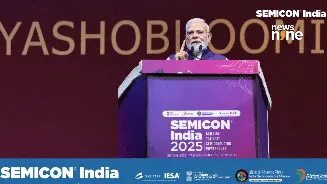
The upcoming event, officially the fifth edition of SEMICON India, is scheduled to run from September 17-19 at Yashobhoomi in Dwarka, New Delhi. This showcase is a critical convergence point for the global semiconductor ecosystem, bringing together industry
leaders, government officials, investors, and academics. The scale is immense, with expectations of over 500 exhibitors, including nearly 300 international companies from more than 40 countries. The event, which Prime Minister Narendra Modi is slated to inaugurate, is jointly organised by the India Semiconductor Mission (ISM) and SEMI, the global industry association. Its presence underscores a major push to establish India as a vital and trusted hub for semiconductor design, manufacturing, and innovation.
The Bigger Picture: India's Chip Dream
This showcase is a physical manifestation of India's ambitious national strategy. The theme, "Silicon to Systems: Building the Ecosystem," points to a holistic approach. It's about developing the entire value chain, from raw materials and chip design to advanced manufacturing and packaging. This ambition is driven by the India Semiconductor Mission (ISM), a government program designed to build a resilient and self-reliant tech sector. With the global demand for semiconductors projected to soar, and India's own requirement expected to cross US$ 100 billion soon, creating a domestic industry is a matter of economic and strategic priority. The event serves as a platform to accelerate this mission, moving from planning to large-scale execution.
From Policy to Production
The timing of the event is significant. It comes as projects approved under the first phase of the semiconductor program are moving toward commercial production. Reports suggest several of these facilities could be operational by the end of 2026, lending tangible credibility to India's claims as a serious player. The government is already looking ahead, with a second phase of the mission, dubbed ISM 2.0, approved to further boost the ecosystem. The showcase at Yashobhoomi will feature dedicated pavilions for states and countries, including major electronics players like Japan, South Korea, and Germany, highlighting the global collaboration fuelling India's growth. For attendees, it's a chance to see firsthand how policy is translating into factory floors and innovation hubs.
What's on the Agenda?
The three-day program is packed with sessions covering every facet of the industry. Discussions will revolve around manufacturing technology, AI's role in digital transformation, supply chain logistics, and the development of crucial materials and chemicals. A significant focus will be on building a skilled workforce, with a dedicated area for talent development initiatives. One of the key features will be a 'Sand to Silicon to Systems' value chain experience, designed to illustrate India's growing capabilities across the entire semiconductor journey. Beyond the corporate giants, the event will also platform over 100 startups, supported by initiatives like the Design Linked Incentive (DLI) scheme, which fosters local innovation in chip design.
Challenges and Opportunities Ahead
While the momentum is undeniable, the road to becoming a semiconductor powerhouse is complex. Building fabrication plants (fabs) requires immense capital, pristine infrastructure, and an uninterrupted supply of resources like power and water. Furthermore, bridging the talent gap to staff these advanced facilities remains a key challenge the industry is actively addressing. However, the Yashobhoomi showcase is designed to tackle these issues head-on by fostering collaboration and attracting investment. It's a forum for solving problems, not just celebrating successes. The strong interest from global firms demonstrates a shared confidence that India can overcome these hurdles and become a reliable, competitive partner in the global supply chain.