



Welcome to the Land of Giants
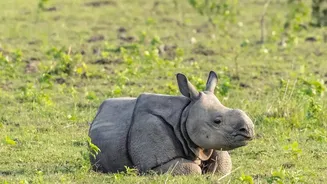
The heart of Assam's rhino country is Kaziranga National Park, a UNESCO World Heritage Site that hosts nearly two-thirds of the world's entire population of one-horned rhinos. This sprawling expanse of grasslands, wetlands, and forests along the Brahmaputra
River is a conservation success story. From just a handful of rhinos in the early 20th century, the population here has rebounded to over 2,600, a testament to decades of dedicated protection. A visit here isn't just about spotting an animal; it's about stepping into one of the last truly wild places in northeastern India and witnessing a species brought back from the brink. The park's success has made it a global model for wildlife conservation.
The Star of the Show: The One-Horned Rhino
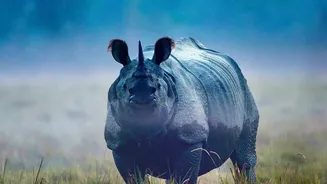
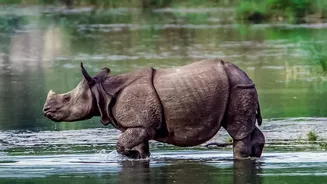
The Indian rhinoceros is an awe-inspiring creature. Weighing over 2,000 kilograms, these herbivores are known for their single black horn and a thick, brownish-grey hide that folds to resemble plates of armour. Despite their bulk, they can run at speeds up to 55 km/h for short bursts and are excellent swimmers. They have poor eyesight but compensate with a keen sense of hearing and smell. Seeing them in their natural habitat, often partially submerged in a water body or grazing among tall elephant grass, is an unforgettable sight. The conservation efforts in Kaziranga have been so successful that the species' status was upgraded from 'Endangered' to 'Vulnerable'.
Planning Your Safari Adventure
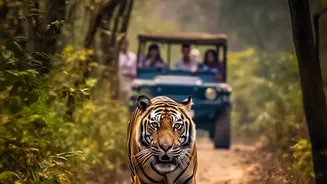
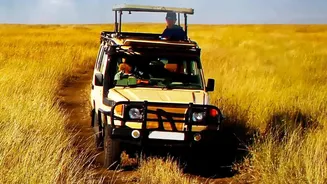
To explore Kaziranga, you have two main options: a jeep safari or an elephant safari, each offering a unique perspective. The elephant safari, typically held in the early morning, takes you off the beaten path and deep into the tall grasslands, allowing for incredibly close encounters with rhinos. The Western (Bagori) and Central (Kohora) ranges are most popular for these rides. The jeep safari covers more ground, giving you a broader tour of the park's different zones, including the Eastern (Agoratoli) range, which is a haven for birdwatchers. Jeeps can explore all four of the park's main tourist zones: Kohora, Bagori, Agoratoli, and Burapahar. Many visitors choose to do both to get the full Kaziranga experience.
The Best Time for Your Visit
Timing is everything when planning a trip to Kaziranga. The park is open to visitors from November to April. It remains closed from May to October due to the heavy monsoons, which cause the Brahmaputra River to flood large areas of the park. The winter months, from November to February, are generally considered the best time to visit, with pleasant and dry weather perfect for safaris and birdwatching. If your main goal is wildlife sightings, consider March and April. As water sources begin to dry up, animals congregate more frequently around the remaining water bodies, making them easier to spot.
Beyond the Rhino: Kaziranga's Other Treasures
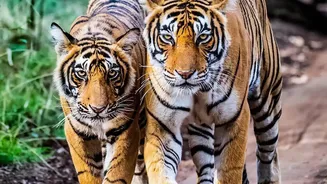
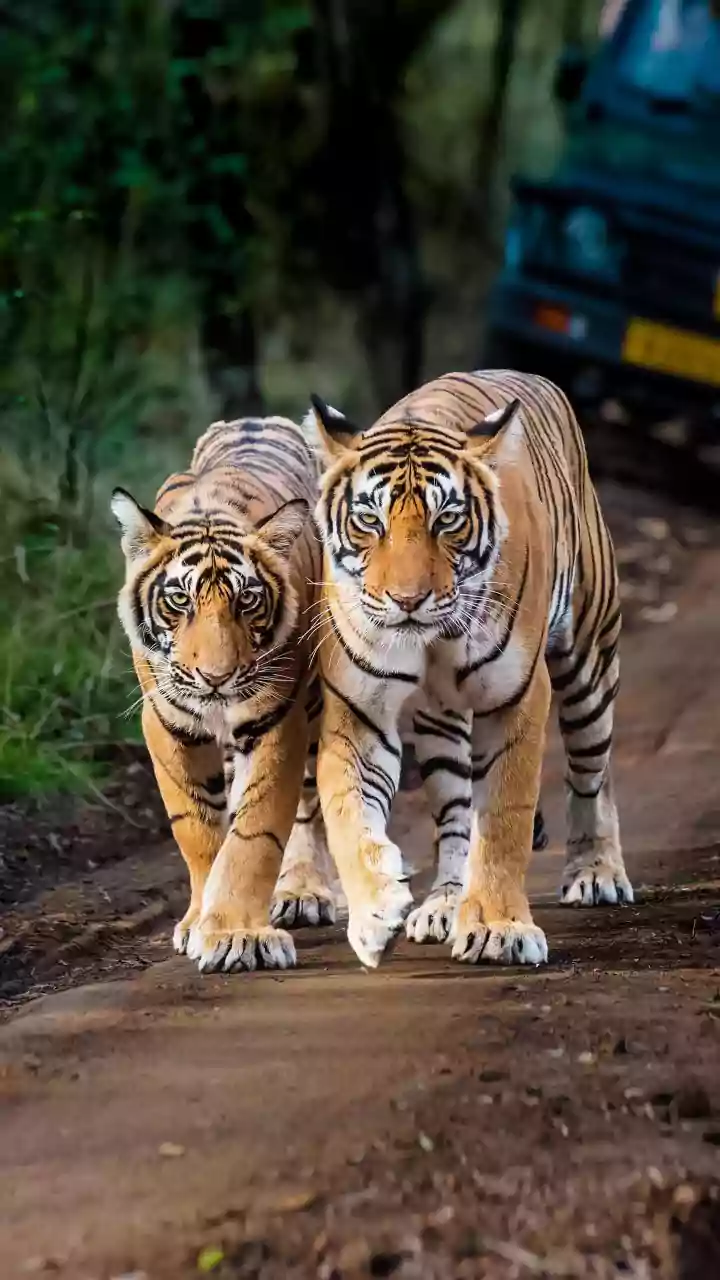
While the rhino is the main draw, Kaziranga is home to an incredible diversity of wildlife. It has the distinction of being a tiger reserve with one of the highest tiger densities in the world. The park is also crucial for the survival of large populations of Asiatic wild water buffalo, eastern swamp deer, and Asian elephants. Together with the rhino and tiger, these form Kaziranga's 'Big Five'. Beyond these giants, you might spot hoolock gibbons (India's only ape), sloth bears, leopards, and a staggering variety of over 450 species of birds, making it an Important Bird Area.
Getting There and Where to Stay
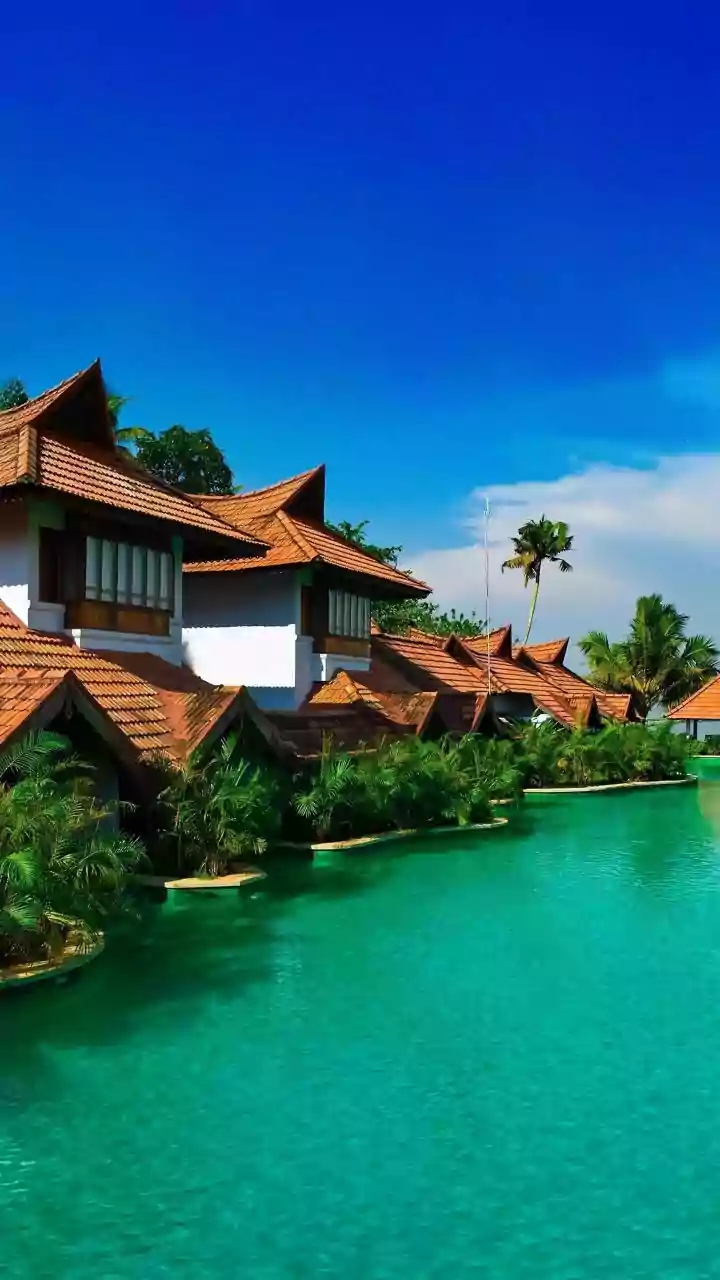
Reaching Kaziranga is straightforward. The nearest airport is in Jorhat (Rowriah Airport), about 97 kilometres away, while the larger Guwahati International Airport is about 217 kilometres away. From either airport, you can hire a taxi or take a bus for the remaining journey. The closest railway station is Furkating, 75-80 kilometres from the park entrance. Most accommodation is clustered around the main park entrance at Kohora, on National Highway 37. You will find a wide range of options, from budget-friendly guesthouses to comfortable wildlife resorts that can help arrange your safaris and permits.