




Our Plastic Predicament
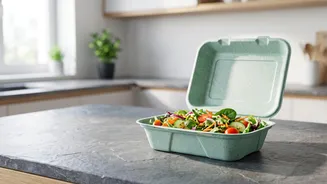
Every year, the world produces an estimated 50 million tonnes of polyethylene terephthalate (PET), the lightweight plastic used in everything from beverage bottles to food packaging. Despite widespread recycling efforts, the vast majority of this plastic is not
effectively repurposed. Traditional recycling often turns clear bottles into opaque fibres for carpets or clothing, a process that still results in a significant loss of material value and doesn't prevent plastic from eventually ending up in landfills or oceans. This has driven scientists to explore a more ambitious idea: not just recycling plastic, but upcycling it into something more valuable.
Breaking It Down
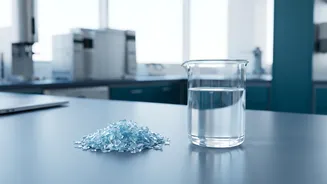
The innovative process begins with the first crucial step: deconstruction. Researchers have developed methods using specialised, mutant enzymes to break down the PET polymer. This initial stage essentially reverses the manufacturing process, separating the plastic into its fundamental chemical building blocks. The primary component recovered from this process is terephthalic acid (TA), a stable molecule that serves as the raw material for the next, more transformative stage. Think of it as disassembling a complex structure into its individual bricks, preparing them to be used in a completely new building.
Enter the Engineered Bacteria
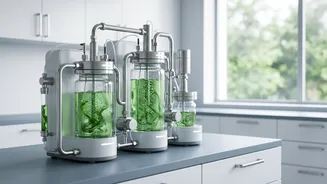
This is where biology takes over. Scientists at the University of Edinburgh, led by Dr. Joanna Sadler and Dr. Stephen Wallace, have pioneered the use of genetically engineered bacteria to convert this plastic-derived terephthalic acid into useful chemicals. By modifying the common bacterium E. coli, they created a microbial powerhouse capable of ingesting the TA and, through a series of metabolic reactions, transforming it. The process involves warming a microbial broth containing the engineered E. coli and the TA to a moderate 37°C, similar to brewing beer. The bacteria then go to work, effectively 'eating' the plastic components and biochemically converting them.
A Sweet and Surprising Result
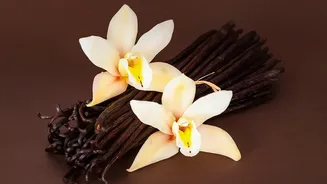
The result of this bacterial conversion is surprisingly sweet: vanillin, the compound responsible for the distinct flavour and aroma of vanilla. In early experiments, researchers successfully converted 79% of the terephthalic acid into vanillin within a single day. This is significant because the global demand for vanillin, widely used in the food, cosmetics, and pharmaceutical industries, far outstrips the supply from natural vanilla beans. Currently, about 85% of the world's vanillin is synthesised from chemicals derived from fossil fuels. This new method presents a circular economy model: turning polluting plastic waste into a high-demand, high-value chemical.
From Flavouring to Future Foods
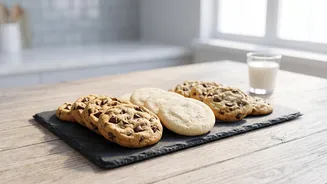
The successful conversion to vanillin has opened the door to even broader applications. Other research teams are now exploring ways to turn plastic-derived molecules into different valuable products, including adipic acid, a key component for making nylon, drugs, and fragrances. More ambitious projects are even developing methods to turn plastic waste into edible proteins. By breaking plastic down into its base carbon components, scientists can feed this 'slurry' to specialised yeast, which then produces proteins, fats, and other nutrients. While a cookie made from plastic waste has been demonstrated as a proof-of-concept, researchers stress that extensive safety testing is required before any such products reach consumers.