






The Blind Dolphin of the Ganges
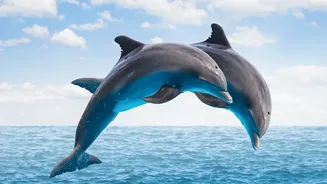
The Gangetic river dolphin, locally known as 'Susu', is a creature of immense ecological and cultural importance. Unlike its marine cousins, it is effectively blind and navigates the river’s murky depths using sophisticated echolocation, emitting clicks
and listening for the echoes to find fish and map its surroundings. This unique adaptation makes it a true specialist of the riverine environment. However, its survival is under severe threat. The dolphin is an indicator of a healthy river ecosystem; its declining numbers signal a river in distress. Factors like dam construction, which fragments their habitat and isolates populations, rampant water pollution, and accidental entanglement in fishing nets have pushed the species onto the endangered list, with only a few thousand individuals remaining in the wild.
A Sanctuary of Hope in Bihar
Amidst the challenges, a beacon of hope emerged in 1991 in Bihar's Bhagalpur district: the Vikramshila Gangetic Dolphin Sanctuary (VGDS). This is India's only protected area specifically for the Gangetic dolphin, stretching over a 60-kilometre section of the Ganges from Sultanganj to Kahalgaon. The sanctuary was established to provide a safe haven where these dolphins could thrive. It's a critical stronghold for one of the last significant populations of the species. Besides dolphins, this protected stretch of the river also provides a habitat for other threatened aquatic wildlife, including several species of freshwater turtles, the Indian smooth-coated otter, and a rich diversity of birdlife, making it a hotspot of biodiversity.
When Tourism Drives Conservation
Recognizing the sanctuary's potential, Bihar is now actively promoting it as an ecotourism destination. This isn't about building large, disruptive resorts, but fostering a model where tourism directly supports conservation. The experience is intimate and community-led. Visitors take guided boat trips, often operated by local fishermen who have a deep, generational knowledge of the river and the dolphins' behaviour. These trips provide an alternative, sustainable livelihood for communities that might otherwise be dependent on fishing practices that can harm dolphins. The revenue generated from tourism helps fund patrol boats, research, and awareness campaigns, creating a virtuous cycle where every visitor contributes to the protection of the species and its habitat.
What to Expect on Your Visit
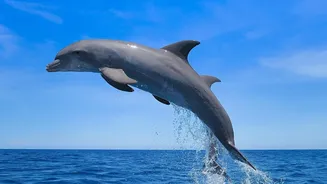
A trip to Vikramshila is a lesson in patience and observation. There are no fixed safari timings or noisy tourist vessels. The experience involves heading out on a simple wooden boat, usually in the calm of the early morning or late afternoon, and waiting for the dolphins to surface. The best sightings are typically between October and June, when the water levels are stable. The reward is a fleeting, magical glimpse of a sleek grey body arching out of the water. But the journey is as much about the destination. The river itself is a spectacle of life, with kingfishers diving for fish and river terns gliding overhead. This quiet, respectful form of tourism allows visitors to connect with nature without overwhelming it.
Beyond the River: A Journey into History
The region's appeal extends beyond the riverbanks. The sanctuary is named after the ancient Vikramshila University, the ruins of which are located nearby. Founded in the 8th century by the Pala king Dharmapala, it was one of the most important centres of Buddhist learning in ancient India, rivalling even Nalanda. Today, visitors can explore the excavated remains, including a massive central stupa and rows of monastic cells, offering a profound glimpse into India's rich scholastic past. This blend of natural wonder and deep history makes a trip to Bhagalpur a uniquely rewarding experience, connecting travellers to both the ecological and cultural heritage of Bihar.