






The Unseen Heroes of Your Garden
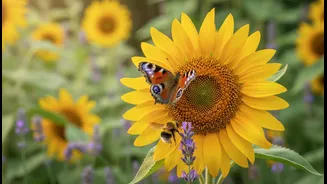
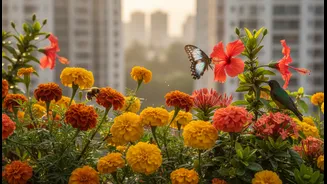
Bees, butterflies, and other pollinators are more than just beautiful visitors; they are essential workers in our food systems. In India, over half of all cultivated plants rely on them to produce fruits, seeds, and nuts. Crops like apples, onions, and mustard
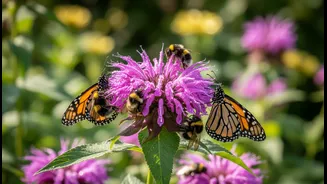
see significant yield increases thanks to pollination. This service is vital not only for large-scale agriculture but also for the productivity of your own vegetable patch and the health of the wider ecosystem. When these insects travel from flower to flower sipping nectar, they transfer pollen, which fertilises the plants. Without them, many of the fruits and vegetables we rely on would fail to develop.
How Pesticides Harm Pollinators
Pesticides, including insecticides, fungicides, and herbicides, are designed to eliminate problems, but they often cause unintended harm. Pollinators can be affected in several ways. Direct contact with a spray can kill a bee or butterfly instantly. A more insidious danger occurs when a pollinator lands on a treated leaf or flower, picking up pesticide residue on its body and carrying it back to its hive or nest. This can contaminate the entire colony, leading to widespread death or weakened health. Even at low levels, some pesticides can cause sublethal effects, impairing a bee's ability to navigate, reproduce, or fight off diseases. Systemic pesticides are particularly concerning because they are absorbed by the plant and expressed in the nectar and pollen, turning the flower's sweet reward into a toxic meal.
The Golden Rule: Timing is Everything
The single most effective way to protect pollinators is to be mindful of when you spray. Most bees and butterflies are active during the day, especially when it's warm and sunny. They typically return to their hives and nests as the sun sets. Therefore, the safest time to apply any treatment—even organic ones like neem oil—is in the late evening or very early morning. This gives the spray time to dry before the pollinators begin their rounds the next day, significantly reducing the risk of direct contact. It’s also better for your plants, as spraying in the heat of the day can cause leaves to burn. You should also avoid spraying on windy days to prevent the chemicals from drifting onto neighbouring plants or water sources where pollinators might drink.
Smarter, Safer Pest Control
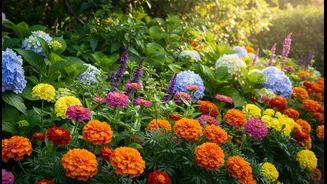
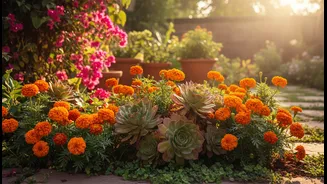
Before reaching for a spray, consider an approach called Integrated Pest Management (IPM), which focuses on prevention and using chemicals as a last resort. This can start with choosing pest-resistant plant varieties and ensuring your soil is healthy, as strong plants are better at fending for themselves. Manually removing pests by hand or with a jet of water can be very effective for small infestations. You can also introduce physical barriers like row covers to protect young vegetables. Another strategy is companion planting, where certain plants are grown together to deter pests. For example, planting basil near tomatoes can help repel tomato hornworms, and marigolds are known to discourage many common pests.
Choosing Pollinator-Friendly Alternatives
If spraying becomes necessary, opt for the least toxic options. Insecticidal soaps and horticultural oils work by smothering soft-bodied insects on contact and have little to no residual effect once dry, making them safer for pollinators if applied in the evening. Neem oil is another popular organic choice, but it should also be used with care and applied only when pollinators are inactive. You can also encourage natural predators in your garden. By planting a diversity of flowers, you can attract beneficial insects like ladybugs, lacewings, and hoverflies, which are voracious predators of common pests like aphids. A garden that supports a healthy population of these 'good bugs' often requires far less human intervention.