






What's in the Air We Breathe?
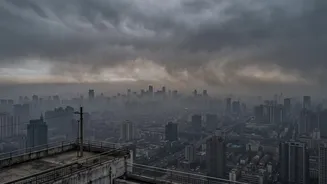
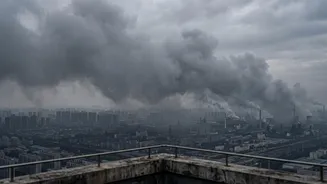
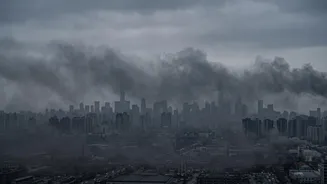
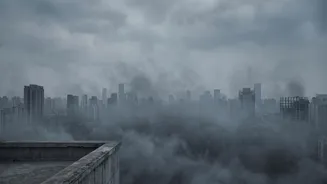
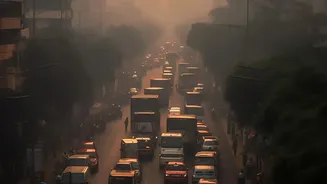
The smog blanketing the city is a toxic cocktail of pollutants. The most dangerous are fine particulate matter known as PM2.5 and PM10. These microscopic particles, originating from sources like vehicle exhaust, industrial emissions, and construction
dust, are small enough to penetrate deep into the lungs and even enter the bloodstream. This mix also contains harmful gases such as nitrogen dioxide (NO2), sulphur dioxide (SO2), and ground-level ozone, which further irritate the respiratory system. Exposure to this polluted air can feel like the body is working overtime just to breathe.
Why Your Lungs Are at Increased Risk
For individuals with pre-existing airway conditions like asthma, chronic obstructive pulmonary disease (COPD), or bronchitis, this seasonal smog is not just an inconvenience; it's a direct threat. These pollutants act as irritants, causing inflammation and constriction of the airways. This can trigger frequent and severe asthma attacks, persistent coughing, wheezing, and a feeling of chest tightness. Continuous exposure damages the body's natural defense mechanisms, making lungs more susceptible to infection and reducing overall lung capacity.
Know the Warning Signs
It's crucial to recognise the early symptoms of a pollution-triggered flare-up. Pay close attention to a persistent dry or productive cough, increased shortness of breath even during light activities, and any mild wheezing. Other signs include fatigue, headaches, sore throat, and eye irritation. For those with asthma or COPD, an increased need for a rescue inhaler is a clear danger signal. If symptoms like severe breathlessness at rest, bluish lips, or coughing up blood occur, it is a medical emergency.
Your Action Plan: Protecting Yourself Indoors
Since indoor air can also be hazardous, creating a clean-air zone at home is vital. The most effective tool is a certified air purifier with a HEPA filter, which can trap harmful PM2.5 particles. Keep windows and doors closed, especially during peak pollution hours in the morning and evening. Regularly clean air conditioner filters and ensure your home is free of dust and mould. While some indoor plants like snake plants and spider plants may help slightly, they are not a substitute for a good purifier.
Your Action Plan: Navigating the Outdoors
The first rule is to monitor the Air Quality Index (AQI) daily. On days when the AQI is 'Poor' or 'Severe', avoid or limit outdoor activities, especially strenuous exercise. If you must go out, wear a well-fitting N95 or N99 mask; simple surgical or cloth masks do not provide adequate protection against fine particulate matter. Try to stay hydrated by drinking plenty of water, which helps your body's natural systems flush out toxins. A diet rich in antioxidants, like amla and oranges, and omega-3 fatty acids can also help reduce inflammation.
When to Consult a Doctor
Managing a chronic respiratory condition during smog season requires a proactive approach. Keep your prescribed medications, including inhalers, readily available and follow your asthma action plan. Do not self-adjust medication dosages without consulting your doctor. If you experience a persistent cough for more than three weeks, worsening breathlessness despite using medication, or frequent chest tightness, it is essential to seek medical advice promptly. Recognising these signs early can prevent a minor issue from becoming a severe health crisis.